CAB3 and the road ahead: Mnangagwa’s signature reshapes Zimbabwe’s political future
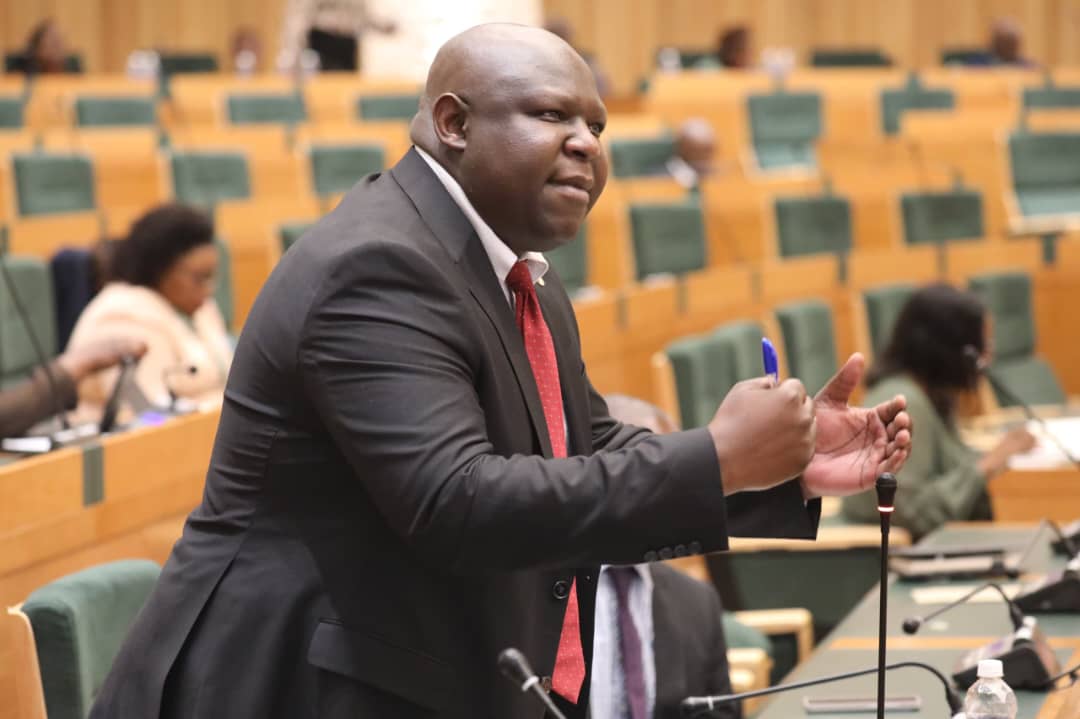
Corban Madzivanyika, MP for Mbizo Constituency
A constitutional overhaul extends presidential and parliamentary terms to seven years and delays elections to 2030
By Norman Mwale
“This is not constitutionalism, this is constitutional manipulation. CAB3 is an ugly bill meant to kill democracy.” — Corban Madzivanyika, MP for Mbizo Constituency
President Emmerson Mnangagwa’s assent to the Constitution of Zimbabwe Amendment (No. 3) Bill has closed one chapter in Zimbabwean politics and opened another, far more contested one. The law, gazetted this week after passing through Parliament by 226 votes to 41, extends the presidential term from five years to seven, replaces the direct popular vote for president with election by Parliament, and postpones the next general elections for the presidency, Parliament and local authorities to 2030.
Government officials have framed the amendments as necessary for policy continuity and stability. Justice, Legal and Parliamentary Affairs Minister Ziyambi Ziyambi told Parliament the Bill was “progressive legislation” designed to align the constitution with the country’s developmental agenda. For ZANU-PF legislators, the argument has been consistent: that frequent electoral cycles distract from long-term planning, and that a seven-year term will allow the administration to complete projects without interruption. Within party structures, the mood has been one of consolidation, with leaders arguing the changes offer certainty at a time when the economy is undergoing structural reform.
That view is not shared across the political spectrum. Opposition parties and civic organisations have described the President’s signature as a retreat from democratic principle. Citizens Coalition for Change spokesperson Promise Mkwananzi said ZANU-PF was “afraid of the ballot” and was “hiding behind constitutional amendments” instead of facing voters. CCC leader Nelson Chamisa called the move “a national error” that “will be corrected by citizens.” From the benches of Parliament, Madzivanyika has been among the Bill’s earliest and most consistent critics, warning throughout the process that it represented “constitutional manipulation” rather than reform, and that it stripped a fundamental right from voters. “They are taking away your right to choose your president,” he has said. “We are moving from one-man rule to one-party rule.”
Civil society has echoed those concerns and pushed further on process. A coalition of rights groups urged Mnangagwa to subject CAB3 to a referendum, invoking his own past pledge that “the voice of the people is the voice of God.” The request was declined. Instead, Parliament was recalled from recess for an extraordinary sitting to finalise Senate amendments, a procedure critics argue curtailed public consultation. Legal analysts have also weighed in. Constitutional lawyer Alex Magaisa argued before assent that “a constitution is not a ZANU-PF party document,” and that amending it for the benefit of one man and one party amounted to a desecration of the supreme law. For many in the legal fraternity, the central issue is not merely the content of the amendments, but the precedent they set for how the constitution can be altered without broad consensus.
Political analysts are divided on what the signature means for Zimbabwe’s trajectory toward 2030. Some see it as a calculated move to give the executive room to implement economic reforms without the pressure of an imminent electoral cycle, pointing to currency instability, power cuts and public sector wage disputes as challenges the government believes continuity will help manage. Others see it differently, arguing that moving presidential selection to Parliament and extending the term concentrates power within party structures and weakens accountability to voters. In that reading, CAB3 is less about governance efficiency and more about political survival.
The implications are already rippling through policy and diplomatic circles. Regional observers note that Zimbabwe’s credibility on democratic governance will be tested as it seeks investment and re-engagement abroad. Domestically, the question is how institutions respond: Parliament now holds a greater role in selecting the head of state, shifting leverage to the majority party, while citizens face a longer wait before they can register approval or disapproval at the ballot box.
What happens next will depend on whether the political space accommodates contestation or narrows further. Government will likely emphasise delivery, arguing that the extended term must be justified by results in service delivery, job creation and currency stability. The opposition and civic groups, meanwhile, are expected to mobilise around demands for a referendum and broader constitutional dialogue.
Mnangagwa’s signature has done more than amend eighteen clauses — it has reset the terms of political competition. Whether that reset is remembered as reform or entrenchment will be decided not only in Parliament, but in how the economy performs and how citizens experience governance between now and 2030. The law is now in force. The test of its legitimacy will play out in the years ahead.
Similar Posts by The Mt Kenya Times:
- When comradeship saves a life
- Not every struggling student is lazy
- Laikipia University: A natural haven for learning
- Why you should not milk a Kenyan buffalo
- Beyond the scars: The grief, fear and hope of living after breast cancer
About the Author