The shadow of the goon: How hired violence erodes Kenya’s democratic promise
 The Mt Kenya Times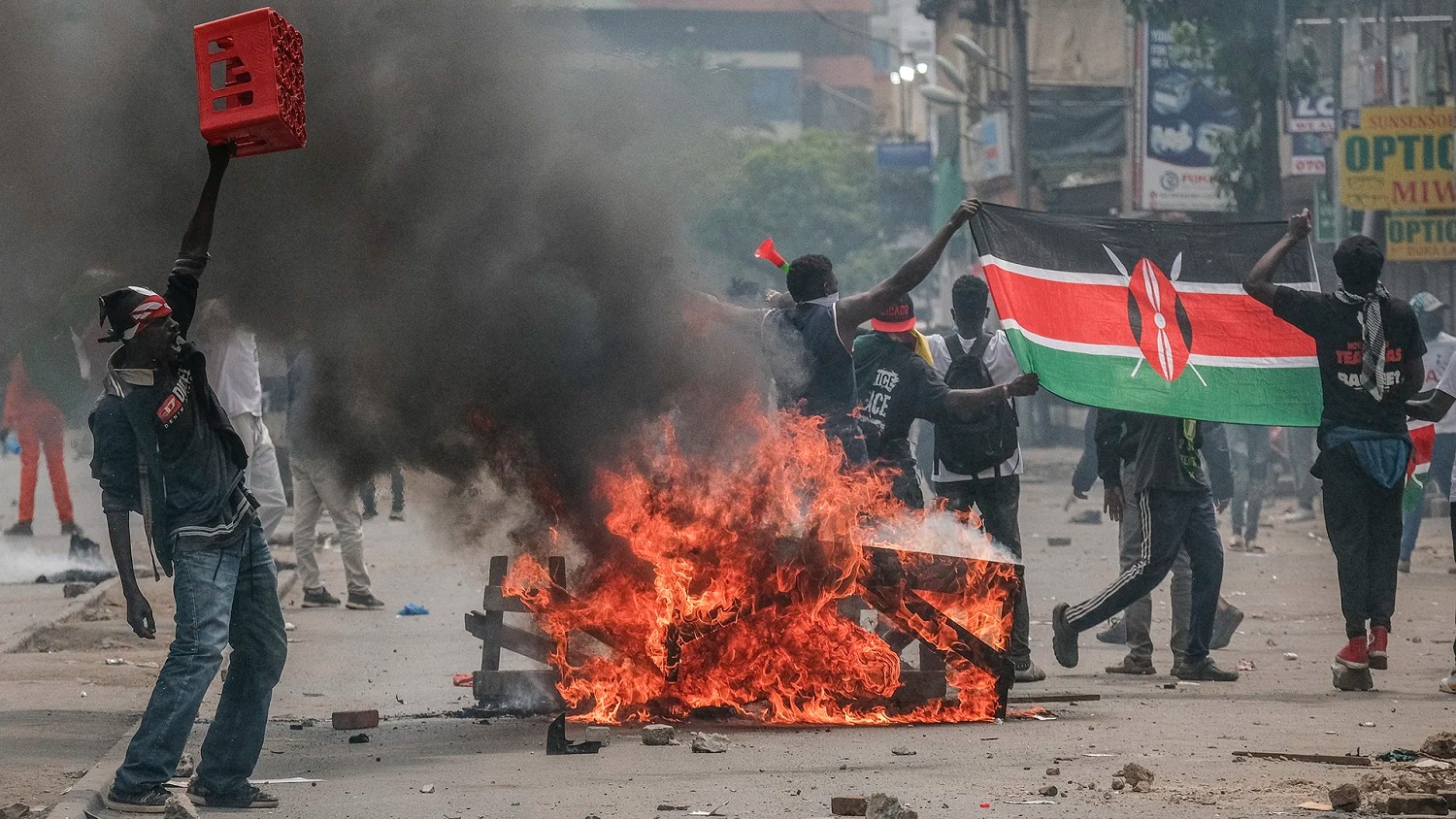
By: Jerameel Kevins Owuor Odhiambo
A grim economy thrives in plain sight within the nation and it is baffling. For as little as 500 Kenyan shillings, unemployed youths can be hired to hurl stones, disrupt rallies, or shout down speakers at public gatherings. Those guarding a politician’s convoy might earn up to 1,500 shillings, while more dangerous tasks intimidating rivals, seizing land, or “disciplining” opponents command 2,000 to 5,000 shillings per operation. Reports from the National Crime Research Centre (NCRC) paint a stark picture: Mombasa leads with 73 active criminal gangs, Nairobi follows with 56, and Kilifi with 47. Over 120 of these groups have documented links to politicians, who recruit them especially during election cycles for security, crowd mobilization, or suppression of dissent.
This is not a new phenomenon. Kenya’s political history is laced with such tactics. From the KANU Youth Wing under Daniel arap Moi, which harassed dissenters, to the infamous “Men in Black” disrupting ODM events in 2014, and echoes of Mungiki and other militias in the deadly 2007-2008 post-election violence that claimed over 1,000 lives and displaced hundreds of thousands, the pattern repeats. Recent incidents attacks on Senator Godfrey Osotsi in Kisumu, disruptions of Rigathi Gachagua’s rallies, stoning of opposition gatherings in Nakuru and Kikuyu underscore how deeply embedded this machinery remains as the 2027 elections loom.
For a nation yearning for genuine progress, these hired enforcers represent a betrayal of the aspirations that fueled independence and the 2010 Constitution. Kenya’s youth, brimming with energy and ideas, deserve opportunities to build, not destroy. Nevertheless, desperation born of unemployment turns them into tools for elites who prioritize power over people. Imagine a young man from Mathare or Kayole, promised quick cash and a sense of belonging, stepping into the fray not out of ideology but survival. The activist in me burns at this waste talent squandered, futures mortgaged to fleeting political battles while ordinary citizens, mothers shielding children during chaotic protests, bear the scars of a system that normalizes fear.
The mechanics are efficient and shadowy. Politicians or their proxies identify local mobilizers respected figures in informal settlements who recruit cells of youths organized like informal armies. Tasks escalate from heckling to vandalism and physical assaults. Confessions from reformed participants reveal a tiered payment system tied to the hirer’s status: MCAs pay least, governors and business interests more. Impunity seals the deal; arrests are rare, and interventions by powerful patrons embolden the gangs. The NCRC warns that leaders directly or indirectly enabling these networks must be held accountable, yet the cycle persists.
This violence threatens more than immediate victims. Peaceful gatherings, rallies, protests, even church services become battlegrounds. Property is vandalized, businesses torched, and public discourse poisoned by intimidation. National cohesion frays as communities retreat into ethnic or factional silos, echoing the land-driven mobilizations of past clashes. Democracy requires debate, not disruption; it demands citizens exercise rights without terror. When goons infiltrate demos to manufacture chaos or stone convoys, they erode trust in institutions. Police sometimes stand by, or worse, allegations swirl of coordination, further blurring lines between state authority and criminal enterprise.
Even so, a fuller picture demands nuance. In a competitive political landscape, where resources are scarce and stakes high, some argue that “protection” is a pragmatic necessity. Politicians face real threats in volatile areas; informal security fills gaps where formal forces falter or are perceived as partisan. Youth unemployment hovering at alarming levels creates a ready pool, and quick payments offer immediate relief in neglected neighborhoods. From this vantage, goons are not mere villains but symptoms of deeper failures: weak institutions, patronage politics, and an economy that sidelines the majority. Supporters of various camps, across the political divide, decry opponents’ tactics while quietly justifying their own as defensive or necessary mobilization. History shows both government and opposition figures have dabbled in these shadows, from multiparty transitions in the 1990s to recent by-elections marred by clashes.
This devil’s advocate lens reveals uncomfortable truths. Blaming one side ignores the bipartisan rot. If every leader decries goonism yet the practice endures, the problem lies in systemic incentives: short-term power grabs over long-term nation-building. Entrenched gangs evolve into community fixtures, offering “services” beyond politics land grabs, business protection sustained by the very impunity politicians provide. Reports highlight how figures across divides have been implicated, suggesting a shared culture rather than isolated excess.
Still, the cost weighs heaviest on Kenya’s collective dream. Public order crumbles when lawlessness becomes tactical. National cohesion, that fragile thread binding diverse peoples, unravels amid retaliatory cycles. Democracy itself is mocked when ballots and ideas yield to machetes and stones. The activist heart aches for a Kenya where vibrant youth channel energy into innovation, entrepreneurship, and accountable governance not hired chaos. We have the Constitution, Vision 2030 blueprints, and a youthful population poised for greatness. What we lack is the collective will to dismantle patronage networks that treat citizens as pawns.
Reform is possible but demands courage. Strengthening independent institutions, enforcing accountability regardless of status, investing in youth through education and jobs, and fostering issue-based politics could starve the goon economy. Civil society, media, and ordinary Kenyans must amplify voices rejecting violence, celebrating leaders who win through persuasion, not coercion. International scrutiny and domestic prosecutions of kingpins those who fund and shield would signal seriousness.
As tensions build toward 2027, Kenya stands at a crossroads familiar from its past. The shadow of the goon tests our resolve: will we perpetuate a republic of fear, or forge one of shared prosperity and genuine contestation? The streets whisper of desperation, but the soul of the nation resilient, hopeful, defiant yearns for better. For the mothers in Kibera, the traders in Kisumu, the dreamers in Eldoret, we must choose disruption of this cycle over its normalization. Only then can Kenya truly rise, not on the broken backs of its youth, but on their untapped potential. The path is arduous, yet the prize a cohesive, democratic homeland is worth every principled stand.
The writer is a social commentator
Similar Posts by The Mt Kenya Times:
- Mt Kenya Times ePAPER October 23, 2026
- Ruto’s parting COMESA call: Remove the barriers, honour the commitments
- Direct hospital access to KEMSA cuts drug delays, says PS
- Africa can’t wait: Continent seeks $1 trillion for climate adaptation
- Ruto passes the baton as Africa’s trade bloc faces a fragmenting world
About the Author