
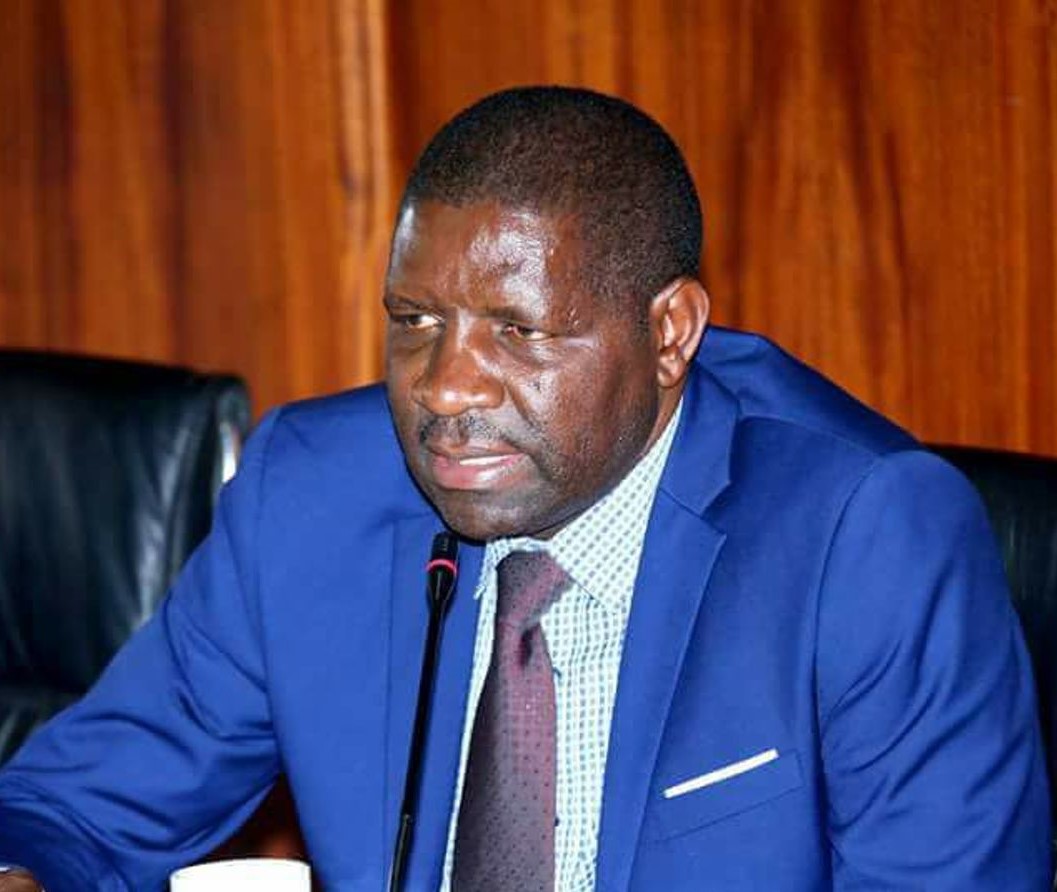
Handouts, land titles and gas cylinders dominate campaign as government and opposition trade accusations over spending
By MKT Reporter
Kenya’s ruling party stands accused of bribing voters with cash, land titles and subsidised cooking gas ahead of the July 16 Ol Kalou parliamentary by-election, even as senior government figures openly claim to have poured more than KSh10 billion into the constituency in the weeks before the vote.
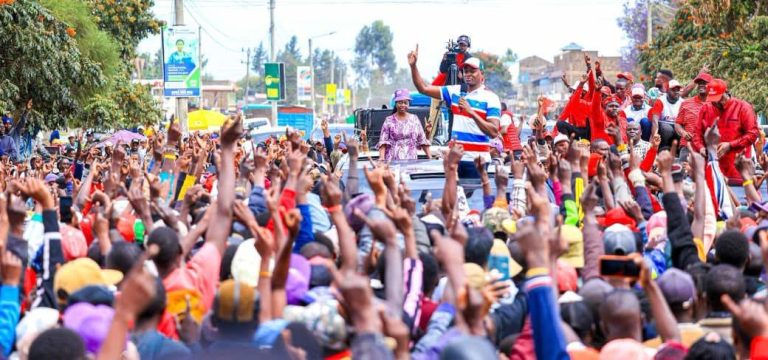
The scale of the spending, and the manner in which it has been delivered, has become the defining story of a contest that both the ruling United Democratic Alliance (UDA) and the Democracy for the Citizens Party (DCP), led by former Deputy President Rigathi Gachagua, are treating as a dress rehearsal for the 2027 General Election.
At the centre of the row is Nakuru Town East MP David Gikaria, who this week defended his practice of collecting residents’ national identity card details during cash handouts in the constituency. Speaking during an outreach stop in Mirangine, Gikaria disclosed that he had personally spent KSh1.2 million in a single day, after larger-than-expected crowds turned up for the event. “Yesterday alone, right here among you, I spent Sh1.2 million. I did not chase anyone away. Was anyone sent away from the meeting?” he said, insisting the identity checks were meant only to confirm that money earmarked for specific areas had reached the intended beneficiaries, and had nothing to do with the ballot. He argued that Kenya’s electoral system relies on biometric fingerprint verification rather than physical identity cards, making it impossible for the exercise to influence voting.
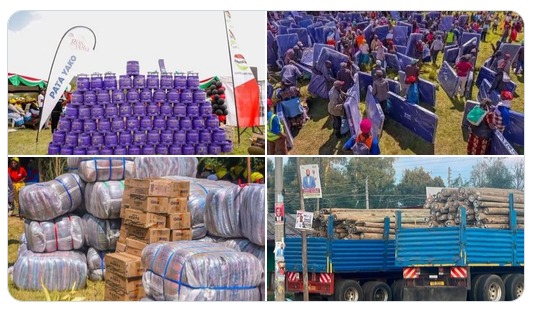
The MP’s remarks came the same week former Cabinet Secretary Moses Kuria escalated a public dispute with Gachagua over the true scale of government spending in the constituency. Gachagua had claimed President William Ruto’s administration had injected more than KSh1 billion into Ol Kalou, alleging the cash influx had left traders without change for KSh1,000 notes. Kuria dismissed the figure as a significant understatement. “You say we are spending Ksh1 billion in Ol Kalou. You are wrong. It’s actually over Ksh10 billion,” he wrote on social media, publishing a list of government projects he said justified the figure. His claim finds some independent support: a Daily Nation report, citing a document from the office of Chief of Staff Felix Koskei, put Ol Kalou’s share of county-wide government project spending at roughly KSh10 billion, out of a wider Nyandarua allocation that includes some KSh22 billion for roads alone.
That spending has taken visible form. Lands, Public Works, Housing and Urban Development Cabinet Secretary Alice Wahome and Tourism and Wildlife Cabinet Secretary Rebecca Miano have both made repeated trips to Ol Kalou to launch projects, including a new Lands Registry — the first in Nyandarua’s history — where officials say 296,000 of more than 400,000 land records have already been transferred from Nyahururu. Miano also presided over the reopening of Ol Kalou railway station on June 2, describing the return of passenger services on the Nairobi–Gilgil–Ol Kalou–Nyahururu line after 46 years of silence as proof of the government’s commitment to the region. On Monday, Petroleum Principal Secretary Kello Harsama and Energy Principal Secretary Alex Wachira launched the distribution of 20,000 subsidised cooking gas cylinders, priced at KSh1,500 against a market rate of roughly KSh5,500, making Nyandarua the sixth county to benefit from the scheme nationally.
Gachagua has seized on the timing of these launches, accusing the government of using development as a campaign tool and alleging that some residents were asked to surrender their identity cards in exchange for the free cylinders and government-branded mattresses. “This is a scheme to deny you the opportunity and right to vote,” he said in a statement, urging residents to accept whatever assistance was offered but to hold onto their identification documents. He has also alleged, without providing evidence, that security officers and hired groups have been deployed to disrupt his party’s rallies in the constituency. Government officials, including Energy PS Wachira, have rejected suggestions that the projects are politically motivated, insisting they form part of long-term national programmes that will continue regardless of the by-election’s outcome.
The dispute unfolds against a backdrop of documented concern about the conduct of Kenya’s recent by-elections. Following the November 27, 2025 mini-polls, the Election Observation Group reported open cash and relief-item bribery, alongside what it described as improper participation by senior public officials using state resources to campaign — conduct it said breached both the Constitution and the Public Officer Ethics Act. IEBC Chairperson Erastus Ethekon has since acknowledged that violence and the influence of money “remain major threats” to credible elections in Kenya. Under Section 9 of the Electoral Offences Act, anyone found to have bribed a voter faces a fine of up to KSh2 million, a prison term of up to six years, or both.
Whether any of these findings will be echoed when observers assess Ol Kalou remains to be seen. But with cabinet secretaries touring project sites, principal secretaries handing out subsidised gas, and MPs disclosing seven-figure daily campaign budgets in broad daylight, the contest for one parliamentary seat has already become a test of how far Kenya’s political class is willing to go, in full public view, to win it.
Similar Posts by The Mt Kenya Times:
- Kenya’s deadliest bridge to be replaced in KSh7.5B project
- Shell V-Power Tanker among seven merchant shipping tankers calling at the port of Mombasa
- KRA’s new import rules: Will mandatory cargo insurance push up the cost of goods?
- When universities shut down, small traders pay the price
- Sociolinguistic factors in the use of English Barbarisms among Uzbek youth
About the Author

Quite alarming security challenges whose available options displays a worrisome trend. Use of political goons under whichever persuasions and circumstances, our YOUTHS are definite victims though our future worthy nurturing progressively!! Let’s pray for our Peaceful by-election in Olkalau of Nyandarwa COUNTY!!