The Mt Kenya Times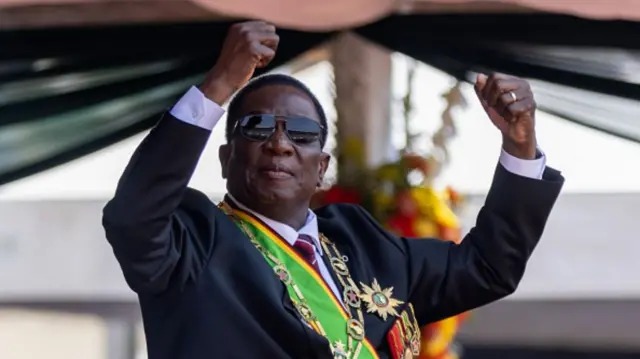
President Emmerson Mnangagwa
Constitutional amendment pushes back elections by two years and shifts presidential succession to Parliament
By Norman Mwale
President Emmerson Mnangagwa has signed the Constitution of Zimbabwe Amendment (No. 3) Bill into law, a move that extends his tenure — along with that of Parliament and local authorities — by two years, to 2030.
Government spokesperson Nick Mangwana confirmed the president’s assent on Tuesday, posting a copy of the legislation on X with the message: “Signed, sealed and delivered — it is now law.”
The Bill, widely known as CAB3, was sent to the President after Parliament adopted Senate amendments during an extraordinary sitting on 30 June. The National Assembly passed the changes by 226 votes to 41, comfortably clearing the two-thirds majority required under the Constitution.
Its most far-reaching provisions extend the presidential term from five years to seven and shift the election of a president from a direct popular vote to Parliament. Under the new law, a successor will be chosen at a joint sitting of the National Assembly and Senate should the presidency fall vacant, repealing the earlier provision under which the Vice-President automatically assumed office. The Bill also hands the Zimbabwe Electoral Commission responsibility for presiding over a parliamentary presidential election, in accordance with Standing Orders.
Justice, Legal and Parliamentary Affairs Minister Ziyambi Ziyambi, who tabled the Bill, described it as “progressive legislation which we must proceed to enact.” Speaking after the final vote, he said the House was “now free of the Bill,” adding: “When honourable members return from recess, they will return to a clear table. The matter that called them back is settled and behind them.”
The signing brings to a close months of heated political debate. Critics, including civic groups and opposition parties, had urged Mnangagwa to put the amendments to a national referendum before signing. In a letter to the President, the organisation WeThePeople invoked his own 2017 pledge that “the voice of the people is the voice of God,” arguing that “there can be no greater expression of that principle than allowing the people of Zimbabwe to determine directly, through a national referendum, whether Constitutional Amendment Bill No. 3 should become part of the supreme law.”
Opposition leader Nelson Chamisa condemned the move. “What Mnangagwa is doing is going to be a catalyst for change in this country,” he said. “They are making a fundamental mistake, a national error, but that error will be corrected by citizens.” Chamisa added: “We do not need to stop this Bill. At times, you do not need to stop someone who is determined to commit suicide.”
ZANU-PF has defended the changes as necessary for policy continuity. Signs that Mnangagwa, 83, intended to remain in office beyond 2028 first emerged two years ago, when supporters chanted for “more time” at party rallies. The ruling party formally adopted a resolution to extend presidential terms last year, with Cabinet backing the proposal in February.
With presidential assent now granted, CAB3 will be gazetted and take immediate effect, resetting Zimbabwe’s electoral calendar and paving the way for Mnangagwa, Parliament and local councils to remain in office until 2030.
Similar Posts by The Mt Kenya Times:
- Mt Kenya Times ePAPER October 24-25, 2026
- Muturi calls on IEBC to keep election technology tender clean and on schedule
- Ruto meets UAE minister in push to deepen trade ties
- Gideon Moi breaks silence on Ruto fallout, cites broken promises
- The doctor who refused to abandon a sick Uganda
About the Author