Blood, ballots and borders: A Pan-African call to protect our people in South Africa
 The Mt Kenya Times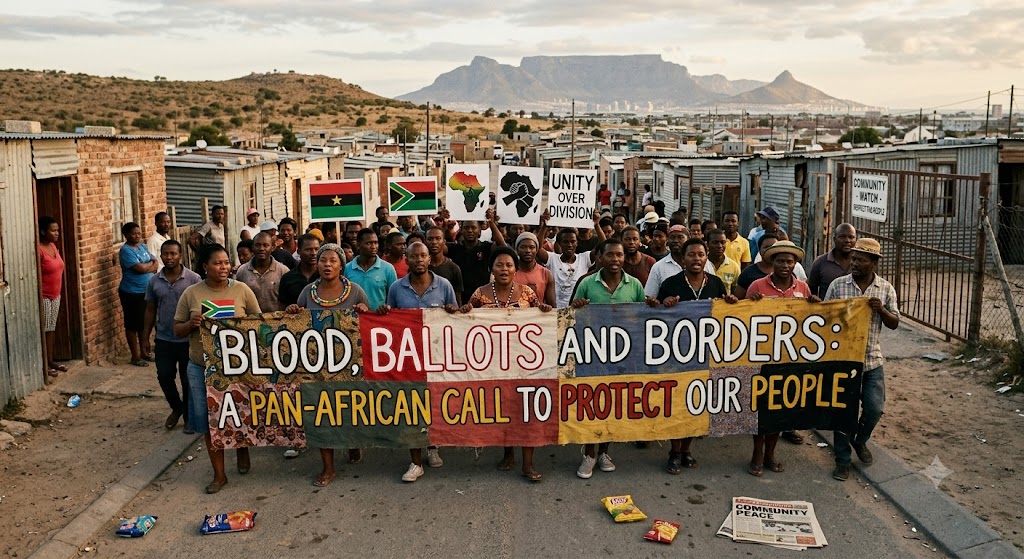
Xenophobic violence against Zimbabwean migrants betrays a debt written in blood and solidarity
By Norman Mwale
“We did not share a border by accident. We shared a struggle by choice.”
This is a Pan-African appeal to remember our shared struggle and protect our shared future.
The videos arrive on our phones late at night, and they do not leave us. A Zimbabwean vendor curled on a Johannesburg pavement, blood on his shirt after a mob attack. A mother in Durban, her hands over her face as municipal officers overturn her table and bundle her goods into the back of a truck while her children cry beside her. Young men in Pretoria, herded into a van at dawn for deportation, with nothing but the clothes they were wearing. We watch, and our hearts break, because these are not strangers. These are our brothers, our sisters, our own flesh and blood.
To understand why this hurts so deeply, we must remember who we were to each other, and who we promised to be.
Zimbabwe and South Africa are neighbours not only by geography but by blood and by fire. During the 1970s and 1980s, when Zimbabwe was still fighting to free itself from Rhodesian rule, South Africa’s apartheid regime stood with Ian Smith. In response, Zimbabwe became a home for South African liberation fighters. In training camps and safe houses across the country, young men and women from Soweto, KwaMashu and the Eastern Cape learned guerrilla warfare alongside Zimbabwean comrades from ZANU and ZAPU.
Zimbabweans died for South Africa’s freedom. Some fell in cross-border raids by apartheid forces. Others never returned from operations inside South Africa. In return, South African exiles were given shelter, food, education and dignity in Zimbabwe when the rest of the world had closed its doors.
That solidarity carried through to independence. When apartheid finally collapsed, South Africans did not forget what Zimbabwe had given. Zimbabweans living in South Africa in 1994 shared in the joy of that first democratic election, an election many had, in one way or another, helped make possible through the years of shelter and support their country had offered the liberation movement.
That is the covenant that makes what we are seeing today so unbearable.
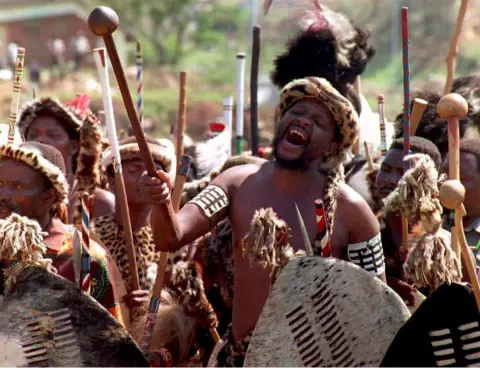
Economic collapse at home has forced hundreds of thousands of Zimbabweans across the Limpopo. They went to build, to work, to send money home to pay school fees and buy mealie-meal. Instead, many have found xenophobia, police raids and violence. We have seen videos of Zimbabweans dying in police cells. We have seen our men maimed in mob justice in townships. We have seen women assaulted and children left stateless because their parents were deported. The same streets where Mandela once walked to freedom now run red with the blood of people whose country helped him get there.
This is not the South Africa we fought for. This is not the Zimbabwe that stood by its neighbour.
Silence in the face of this is betrayal.
First, the Government of Zimbabwe must act with the weight of history behind it. The President must engage his counterpart in Pretoria directly. We need urgent bilateral talks, a joint commission on the rights of Zimbabwean nationals, and immediate consular intervention at every police station and deportation centre. Legal aid must be provided. No Zimbabwean should die in a foreign jail without the Zimbabwean flag demanding answers. South Africa must be reminded, formally and publicly, of the debt the liberation struggle created between our two nations.
Second, we must fix the reason our people are leaving. No immigration policy in South Africa will stop migration if Zimbabweans still cross the border to feed their families. Government must prioritise job creation, support for small businesses, agricultural revival and transparency in how our mineral and tourism wealth is used. People should not have to risk their lives to survive.
Third, fellow African countries must rise. This is not only a Zimbabwe-South Africa matter. It is an African matter. The African Union, SADC and individual governments must condemn xenophobia in the strongest terms and mediate urgently. African states that have benefited from migrant labour, in mining, construction, health and agriculture, must lead by example and protect all African nationals within their borders. Visa regimes, work permits and documentation processes across the continent must be harmonised so that no African is treated as a foreigner on African soil. We fought colonialism together. We must not allow borders drawn by colonisers to divide us now.
Fourth, the diaspora must act. Zimbabweans in the UK, USA, Canada, Australia and across the globe must mobilise. We must fund legal aid for those arrested in South Africa, document abuses, and lobby host governments and the United Nations to pressure Pretoria. Diaspora media, influencers and churches must amplify the voices of victims and keep this issue on the global agenda. Remittances keep families alive, but solidarity must also keep people safe. Let the diaspora be the bridge that forces accountability.
Fifth, we the people must lead. Churches, unions, student bodies and community organisations in both countries must teach this shared history again. Let the youth in Soweto know that Zimbabweans died for their freedom. Let the youth in Bulawayo and Harare know what South Africa’s independence meant to Zimbabwe too. We must hold joint commemorations of our liberation struggle so that xenophobia finds no ground to grow.
A nation is judged by how it treats those who stood with it when it was weak. Today, Zimbabweans are asking South Africa for nothing more than life, dignity and protection.
And to our brothers and sisters across the Limpopo, hear this word of hope: we see your struggle. We feel your pain. No one should be beaten, deported, or made to feel like a foreigner for seeking bread.
But remember: home remains the best. Zimbabwe may be bruised, but she is still your mother. She remembers you. She is waiting for you.
As the late Oliver Mtukudzi once sang of the motherland calling her children home, so we say to every Zimbabwean abroad: that call is not poetry. It is a promise. The land is still here. The soil is still fertile. The people are still your people.
Come back and build with us. Come back and let us create the jobs, the farms, the businesses, the schools that will mean no child has to cross the Limpopo in fear again. Come back so that we can heal together, and build the Zimbabwe our liberation heroes dreamed of.
South Africa was a place of refuge in the struggle. Now let Zimbabwe be a place of rebuilding in peace. We need your skills, your experience, your courage back home.
The motherland is ready. And we are ready with you.
Let us not allow borders to erase brotherhood. Let us not allow silence to betray memory.
Similar Posts by The Mt Kenya Times:
- When comradeship saves a life
- Not every struggling student is lazy
- Laikipia University: A natural haven for learning
- Why you should not milk a Kenyan buffalo
- Beyond the scars: The grief, fear and hope of living after breast cancer
About the Author