Zimbabwean Market
What became of the Zimbabwe that once inspired a continent?
By Alice Nyamande
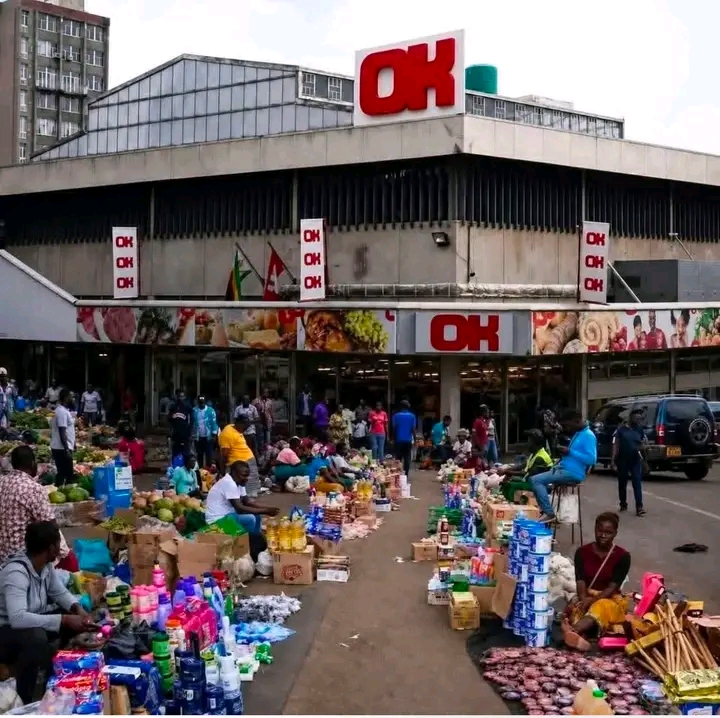
For many Zimbabweans who lived through the 1980s and 1990s, the image above is more than just a supermarket. It is a painful reminder of what once was, and of how much has changed.
There was a time when Zimbabwe was regarded as one of Africa’s most promising economies. Supermarkets were well stocked, industries were operating, hospitals functioned, schools produced some of the best graduates on the continent, and formal employment gave millions of families dignity and hope. People could plan for tomorrow with confidence, knowing that hard work could provide a decent life.
Step by step, that foundation began to crumble. Factories closed their doors. Farms and industries that once sustained the economy declined. Inflation destroyed savings, and the Zimbabwe dollar lost its value. Businesses shut down, unemployment soared, and millions of Zimbabweans were forced to leave the country in search of opportunities elsewhere. Families were separated, communities were weakened, and a generation grew up without the stability their parents once knew.
Today, many people struggle to afford basic groceries, medical care, school fees or decent housing. Street vending has become a means of survival for countless families, not because it was their dream, but because formal jobs have become scarce. Young people graduate with qualifications only to face unemployment, while pensioners who worked all their lives often struggle to buy medication.
This is not merely about economics. It is about the loss of dignity, security and hope.
Zimbabwe was blessed with fertile land, hardworking people, abundant natural resources and enormous potential. The question every citizen must ask is: how did a country with so much promise arrive at this point?
As the Action Democratic Movement, we believe Zimbabwe’s story does not have to end here. Our nation can rebuild through accountable leadership, respect for the rule of law, economic stability, investment, job creation, and policies that place the welfare of citizens above politics. Zimbabweans deserve a future where young people no longer have to leave home to find opportunity, where businesses thrive again, and where every family can live with dignity.
Below is today’s Zimbabwe.
What memories does this image bring back? What did Zimbabwe mean to you in the 1980s and 1990s? What do you think changed, and what must be done to restore our nation’s pride and prosperity?
Alice Nyamande, President, Action Democratic Movement
Similar Posts by The Mt Kenya Times:
- Mt Kenya Times ePAPER October 12, 2026
- Gachagua’s party storms Kikuyu from afar as 2027 countdown begins
- Counties caught: The KSh100B payroll scandal Kenya can no longer hide
- CS Ogamba: tree planting could generate carbon credit millions to fund education
- Farouk Kibet calls for unity and development as leaders rally behind Ruto’s 2027 re-election bid
About the Author