Democracy’s three-body system: Why voters, politicians and the media must remain in balance as Kenya heads towards the 2027 general elections
 The Mt Kenya Times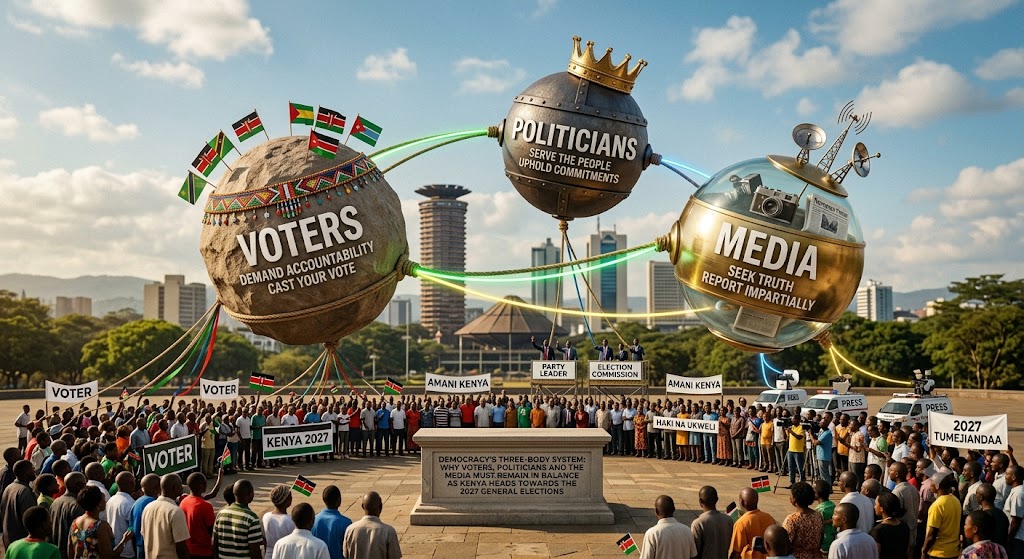
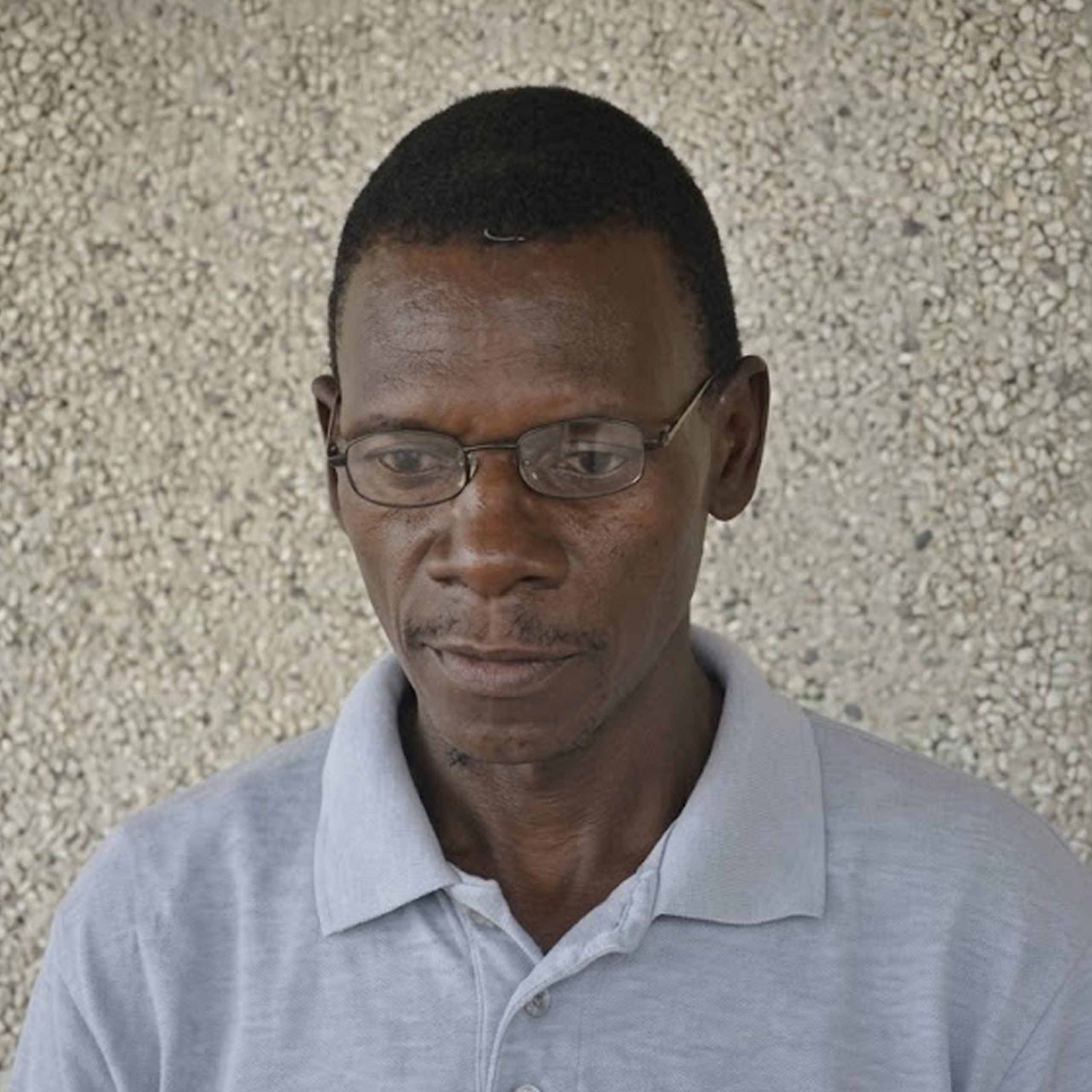
By Mr. Fredrick Kipchumba Chelimo PWD
Email: fkipchelimo@yahoo.com
The analogy of relationships between theoretical and applied physics is more relevant also to the relationship between politicians and voters more so in Kenya when we closely navigate our final touches to elections. In physics the relationship between theoretical and applied physics is one of dependence. Theoretical physics develops the mathematical principles that explain how the universe should behave, while applied physics transforms into technologies that improve human life. Neither discipline could thrive without the other. Theory without application remains abstract, while application without sound Theory produces unreliable outcomes. Continuous experimentation provides feedback, refining both disciplines and driving progress.
Kenya’s democratic system operates on a similar principle. The voter is the source of national aspirations, the politician is the executor who converts those aspirations into laws, policies, budgets and development programmes. Standing between them is the media – the nations independent observatory, interpreter and accountability mechanism. Together, these three institutions form the engine that powers constitutional democracy.
The voter is the democratic architect and elections begins with every voter identifying the future they desire; quality healthcare, affordable quality education, secure communities, employment opportunities, economic prosperity, justice and accountable leadership. These aspirations become the blueprint upon which political competition is founded. Politicians assume the role of the engineer and builder. Campaign promises, party manifestos and policy proposals are not ends in themselves but commitments to transform public expectations into measurable developments. Leadership is therefore judged not by the elegance of campaign rhetoric but the quality of implementation and measurable impact on citizen’s lives.
The media occupies an equally indispensable position. If voters are the blue print and politicians construct the building, the media functions as the surveyor, quality assurance inspector, and communication bridge. It constantly measures whether implementation corresponds with the original design and whether public resources are producing the promised and desired outcomes. Without and independent and professional media, the communication channel between citizens and their leaders remain weakened and minimized. Voters become susceptible to misinformation, politicians operate with diminished accountability, and public debate risks being driven by emotion rather than verified facts. Conversely, a responsible media ecosystem equips citizens with credible information, enables informed political choices and strengthens democratic oversight. This relationship creates a continuous democratic feedback loop. Citizens express priorities through elections, public participation and civic engagement. Political leaders formulate policies and implement programmes. The media scrutinizes decisions, verifies facts, investigates claims, and amplifies citizen voices. Public reactions then shape future policy choices and ultimately determine electoral outcomes.
As Kenya approaches the 2027 General Election, this democratic triangle becomes more defined, relevant and important than ever. Elections should not determine who enters office but should evaluate how effectively leaders have translated public expectations into tangible improvements in people’s lives. Similarly, voters should not make choices based on personalities, tribal affiliation, political slogans or viral social media narratives, but increasingly be informed by evidence, governance records, policy alternatives and measurable performance.
The digital age has significantly expanded the influence of media. Traditional journalism, podcasts, online television and digital influencers. This has democratized access to information while simultaneously increasing the risks of misinformation, disinformation, manipulated content and coordinated propaganda. Around the world, these challenges have become central concerns for electoral integrity, making media literally as important as voters’ education. In recognizing this, the Independent Electoral and Boundaries Commission (IEBC) signed a Memorandum of Understanding (MoU) with the Kenya Media Sector Working Group to strengthen election reporting, improve access to accurate electoral information and support professional journalism ahead of 2027 General Elections
Professional election reporting therefore carries profound national responsibility. The media must provide balance coverage, distinguish facts from opinion, verify claims before publication, expose malpractices and abuse of power regardless of political affiliation, provide equal opportunity for diverse voices, promote issue-based campaigns and resist becoming instruments of political manipulation. Conflict sensitive journalism remains essential in reducing tension and promoting peaceful democratic participation.
Politicians likewise bear significant obligation to respect constitutions, present realistic policy alternatives, avoid inflammatory rhetoric, reject hate speech, accept legitimate scrutiny and embrace transparency. Public office is fundamentally a public trust rather than a private entitlement. Voters also possess responsibilities that extend beyond casting ballots including to seek critical information, rejecting electoral bribery, resist ethnic mobilization, participate in public dialogue, demand accountability throughout the electoral cycle and evaluate leaders based on integrity, competence, and performance rather than popularity alone.
A healthy democracy therefore depends on the well-balanced equilibrium of all the three. When politicians overpower both voters and the media, authoritarian tendencies emerge, when misinformation overwhelms professional journalism, democratic decision making becomes distorted and when citizens disengage form governance, accountability weakens and public institutions lose legitimacy.
Just as science advances when theory, application and experimentation continually reinforce one another, democracy flourishes when voters articulate the national vision with clarity, politicians faithfully implement that vision and media independently verifies every step of the journey, Removal of any one of these pillars weakens the entire democratic structure. As the country enters the final leg of electioneering period, the greatest electoral victory will not be choosing new leaders. It will be demonstrating that informed citizen’s, responsible politicians and a fearless, ethical media can together protect democracy, strengthen public trust and secure more prosperous future for generations to come.
“Democracy succeeds not when politicians speak louder, but when voters are best informed and the media remains free enough to ensure that truth is louder than power”
Similar Posts by The Mt Kenya Times:
- Mt Kenya Times ePAPER October 10-11, 2026
- Cabinet clears path for pending bills payout in relief for Kenya’s struggling suppliers
- Karanja quits UDA and targets Nakuru governorship on Gachagua’s DCP ticket
- Gachagua’s team plants DCP flag in Kiambu as 2027 battle lines harden
- A moment of recognition for service in energy
About the Author