Senegal’s parliament votes to curb presidential powers in constitutional shake-up
 The Mt Kenya Times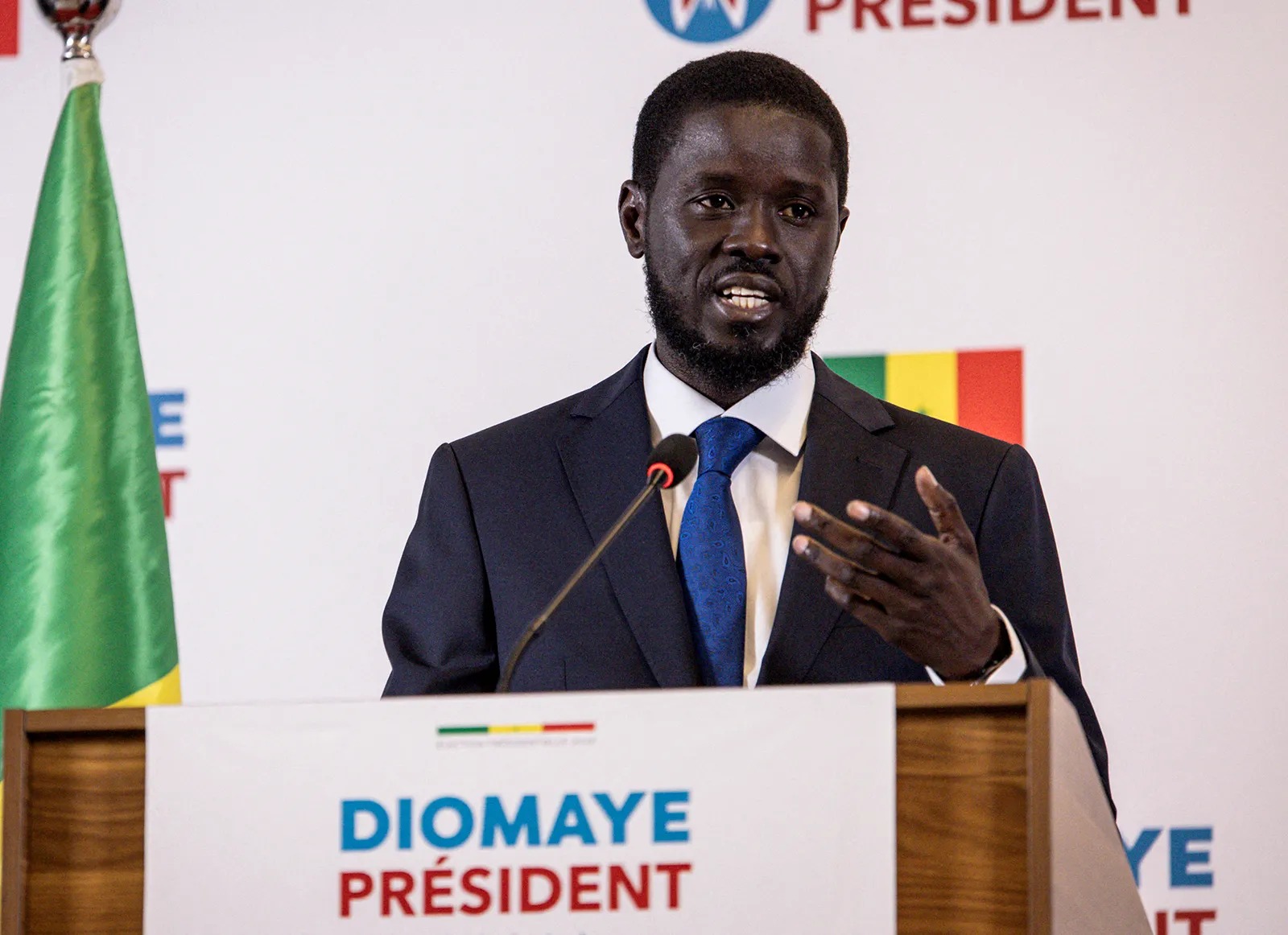
President Bassirou Diomaye Faye
Lawmakers hand parliament and the prime minister sweeping new authority, stripping back the presidency as Faye and Sonko’s rift widens
By Norman Mwale
Senegal’s National Assembly yesterday approved a constitutional amendment that hands parliament and the prime minister sweeping new powers while curbing those of the president, deepening a political rift within the ruling coalition and prompting President Bassirou Diomaye Faye to announce a nationwide referendum on the changes.
Lawmakers adopted the bill by an overwhelming majority during a tense sitting marked by heated exchanges, an opposition boycott and scuffles outside the chamber, where police fired tear gas to disperse around fifty protesters, most of them supporters of the Alliance for the Republic, the party of former president Macky Sall, who attempted to storm the building. Stones were thrown at police, who made several arrests.
The reform strengthens parliamentary oversight and broadens the remit of inquiry committees. It requires government to keep the legislature informed of agreements relating to the exploitation of natural resources, a provision framed by supporters as a safeguard on state finances. The text also proposes replacing the Constitutional Council with a nine-member Constitutional Court, up from seven members currently, bars a sitting president from leading a political party, limits the decisions an outgoing executive can take between a presidential election and the inauguration of a successor, and imposes tighter controls on the president’s power to dissolve the National Assembly.
Faye is expected to submit the adopted text to a referendum, though no date has been set. Justice Minister Moussa Sarr told parliament ahead of the vote that the president had decided to inform the Assembly speaker of his intention to put the text to a public vote. Sonko questioned whether the president had the authority to withhold promulgation of a law that had already secured a qualified parliamentary majority, telling lawmakers he would ask Faye to promulgate the law as adopted.
The reform was proposed by the ruling Pastef party, led by National Assembly Speaker and former Prime Minister Ousmane Sonko. Faye dismissed Sonko as prime minister in May, after which Sonko was elected speaker of an Assembly in which Pastef holds 130 of 165 seats. The party has described the changes as a “better rebalancing of powers” among the executive, legislature and judiciary, arguing the current system concentrates excessive authority in the presidency.
Not everyone in the president’s camp agrees. Presidential coalition leader Aminata Touré said on Sunday that “parliament is being used to weaken the president,” adding that the proposals “appear aimed at limiting the influence of the president of the republic by increasing the powers of the head of the National Assembly.” Her intervention underscored a broader split between Faye and Sonko, who came to power together in 2024 promising sweeping reforms but whose alliance has since fractured, partly over Sonko’s public criticism of the president’s handling of Senegal’s debt problems.
Critics, including opposition parties and civil society groups, have described the reform as political retaliation by Sonko following his dismissal, rather than a genuine rebalancing of institutional power. They have called for the bill to be withdrawn, arguing that a change of this magnitude warrants broader political consultation than the governing party allowed before bringing it to a vote.
Tensions were visible from the outset of Monday’s session. An opposition MP who proposed postponing the vote was refused the floor and, after declining to leave the podium, was forcibly removed from the chamber by gendarmes. Following the incident, opposition MPs walked out of the hall in protest, with the exception of one lawmaker who remained.
Outside the National Assembly in Dakar, demonstrators chanting “Hands off my Constitution!” gathered to denounce the changes before being dispersed with tear gas. Several opposition leaders and activists were detained in the process.
If approved in the referendum, the reforms would significantly reshape Senegal’s political system, shifting the balance of power toward parliament and the prime minister at the expense of the presidency. The government has yet to announce a date for the public vote, and it remains unclear how the dispute between Faye and Sonko over the president’s role in the process will be resolved before then.
Similar Posts by The Mt Kenya Times:
- Mt Kenya Times ePAPER October 12, 2026
- Gachagua’s party storms Kikuyu from afar as 2027 countdown begins
- Counties caught: The KSh100B payroll scandal Kenya can no longer hide
- CS Ogamba: tree planting could generate carbon credit millions to fund education
- Farouk Kibet calls for unity and development as leaders rally behind Ruto’s 2027 re-election bid
About the Author