Nyahururu in the eye of the storm: Political violence casts a shadow over Kenya’s democratic future
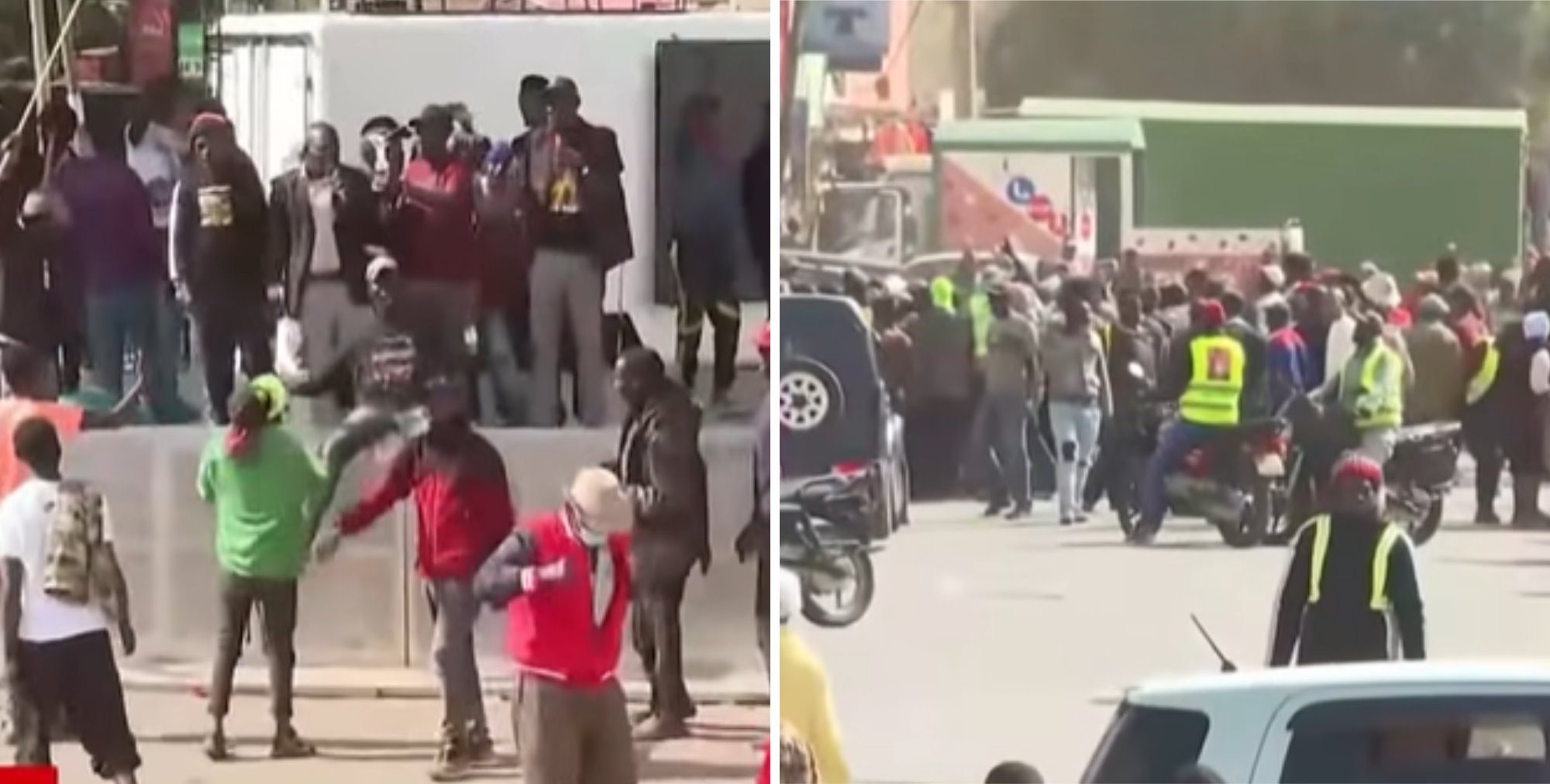
Murang'a Governor Irungu Kang'ata and leaders associated with the Linda Mwananchi movement was disrupted when chaos broke out
When campaigns descend into chaos instead of conversation, Kenya must ask whether its politics is becoming a contest of ideas or a battle of intimidation
By Hadassah Karangu
Sunday’s events in Nyahururu have once again pulled Kenya into an uncomfortable, but necessary, national conversation. What was meant to be another political rally instead turned into scenes of confusion, fear and violence, leaving many Kenyans asking whether the country’s democratic space is shrinking as political temperatures rise.
Reports indicate that a rally involving Murang’a Governor Irungu Kang’ata and leaders associated with the Linda Mwananchi movement was disrupted when chaos broke out during the gathering. Kang’ata later said his driver had been shot during the incident, and that vehicles in his convoy were damaged. Authorities had not publicly clarified the full circumstances, nor identified those responsible, by the time of reporting.
Whatever side of the political divide one stands on, violence should never become an accepted feature of Kenyan politics. Every Kenyan, regardless of political affiliation, deserves the constitutional right to assemble peacefully, campaign freely and speak their mind without fear of intimidation or attack.
The images and accounts emerging from Nyahururu paint a troubling picture. Instead of conversations about policy, jobs, the cost of living and development, headlines have once again been dominated by allegations of organised disruption, stone-throwing, security concerns and injured supporters. Scenes like these do little to build public confidence in Kenya’s democracy.
The timing makes matters more delicate still. Preparations for the Ol Kalou parliamentary by-election are already underway, and political activity is intensifying across the region. Security around campaign events has increasingly become a subject of national debate, with leaders from different sides calling on authorities to guarantee safety for all participants, regardless of political affiliation.
Adding to the tension, opposition leaders have issued fresh warnings to the government following the Nyahururu incident, accusing state agencies of failing to provide adequate security during their activities. Government officials have yet to respond publicly to those allegations, which means investigations will be essential before responsibility can be fairly established.
This is precisely the crossroads at which Kenya now finds itself.
If every political meeting is met with confrontation, every rally with suspicion and every disagreement with violence, it is ordinary citizens who pay the highest price. Small traders lose business. Families avoid town centres. Investors hesitate. Communities split along political lines, and fear slowly crowds out civic participation.
History has shown, time and again, that democracy is not measured by how leaders celebrate victory but by how they tolerate opposition. The strongest democracies protect the voices they disagree with most, because freedom loses its meaning the moment only one side is free to speak.
The responsibility for getting this right does not rest with politicians alone. Security agencies must remain impartial and professional, ensuring every Kenyan enjoys equal protection under the law. Where crimes have occurred, investigations should be transparent, evidence-driven and free of political interference — justice must not only be done, but be seen to be done.
Political leaders carry an enormous share of this responsibility too. Words spoken from campaign platforms can calm emotions just as easily as they can inflame them, and supporters often take their cue from the tone their leaders set. Choosing dialogue over confrontation is not a sign of weakness — it is a mark of statesmanship.
As Kenya edges closer to its next electoral cycle, the country cannot afford to normalise political violence. Elections should be contests of ideas, manifestos and leadership — not battles decided by fear, intimidation or bloodshed.
Nyahururu should serve as a wake-up call.
Kenya deserves a politics that inspires hope rather than anxiety, unity rather than hostility, and leadership that puts the lives of citizens above political rivalry. The future of the country’s democracy will not be decided at the ballot box alone, but in how well it protects the rights and safety of every citizen long before voting day arrives.
Similar Posts by The Mt Kenya Times:
- Dr. Ekrah Ndung’u wins TVET advocacy award after 12 years
- Mt Kenya Times ePAPER October 17-18, 2026
- Ruto bets billions on Kerio Valley — with one eye on 2027
- Ruto’s health ministry kills Murang’a’s digital hospitals
- Kenya bets on Mount Kenya to drive a billion-shilling tourism revival
About the Author