Africa makes first history to celebrate Commission on the Status of Women, citing Women are more vulnerable to climate change
 The Mt Kenya Times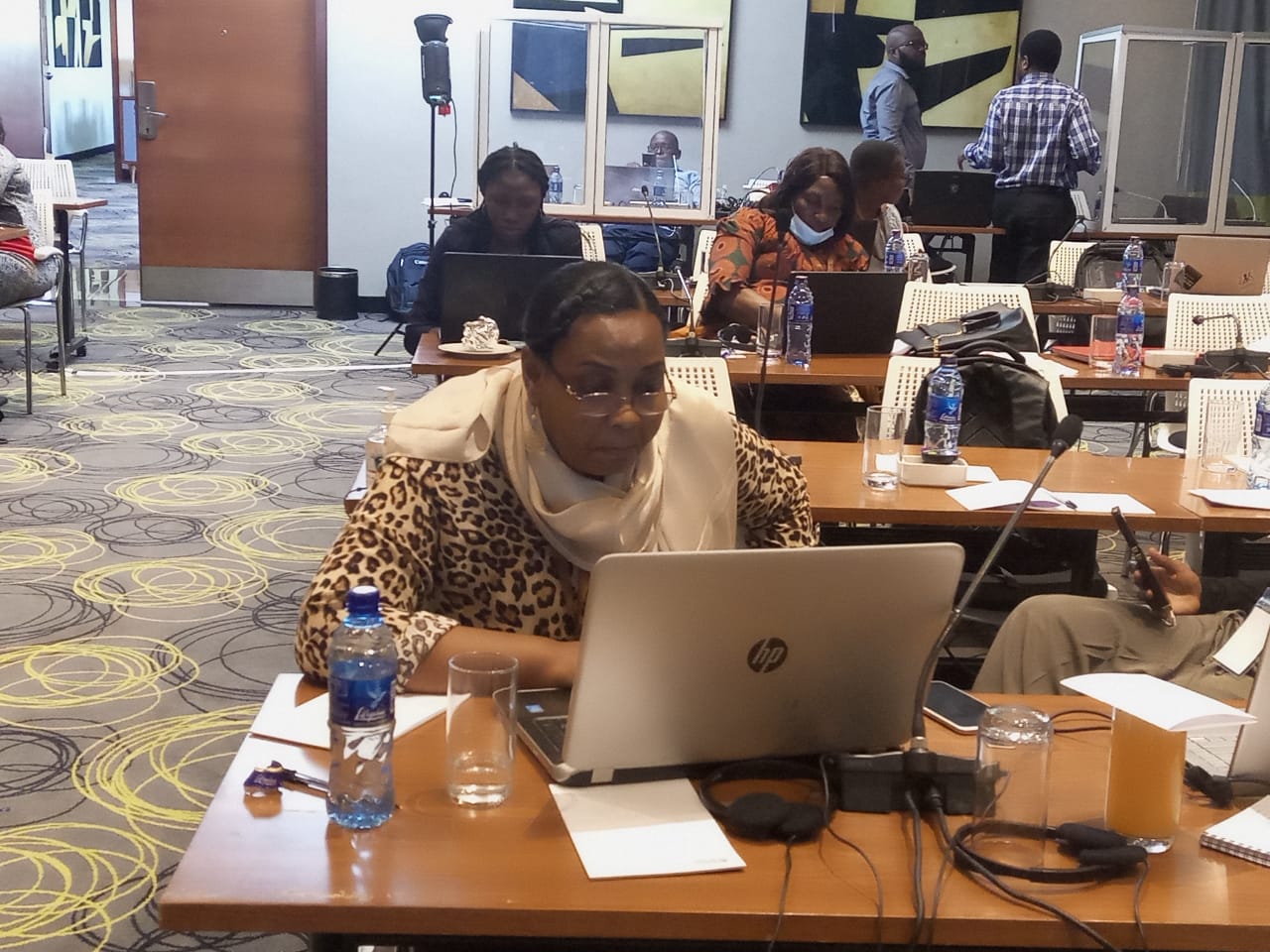
Mai Sudanese
By Elizabeth Angira
Worth Noting:
- The African Women’s Development and Communication Network (FEMNET) Executive Director Memory Kachambwa said that poor and hazardous housing and lack of sustainable water, sanitation and energy infrastructure and services, particularly in informal settlements, can create vulnerable situations for home-based workers and stay-at-home residents, often predominantly women.
- “Women should be provided a conducive environment, they are the backbone of the family, “she said.
- In over 70 % of households where water must be fetched women and girls are the primary water carriers. Around 85.7% of households in sub-Saharan Africa rely on unclean fuels for cooking and heating, with devastating effects on the health of women and children, who usually spend more time in the home.
Women’s lack of rights, access, and control of resources, particularly land, forests, waterways, ocean and marine resources, which weaken their adaptive capacities, increase their insecurity, limit their livelihood opportunities and limit their decision-making power on the use of such resources are some of the issues highlighted affecting women according to United Nations Commission on the Status of Women (CSW66).
The theme of 2022 is “Achieving gender equality and the empowerment of all women and girls in the context of climate change, environmental and disaster risk reduction policies and programs.”
According to the Chair United Nations Commission on the status of women Ms Mathu Joyini , said that women and girls continue to be denied equal access land, natural resources, finance , technology knowledge, mobility and other assets , this leaves them more vulnerable to the impacts of climate and environment crises and disasters.
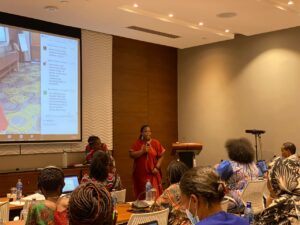
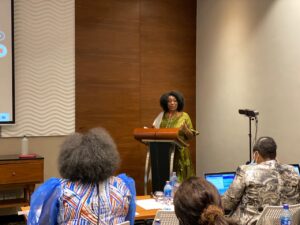
Speaking at the inaugural Africa’s 66th United Nations Commission on the Status of Women (CSW66) in Nairobi Kenya, Zimbabwean based gender justice and climate Activist Melania Chiponda said that climate change is caused by greenhouse gas emission that comes from industries.
Ms Chiponda attributed that discrimination and neglect in climate financing contributes a major percentage in climate change.
“Women are the most vulnerable to climate change effects due to their dependence on land, forest and water based livelihood activities, “she said.
Ms Chiponda said that the emissions from the industries it affects reproductive health system of women exposing them to health hazards and miscarriages.
She further said that women are connected to the food and primarily agricultural production due to dependence on land the risk exposed to them leads them to live in destitute and poverty.
Sudanese women in science organization chair Mai Hassan said that the climate has affected climatic events.
“NINO and NANO in 2015 there was a wave of drought that decreases the productivity of the crops and high mortality among the animal resources and in 2020 the floods affected the crops and destroyed infrastructure,” Ms Hassan said.
She also cited that the disturbance of the right timing for the planting and harvesting of farm produce affects the production yield
“Women and children are more vulnerable to hunger and from malnutrition exposing them to health hazards, “she said.
According to The African Women’s Development and Communication Network (FEMNET) it is proven that countries with higher female parliamentary representation are more likely to set aside protected land areas as well as addressing the adverse impacts of climate change.
Also it attributes that Women’s dependence on the informal economy for employment, characterized by lack of labor rights and social protection as well as myriad occupational hazards, leading to increased risks of economic insecurity and ill health. The proportion of women with comprehensive social protection legal coverage is around 3.9%, compared to 10.8% of men in Africa.
The African Women’s Development and Communication Network (FEMNET) Executive Director Memory Kachambwa said that poor and hazardous housing and lack of sustainable water, sanitation and energy infrastructure and services, particularly in informal settlements, can create vulnerable situations for home-based workers and stay-at-home residents, often predominantly women.
“Women should be provided a conducive environment, they are the backbone of the family, “she said.
In over 70 % of households where water must be fetched women and girls are the primary water carriers. Around 85.7% of households in sub-Saharan Africa rely on unclean fuels for cooking and heating, with devastating effects on the health of women and children, who usually spend more time in the home.
Laws
National laws, policies and strategic frameworks for climate, environment, and disaster risk reduction continue to fail to recognize and integrate women’s and girls’ needs systematically.
Frequent lack of gender equality commitments in, and gender-responsive implementation and financing of, national laws and policies on climate, environment and disaster risk management; and institutional barriers that prevent cross-sectoral integration between gender equality, disaster risk reduction, climate action and environmental management and development planning, all hinder gender equality and women’s empowerment
The event is organized by The African Women’s Development and Communication Network (FEMNET) in partnership with International Organizations and Civil Society groups.
The CSW is instrumental in promoting women’s rights, documenting the reality of women’s lives through the world and shaping global standards on gender equality and the empowerment of women.
The CSW66 is the first event being celebrated in Africa attended by 55 countries.
Similar Posts by The Mt Kenya Times:
- Mt Kenya Times ePAPER October 23, 2026
- Ruto’s parting COMESA call: Remove the barriers, honour the commitments
- Direct hospital access to KEMSA cuts drug delays, says PS
- Africa can’t wait: Continent seeks $1 trillion for climate adaptation
- Ruto passes the baton as Africa’s trade bloc faces a fragmenting world
About the Author