MPs scrutinise women’s economic policy as Parliament moves to close implementation gap
 The Mt Kenya Times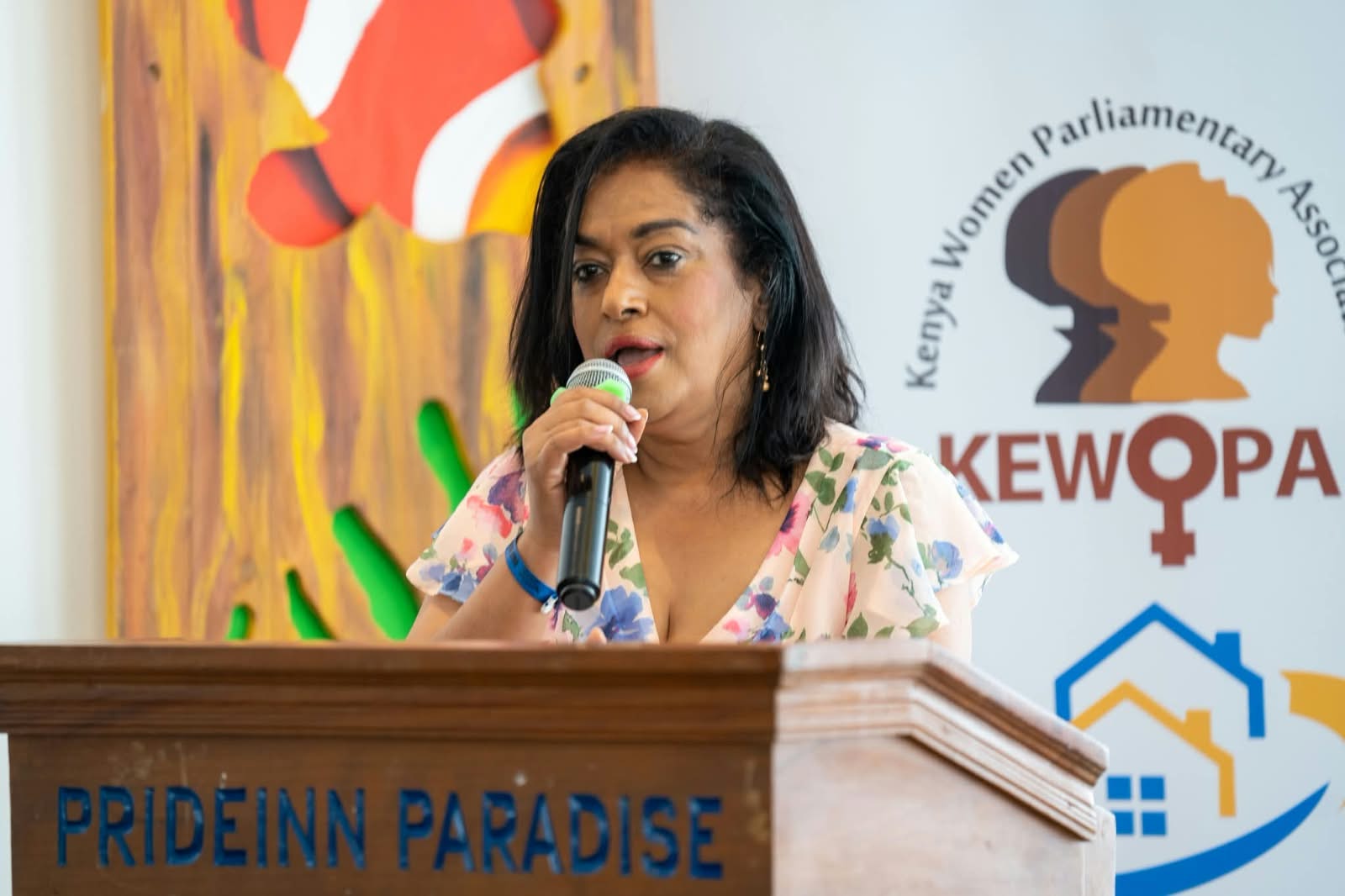
Nairobi Women Representative Esther Passaris
Lawmakers gather to interrogate financing and accountability mechanisms behind Kenya’s National Policy on Women’s Economic Empowerment
By John Kariuki
Members of Parliament yesterday began a two-day engagement on the National Policy on Women’s Economic Empowerment (NPWEE) and Sessional Paper No. 6 of 2026, with legislators pressing for concrete action to translate policy commitments into measurable outcomes for women across Kenya.
The engagement, convened by the Kenya Women Parliamentary Association (KEWOPA) in partnership with the Institute of Public Finance (IPF), is bringing together MPs from different parliamentary committees to examine the policy’s financing, institutional arrangements, coordination between national and county governments and the mechanisms required to track implementation.
Opening the session on behalf of KEWOPA Chairperson Leah Sankaire, Nairobi Women Representative Esther Passaris called on legislators to ensure the policy moves beyond paper commitments.
“Most importantly, let us ensure that the National Policy on Women’s Economic Empowerment does not remain only a framework on paper, but becomes a basis for coordinated action that expands women’s economic opportunities,” Passaris said.
Hillary Kosgei, representing the Chairperson of the Departmental Committee on Social Protection, said the Sessional Paper was designed to address long-standing gaps in how women’s economic empowerment programmes are coordinated and funded.
“The Sessional Paper seeks to fill this void by serving as a comprehensive framework to address systemic barriers to women’s economic empowerment in Kenya,” Kosgei said.
The discussions are covering a broad range of sectors where the policy is expected to have direct implications, including agriculture, employment, enterprise development, social protection and public finance. Legislators are also examining the Committee on World Food Security Voluntary Guidelines on Gender Equality and Women’s and Girls’ Empowerment as a practical framework for advancing the NPWEE within the agricultural sector specifically.
With the Sessional Paper already before Parliament, the engagement is focused on how its priorities can be connected to adequate budgetary allocations, effective inter-agency coordination and accountability structures that ensure implementation is tracked and reported.
The central challenge identified by participants is one that has historically undermined similar policy initiatives in Kenya: the gap between well-intentioned commitments and the institutional and financial infrastructure required to deliver them. Legislators indicated that parliamentary action would be needed to close that gap and ensure the NPWEE produces tangible economic opportunities for women at both national and county level.
The two-day engagement concludes today.
Similar Posts by The Mt Kenya Times:
- Kajiado’s blackout is a test Kenya’s government is failing in plain sight
- ‘We feel unwanted here’: Burundians weigh departure as 90-day amnesty deadline looms
- Night of Praise: Charambas and Cherayis lead Odyssey Gospel Concert in Zimbabwe
- SasaPay joins Denri runway celebration as digital payments firm eyes creative economy
- Mt Kenya Times ePAPER September 14, 2026
About the Author