The former Wajir Woman Representative is among 12 candidates competing for a constitutionally reserved position on Parliament’s governing body
By John Kariuki
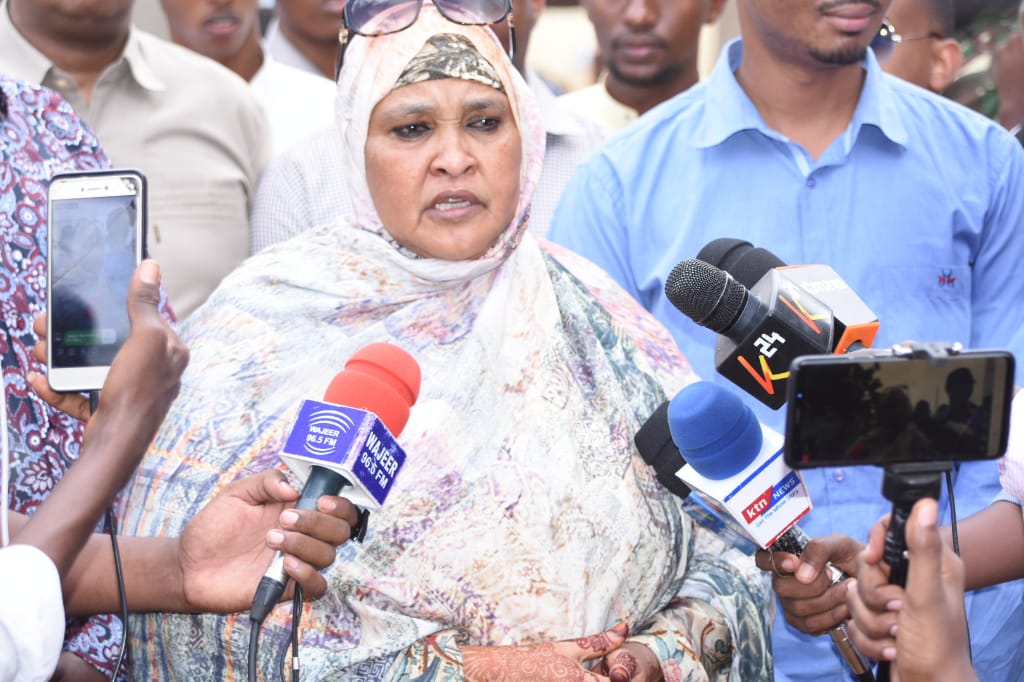
Fatuma Ibrahim Ali, the former Wajir County Woman Representative, is among 12 women shortlisted for the female non-MP position on the Parliamentary Service Commission, drawn from a field of 75 applicants.
The commission is recruiting under Article 127(2)(d) of the Constitution, which reserves two positions — one for a woman, one for a man — for persons experienced in public affairs who are not serving Members of Parliament. The vacancy follows the completion of the six-year tenure of former Kakamega Woman Representative Rachel Ameso Amolo as the female non-MP commissioner.
Fatuma served as Wajir County Woman Representative in the 11th Parliament, where she participated in national debates on education, insecurity, gender-based violence and the welfare of communities in North Eastern Kenya. Her parliamentary record puts her among the candidates with direct legislative experience — a quality the commission’s mandate arguably demands.
The Parliamentary Service Commission is not a ceremonial body. Established under Article 127 of the Constitution, it oversees the provision of services and facilities for Parliament’s functioning, manages appointments and supervision of parliamentary staff, prepares expenditure estimates, exercises budgetary control and supports programmes promoting parliamentary democracy. The role requires familiarity with parliamentary structures, public administration and institutional governance.
The shortlist also includes former legislators, professionals and academics, making the process competitive. The final appointment will be determined through constitutional and parliamentary procedures.
Fatuma’s inclusion places her public service record under fresh national scrutiny. Her tenure in the National Assembly, representing a county that has historically faced significant development and marginalisation challenges, drew attention to issues that rarely dominate parliamentary debate. For Northern Kenya, her presence in the process carries weight beyond the individual appointment — the region has produced leaders who have built careers in national institutions, and Fatuma’s trajectory is part of that pattern.
The interviews are under way. Parliament has not indicated when the final appointment will be announced.
Similar Posts by John Kariuki:
- Ruto and Gachagua trade blows as Kenya’s 2027 election battle turns brutal
- Kenya’s tax deadline shifts to April: Are ordinary Kenyans ready?
- Kenya closes Bern embassy and opens new missions in Azerbaijan and Congo
- Congo airport fees: What international travellers need to know before they fly
- Samsung tops Africa smartphone market for first time in three decades