World heart day: Heart surgery survivor Roselyne urges Kenyans to know their numbers and not miss a beat
 The Mt Kenya Times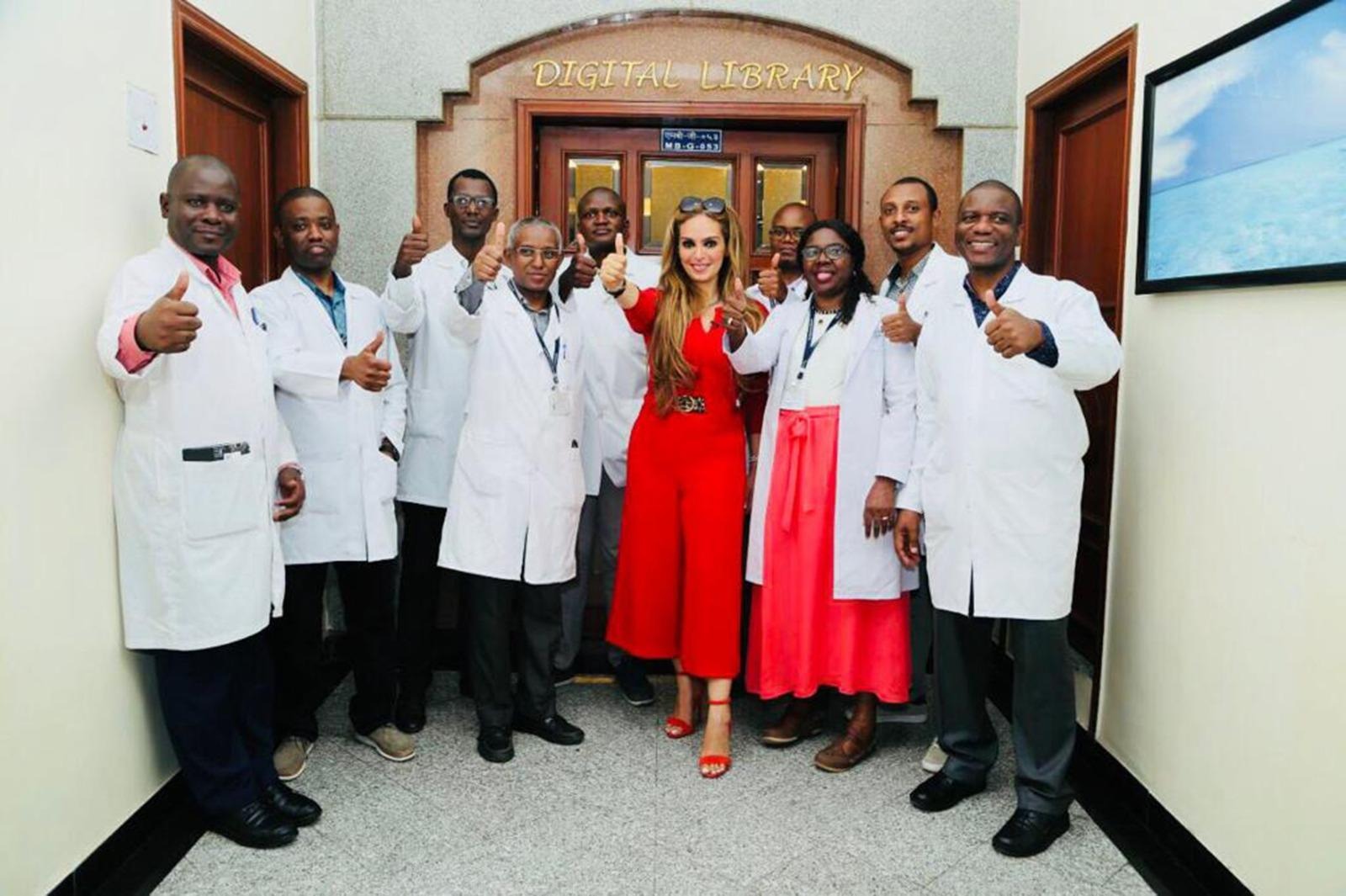
Dr Roselyne Yakona Oigara, a heart surgery survivor she urges those diagnosed with heart conditions to seek help, ask questions and explore available treatment options. Photo/Elizabeth Angira
By Elizabeth Angira
As the world marks World Heart Day on September 29, 2026, heart disease survivors, health professionals and organisations are calling for greater awareness, early detection and prevention of cardiovascular diseases.
This year’s World Heart Day theme, “Don’t Miss a Beat,” is a reminder that heart disease can sometimes develop silently, with some of its risk factors showing few or no obvious symptoms until they cause serious complications.
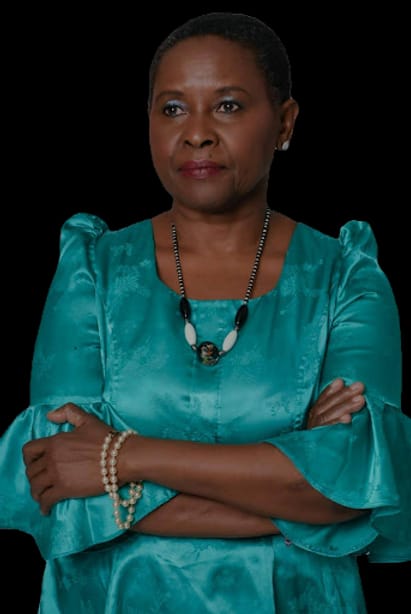
For Dr Roselyne Yakona Oigara, a heart surgery survivor, the message is deeply personal.
Having gone through her own heart health journey, Oigara is encouraging Kenyans not to view a heart disease diagnosis as a death sentence. Instead, she wants patients and their families to seek medical help, follow treatment and remain hopeful.
“When you get a diagnosis, it does not mean that you now have a death sentence,” Oigara says.
Her message is particularly directed at families whose children have been diagnosed with congenital heart disease, as well as adults who have discovered that they have a heart condition.
“Once your child is diagnosed with a congenital heart disease, or once your parent or yourself has been diagnosed with having a heart disease, it does not mean that you are going to die,” she says.
Oigara’s experience has shown her the importance of seeking specialised care.
She recalls that after being diagnosed with a heart problem, she went to hospital hoping to see a cardiologist, only to be given an appointment that was scheduled years later.
“When I was diagnosed with a heart problem, when I went to the hospital to even see a cardiologist, I was booked to see a cardiologist after three years,” she recalls.
For her, the long waiting period demonstrated the enormous demand for specialised cardiac services.
“That tells you that we have so many cases of these,” she says.
But rather than allowing the experience to discourage her, Oigara has turned it into a message of hope for other patients and families.
She is urging those diagnosed with heart conditions to seek help, ask questions and explore available treatment options.
“If you do not find any help among all this, please come to us. We will give you advice on how to go about it,” she says.
Know your numbers
One of Oigara’s strongest messages this World Heart Day is for people to know their numbers.
She says people should not wait until they feel sick before going to hospital.
“Even if you do not feel sick, kindly go to the hospital and get tested,” she says.
She particularly wants people to have their blood pressure and blood sugar checked.
“We always say, know your numbers. Know your blood pressure so that you can be able to prevent any catastrophe that may come,” she says.
Her concern comes at a time when hypertension continues to affect millions of people worldwide, many of whom do not know that they have the condition.
According to the World Health Organization, an estimated 1.4 billion adults aged 30 to 79 were living with hypertension in 2024, while about 600 million, or 44 per cent, were unaware that they had the condition. Only around 23 per cent had their blood pressure under control.
Hypertension is one of the major risk factors for cardiovascular disease and can contribute to heart attacks, strokes, heart failure and kidney disease when it remains uncontrolled.
For Oigara, this is why regular screening should not be reserved for people who already feel unwell.
“It’s better to go to the hospital and get tested earlier,” she says.
If high blood pressure is detected, she encourages patients to follow medical advice and use prescribed medication alongside recommended lifestyle changes.
The hidden burden of cardiovascular disease
Cardiovascular diseases remain the leading cause of death globally.
An estimated 19.8 million people died from cardiovascular diseases in 2022, accounting for about 32 per cent of all deaths worldwide. About 85 per cent of cardiovascular deaths were attributed to heart attacks and strokes.
More than three quarters of cardiovascular deaths occur in low- and middle-income countries.
In Kenya, World Heart Federation data indicate that 32,082 people died from cardiovascular disease in 2024, while the country’s age-standardised cardiovascular mortality rate stood at 127 deaths per 100,000 people.
For Oigara, behind these statistics are families who suddenly lost loved ones to conditions that may not have been detected early.
She points to cases of people who appear healthy but suddenly collapse and die.
“You find that there’s maybe a 30-year-old man who was previously very healthy and then the next day you are being told he died,” she says.
“He fell down and died because of a heart attack.”
Such experiences, she says, demonstrate why people should not assume that feeling healthy means they are free from cardiovascular risk.
Prevention begins with everyday choices
Oigara also wants Kenyans to pay attention to their daily lifestyles.
She encourages people to reduce the amount of salt they consume, exercise regularly, avoid alcohol and make healthier choices.
These measures are particularly important in preventing and managing risk factors associated with cardiovascular diseases and other non-communicable diseases.
She says conditions such as high blood pressure and diabetes can affect vital organs when they are left untreated.
“If you continue having those diseases, the non-communicable diseases, sometimes they go and affect the vital organs in your body,” she says.
She lists the heart, kidneys, brain and blood vessels among the organs that can be affected.
Her message is therefore not simply to seek treatment after becoming sick, but to embrace prevention and early detection.
Building local capacity for heart and diabetes care
The call for early detection and prevention is also being echoed by Merck Foundation, which is using World Heart Day to highlight the importance of strengthening healthcare systems and bringing specialised cardiovascular and diabetes services closer to communities.
Merck Foundation CEO Senator, Dr. Rasha Kelej says the organisation is marking World Heart Day by building cardiovascular and diabetes care capacity across Africa, Asia and Latin America.
According to Kelej, Merck Foundation, together with its Ambassadors, First Ladies of Africa and Asia, Ministries of Health, medical societies and academic institutions, has provided 956 scholarships to healthcare providers from 52 countries.
The scholarships cover specialised areas including Diabetes, Cardiovascular Preventive Care, Endocrinology, Cardiology, and Obesity and Weight Management, as well as clinical cardiovascular and diabetes care programmes.
Kelej says the objective is to ensure that specialised healthcare knowledge is not concentrated only in major cities.
“We are committed to bringing specialized healthcare capacity closer to the communities that need it,” she says.
By supporting healthcare providers from different parts of countries, including areas outside major capital cities, Merck Foundation says it is helping to create local experts who can provide specialised care while contributing to prevention, early diagnosis and health awareness.
The organisation says it has provided more than 2,750 scholarships to healthcare providers from 52 countries across 44 critical and underserved medical specialities.
A Kenyan doctor’s experience
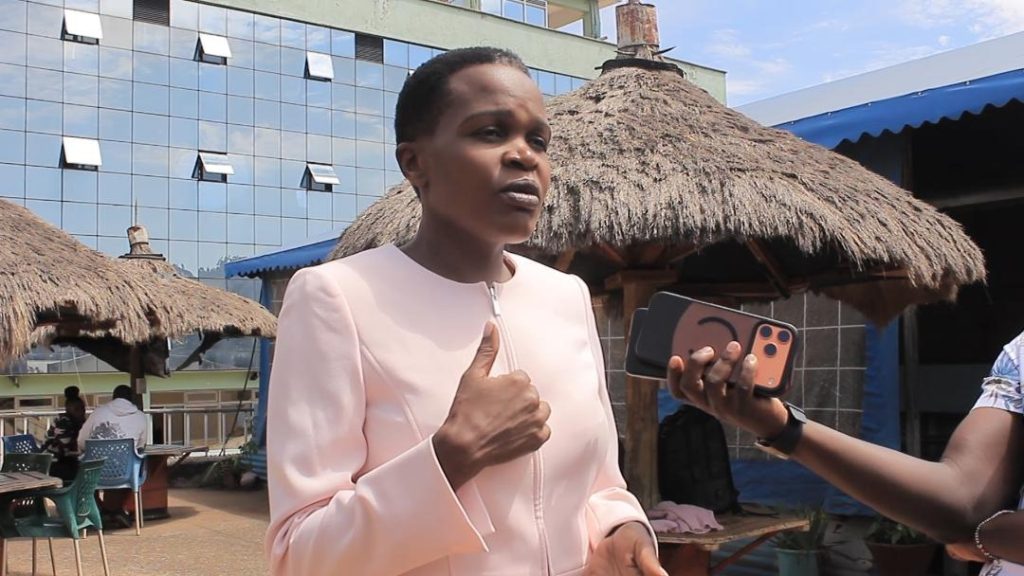
For Dr. Husein Jivanji, a Kenyan Merck Foundation alumnus, such training has translated into practical changes in patient care.
Jivanji received training through a Postgraduate Diploma in Cardiovascular Preventive Medicine.
He says the programme strengthened his clinical knowledge and practical skills and enabled him to establish a specialised cardiology clinic in the public sector.
“With my increased knowledge and skills, I have started a specialized cardiology clinic in the public sector,” Jivanji says.
He adds that the training has enabled him to improve patient management and contribute more effectively to healthcare services in his community.
His experience illustrates the importance of having trained healthcare workers who can identify cardiovascular risks, provide appropriate care and educate communities before conditions become life-threatening.
Hypertension remains a major challenge in Africa
According to WHO data cited by Merck Foundation, cardiovascular diseases have emerged as the leading cause of non-communicable disease deaths in the African Region, with more than one million cardiovascular deaths estimated in 2019.
Hypertension remains one of the major risk factors.
Fewer than one-third of people living with hypertension in the African Region receive treatment, while only about 12 per cent have their blood pressure under control.
This creates a major challenge for health systems already dealing with other competing health needs.
For this reason, Merck Foundation has partnered with First Ladies of Africa and Asia on community awareness programmes focused on the prevention and early detection of hypertension and diabetes, two conditions that are closely linked.
The programmes also promote healthier lifestyles within communities.
Teaching children’s healthy habits
The campaign is also being taken to children and families.
Merck Foundation, together with First Ladies, has developed children’s storybooks titled “Mark’s Pressure” and “Sugar-Free Jude.”
The books are designed to help children and families understand the importance of healthy lifestyles and how everyday choices can help prevent hypertension, diabetes and related complications.
The stories have also been adapted into animation films to reach young audiences through a format that is easier and more engaging for children to understand.
“Healthy habits are easiest to build from an early age,” Kelej says.
Through the books and animations, children and young people are encouraged to make healthier choices, including reducing salt and sugar intake, exercising regularly, eating balanced meals and avoiding smoking.
The idea is that prevention should begin before disease develops.
Don’t miss a beat
As World Heart Day 2026 is marked across the globe, the message emerging from survivors, healthcare providers and health organisations is that protecting the heart requires both awareness and action.
For Roselyne Yakona Oigara, the message is especially close to her heart because she has lived through the experience of heart surgery herself.
She wants people to understand that a diagnosis does not have to take away their hope.
She also wants Kenyans to take simple steps: get their blood pressure checked, know their blood sugar levels, seek medical attention, when necessary, maintain healthy lifestyles and follow treatment when diagnosed with a condition.
Her message is particularly important for parents of children with congenital heart disease, who may feel frightened when they first hear the diagnosis.
Oigara says they should seek help rather than give up.
For the millions of people at risk of cardiovascular disease, “Don’t Miss a Beat” is more than a World Heart Day slogan.
It is a call to pay attention to the body, identify risks early and act before a preventable condition becomes a medical emergency.
And for Oigara, every person who checks their blood pressure, seeks treatment early, changes an unhealthy habit or encourages a loved one to visit a hospital represents another opportunity to save a life.
This World Heart Day, her message is simple: know your numbers, protect your heart, seek help early and don’t miss a beat.
Similar Posts by The Mt Kenya Times:
- Ruto mocks UNGA critics: “That requires someone with sense”
- Media warns: Information gaps fuel 2027 disinformation risk
- Gachagua’s DCP holds strategic NEC meeting ahead of 2027 polls
- Sifuna’s unending party ownership hurdles
- From leading within to changing the world: The Fredah Mainah story
About the Author