Kenya braces for heavy rains as El Niño and Indian Ocean Dipole combine
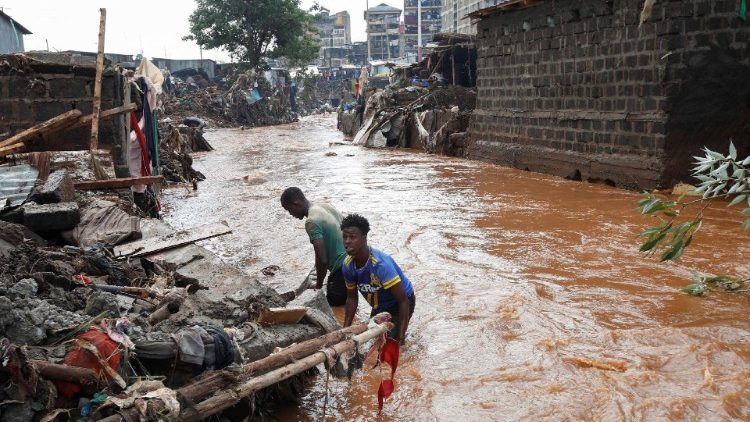
Severe floods ravage Nairobi in past
Above-average rainfall is forecast across much of the country — bringing relief to farmers but raising flood and disruption risks.
By Grace Wanja
The Kenya Meteorological Service yesterday announced the official onset of the October-December rainfall season, with above-average precipitation forecast across large parts of the country as El Niño conditions strengthen alongside a developing positive Indian Ocean Dipole.
Rainfall has already been recorded in 24 counties spanning western Kenya, the Rift Valley and the Coast, with the seasonal rains expected to advance progressively into remaining regions through October. The announcement brings cautious optimism for farmers and livestock keepers still recovering from previous seasons of inadequate rain, but it carries an equally clear warning: the rains that replenish rivers and regenerate pasture can also flood farms, destroy crops and cut off rural communities.
Acting head of the Kenya Meteorological Service Authority, Edward Muriuki, confirmed the season was under way but urged farmers to look beyond the national outlook. “County-specific weekly and monthly forecasts are available from the offices of respective county directors of Meteorological Services,” he said. Kenya’s terrain and microclimates mean neighbouring counties can experience dramatically different rainfall within the same season, and decisions based on generalised national forecasts have repeatedly cost smallholder farmers dearly.
Counties already recording the onset span the western and Rift Valley regions, the Coast and the Tana Delta. Arid northern counties — Marsabit, Mandera, Wajir, Garissa and Isiolo — are expected to receive rain in the first or second week of October. Central Kenya and Ukambani, including Nairobi, Kiambu, Murang’a, Kirinyaga, Nyeri, Embu, Meru, Machakos, Kitui and Makueni, follow in the second or third week. Turkana and Samburu will be last, with their outlook described as poor to fair — limited relief for communities that have endured persistent water stress.
The agricultural implications cut both ways. Improved soil moisture, replenished water sources and regenerated pasture would provide direct relief to millions of Kenyans dependent on rain-fed agriculture and livestock. But above-average rainfall also brings waterlogged farms, crop disease, pest pressure and impassable rural roads that sever supply chains between farms and markets. In flood-prone areas, sustained heavy rain poses direct threats to life and property.
The climate systems behind the forecast add further complexity. The World Meteorological Organisation anticipates a positive Indian Ocean Dipole developing between September and November alongside strengthening El Niño conditions — a combination historically associated with enhanced rainfall across eastern Africa, including the catastrophic floods of 1997 and 1998. Muriuki was careful to resist single-cause explanations. “Rainfall is influenced by several climate systems, including El Niño and the Indian Ocean Dipole,” he said. Temperatures are expected to remain above average across most of the country throughout the season.
The rains are forecast to persist into January across central, western and eastern Kenya, while winding down earlier in the northern counties by the first or second week of December.
The forecast has been issued. What Kenya does with it is the real question.
Similar Posts by The Mt Kenya Times:
- Mt Kenya Times ePAPER October 19, 2026
- DCP takes healthcare pledge to Murang’a heartland
- Sifuna bets his political life on a presidential run
- Ruto turns Nandi rally into opposition assault as 2027 battle lines harden
- Kenya’s Ebola cases climb to eight as outbreak spreads beyond health workers
About the Author