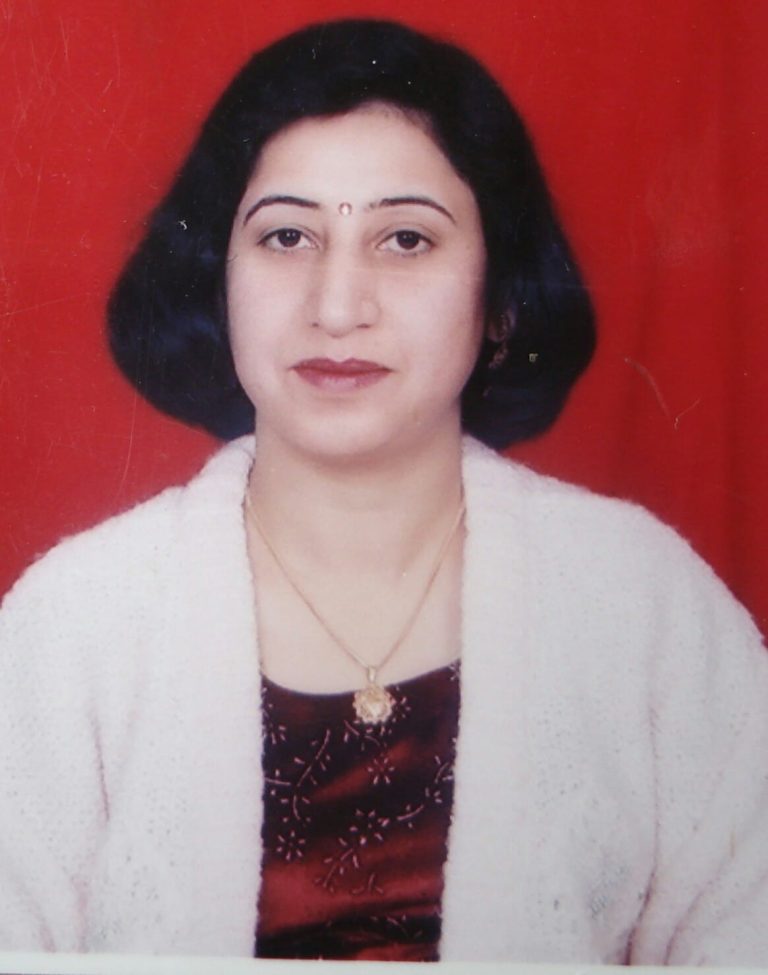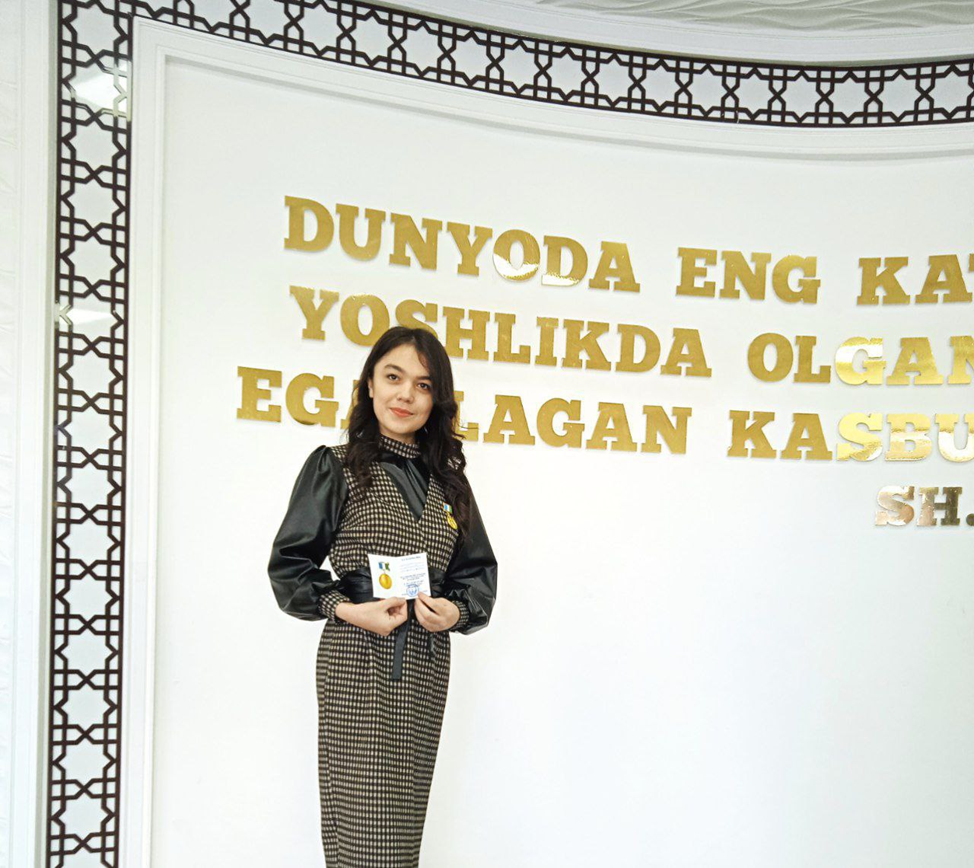
Farmonova Mehrinoza

“A person looks in the mirror to cure the ailments that he may accidentally notice.” These words were written a century ago by Mahmukhoja Behbudi, one of the major representatives and leaders of Turkestan modernism, “What is a mirror?” taken from his article. With these sentences, the Enlightenment man seemed to describe his entire life path, which he spent his whole life in the path of national liberation and people’s well-being. In order to closely study the life paths of Behbudi, who was honored with the titles of “genius of Turan”, “noble teacher”, “father of the people”, according to Sadriddin Ainiy’s definition, “… it is necessary to write volumes of books, not newspaper pages”.
No matter what era a person lives in, the concepts of nation and national freedom have never lost their importance. Especially at the beginning of the 20th century, our moderns raised this issue as a matter of life and death. During this period, the concept of “Milliyat” “nation” began to gain more important and relevant importance than ever before. Like his comrades-in-arms, Munavvarqori Abdurashidkhanov, Abdulla Avloni, Abdurauf Fitrat, Tavallo, Hamza, Abdulhamid Cholponar, Behbudi wrote journalistic articles, poems, in order to achieve national independence, build a free and free society, and raise public awareness. wrote feuilletons. They tried to promote the ideas of Jadidism throughout the country.
At this point, it should be said that Behbudi’s name is undoubtedly of special importance in the spread of new, heretical ideas. He firmly believed that the people of Turkestan, in general, “will open the doors of ijtihad, turn towards goodness, and get rid of the heresy and superstition that is currently prevailing” and worked on this path without deviating.
First of all, he called upon all Turkic peoples to work tirelessly for freedom and to give their lives for it under the motto “A friend is a friend’s window”. Ingerborg Baldauf said, “He required Muslims to look at the world with open eyes, arm themselves with science and show activity in running a modern economy.” It is worth noting that Behbudi called the people to learn European technologies, inventions created by pioneers, and to keep up with the times, without giving up Eastern-Islamic teachings. Based on his experiences, he came to the following conclusion: “only human sacrifice and science can change the world for the better. If this does not happen and if this sacrifice is not made, nationalities and religions will be destroyed.”
It is not for nothing that Laziz Azizzoda calls the enlightener “practical as well as theoretical”. Because every article Behbudi writes, every speech he delivers, and every action he takes, it is as if he involuntarily says to the people: “Break the chains of colonialism.” In general, Behbudi’s original goal was to convey his identity to the nation, to achieve national liberation, and to join the country among the developed countries. On this path, he severely criticized any person or factor that was divisive and hindered the development of the nation, and he died in the same way.
Farmonova Mehrinoza
Uzbekistan Journalism and mass media
Student of the University of Communications
Similar Posts by The Mt Kenya Times:
- Mt Kenya Times ePAPER October 22, 2026
- Ruto heads to Harare for COMESA summit on trade and regional security
- Mudavadi and Wetangula walk out as Sifuna speaks at Nabwera memorial
- Police accountability on trial as seven officers face probe over journalist’s arrest
- Learners, teachers graduate from thrive for good organic farming training
About the Author