From Datsun to Nissan: The rebrand that changed a global carmaker forever
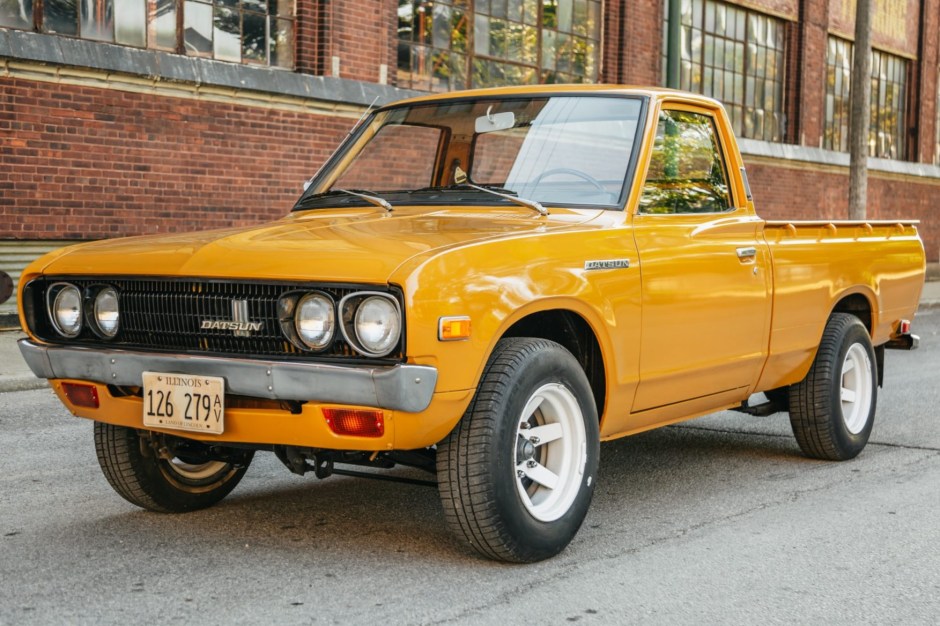
How one of the most daring name changes in automotive history turned a trusted badge into a worldwide identity.
By John Irungu Maina
For decades, the name Datsun was synonymous with Japanese motoring. From the streets of Tokyo to highways across North America, Europe and Africa, Datsun built a reputation for producing affordable, reliable and increasingly sophisticated cars. Models such as the 510, the Sunny, the Bluebird and the legendary 240Z gave the brand a devoted following, particularly in export markets far from its Japanese homeland.
Then Nissan made a decision that appeared almost unthinkable. It began removing the Datsun name from its cars.
This was not simply a badge replacement. It was a carefully planned move to bring a rapidly growing global company under one unified identity — a decision that would prove controversial at the time and defining in retrospect.
The story begins with an unusual arrangement that had grown up organically over the years. Nissan Motor Co. was the corporate name, while Datsun had become the name most customers encountered on its vehicles in many export markets. Inside Japan, however, Nissan was already the established automotive identity. For years, the two names coexisted without serious friction. As the company expanded internationally, though, that arrangement became increasingly difficult to sustain. Nissan wanted its corporate identity and its products to speak the same language across every market it operated in.
In 1981, the company announced its decision to phase out Datsun and establish Nissan as the unified global vehicle brand.
It was a bold call, because Datsun was neither an unknown nor a struggling name. Quite the opposite — Datsun had considerable recognition, especially in the United States, where its cars had earned a strong reputation for reliability, value and performance. The company was therefore making a deliberate choice to retire a name that was genuinely working for it.
The transition was gradual rather than abrupt. Vehicles continued to carry Datsun branding for several years, with Nissan increasingly appearing alongside it before eventually taking over entirely. For loyal customers, it meant watching a familiar badge disappear from cars they already trusted. But Nissan was thinking well beyond individual models.
The company was expanding its manufacturing operations overseas and building a much larger international presence. A single name would allow it to present itself consistently to customers, dealers and business partners anywhere in the world. The objective was straightforward: one company, one name, one global automotive identity.
Critically, the disappearance of the Datsun badge did not mean the disappearance of what had made Datsun successful. The cars continued. The technology continued. The engineering philosophy continued. The Z-car remained a cornerstone of the company’s performance heritage, while models such as the Sunny and Bluebird kept evolving, now bearing the Nissan nameplate. The name had changed, but the company’s automotive character had not. That continuity helped Nissan carry the trust built by Datsun into its new identity without the rupture that a more abrupt transition might have caused.
By the mid-1980s, the switch was largely complete in major markets. Datsun had effectively become history, and Nissan was becoming the name associated with the company’s expanding international portfolio.
The timing was significant. Japanese carmakers were moving rapidly from being primarily exporters to becoming genuinely global manufacturers, establishing production facilities outside Japan and bringing their operations closer to customers on every continent. The Nissan name therefore came to represent more than a corporate label. It became the face of a global automotive brand built on decades of accumulated engineering credibility.
There was, however, an unexpected second chapter. In 2013, Nissan revived the Datsun name for selected emerging markets, attempting to use the historic badge to attract customers seeking affordable new vehicles in countries such as India, Indonesia and Russia. The revival sparked genuine nostalgia among those who remembered the original era.
But it did not last. Nissan eventually discontinued the Datsun brand for the second time, bringing the experiment to a quiet close.
That second disappearance made the original decision look even more considered than it had at the time. What had begun as a controversial attempt to unify Nissan’s global identity had ultimately become the company’s settled, long-term direction. The brief Datsun revival suggested the old name still carried emotional weight — but it also confirmed that the future belonged firmly to Nissan.
Datsun had helped Nissan establish itself internationally, providing the foundation on which a global reputation was built. When Nissan chose to move on, it was not erasing that history. It was carrying it forward under a single, stronger identity capable of representing everything the company had grown into.
The Datsun badge disappeared, but its legacy remained embedded in the cars that followed. Today, the Nissan name is recognised across continents. Behind that identity lies a brand that once introduced itself to much of the world as Datsun.
The transformation holds an enduring lesson for any industry: sometimes a company must be willing to let go of a successful identity in order to build an even stronger one. Datsun built the foundation. Nissan took that foundation and turned it into something the world would come to know on its own terms.
It was not simply the end of Datsun. It was the beginning of Nissan as the world would come to know it.
Similar Posts by The Mt Kenya Times:
- Mt Kenya Times ePAPER October 8, 2026
- Nyoro suspended over pipeline IPO claims
- Kirigiti gets its first primary school as construction begins
- National Assembly approves Fatuma Ali for parliamentary commission
- The five types of teachers found in WhatsApp professional groups
About the Author