The Mt Kenya Times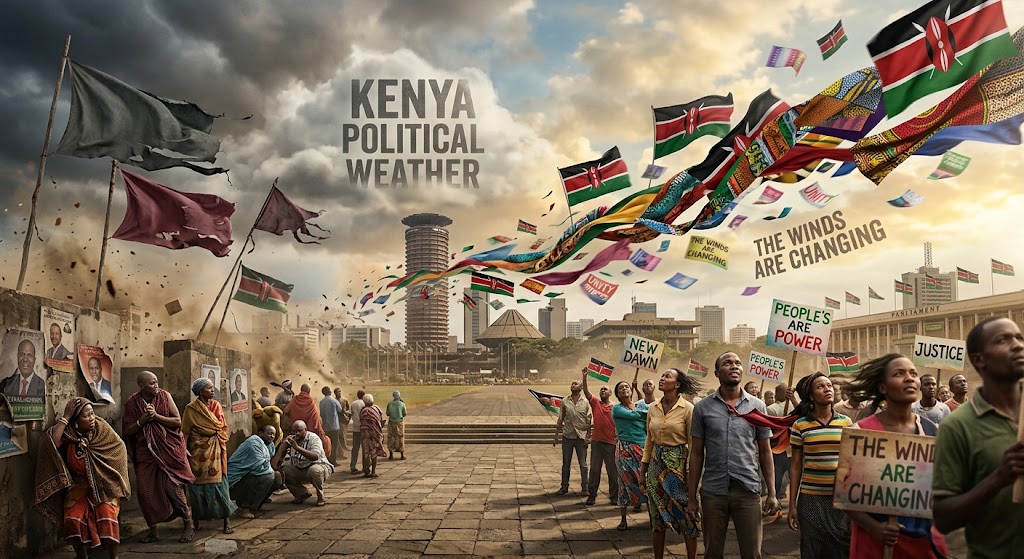
By Mr. Fredrick Kipchumba Chelimo – PWD
Email; fkipchelimo@yahoo.com
There is a moment before a storm when the sky has not yet darkened, yet something in the air tells experienced eyes that the weather is changing. The wind feels different. Conversations become more deliberate. People begin looking towards the horizon. Kenya has entered such a moment.
The country is not yet in the full intensity of the 2027 election, but politics is acquiring a different rhythm. The Independent Electoral and Boundaries Commission has published its election operation plan for the August 10, 2027 poll, while political parties are moving towards organisational decisions that will shape nominations and alliances. The electoral calendar is beginning to influence political behaviour.
This first edition of Kenya Political Weather is a weekly column intended to read those changes without becoming another political megaphone. Each week, we will examine claims, evidence, pressure points and what citizens should watch next, especially locally. We will not tell Kenyans whom to support. We will not mistake a rally for a constituency, a photograph for a coalition or a declaration for a programme.
The first pressure point is preparation. The IEBC timetable places the 2027 election firmly on the national calendar and sets milestones for parties, candidates and electoral administration. Party primaries are scheduled for 2027, while the formal campaign period will begin later in the year. What happens inside parties before those deadlines will matter because nominations are often where political competition becomes most immediate to ordinary voters.
For citizens, the coming months deserve attention. Who writes the nomination rules? Who participates in deciding them? Are internal processes transparent? How are disputes handled? Which communities, women, young people and persons with disabilities are genuinely represented? The Office of the Registrar of Political Parties describes party rules and internal procedures as fundamental to inclusive participation, accountability and responsible representation. Those principles deserve scrutiny before campaign trucks arrive.
The second pressure point is the county. Kenya’s political conversation is often excessively Nairobi-centred, yet much of the politics determining whether a household feels abandoned or heard happens in county governments. A road can determine whether a farmer reaches a market. A county hospital can determine whether a family receives treatment. A procurement decision can determine whether a young entrepreneur gets an opportunity. A disability programme can determine whether inclusion becomes real or remains an empty phrase. The counties are political weather stations, revealing where expectations rise and leadership is judged by delivery rather than rhetoric.
The third pressure point is trust. An election is ultimately a constitutional process, and that process requires confidence in institutions. The IEBC is already undertaking preparations for 2027, while questions around electoral technology, registration, administration and institutional credibility remain part of public debate. Such questions must be tested against evidence, not amplified as political fact. Confidence is built before election day through transparency, clear procedures and visible adherence to the law.
The most important pressure point is the household. Politics becomes real when the parent is calculating school fees, when the farmer is negotiating fertiliser prices, when a young graduate is searching for work, when a trader is trying to keep a business alive, or when a person with a disability asks whether inclusion exists beyond speeches and budget lines. This is where political language meets lived experience. That is why citizens should increasingly ask simple questions of complicated promises: Who benefited? What was delivered? Where is the evidence? What did it cost? Who was left out? What happens next? These are essential democratic questions.
The weeks ahead will provide plenty to watch. Parliament resumes scheduled business on September 29. Political parties are entering important organisational and nomination-related phases. Government will explain its record. Opposition formations will discuss their future configuration. Counties will remain arenas where national politics, local interests and development expectations intersect. None of these developments, by themselves, tells us how 2027 will unfold. They show that the political environment is becoming more consequential.
Our work will be neither prophecy nor propaganda. We will examine movements, follow evidence and listen beyond familiar political voices. Nairobi will matter, but so will every county where citizens experience government in practical terms. We will watch institutions, parties, counties and, above all, people.
Because political storms rarely arrive without warning. Pressure accumulates quietly. Alliances evolve. Institutions make decisions. Citizens change the questions they ask. Issues that appear peripheral today can become central tomorrow.
Some clouds will bring rain. Others will pass. Our responsibility is to watch carefully enough to know the difference.
Welcome to Kenya Political Weather. Every Monday, we will read the changing atmosphere—not to tell Kenyans what to think, but to help them see more clearly what is happening around them.
The weather is changing. The Kenyan citizen must keep watching the barometer closely, carefully.
Similar Posts by The Mt Kenya Times:
- Mbappé returns to Madrid for tests after knee tendon injury
- Wembley silenced: Spain beats England 3–2
- How students interact with AI is what matters
- Diaspora Times Global Sep 26 – Oct 2, 2026
- RS South Africa supports next-generation edge AI with NVIDIA Jetson Orin Nano 2
About the Author