Kwale Governor Fatuma Achani Faces Scrutiny Over Alleged Ksh 2 Million Payment To Council Of Governor’s
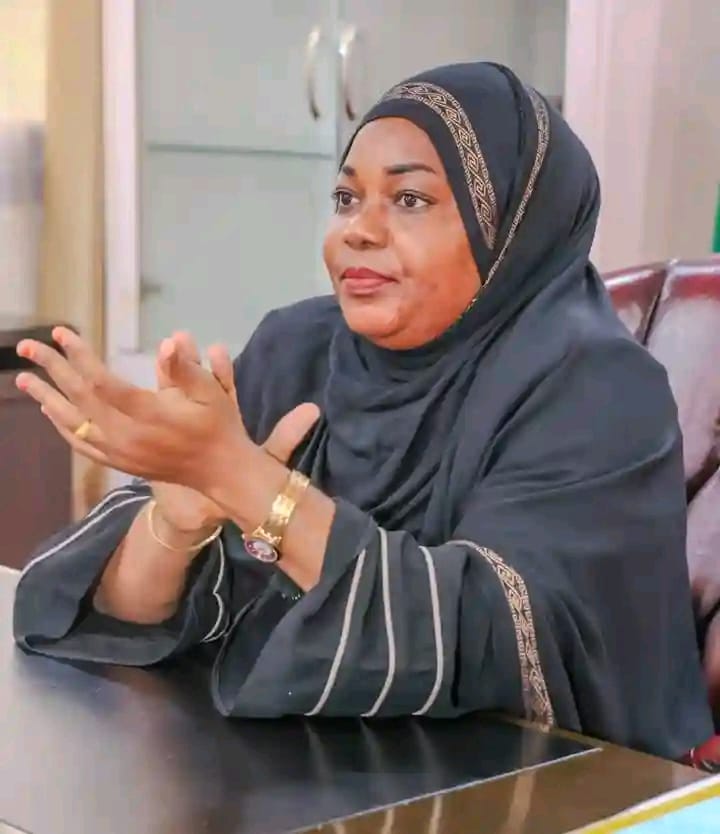
Kwale County Governor Fatuma Achani
By Athuman Said
Kwale County Governor Fatuma Achani is under public scrutiny following allegations of an unauthorized KSh2 million payment to the Council of Governors (CoG) for functional costs. This development has sparked debates on fiscal responsibility and transparency within the county’s administration. The controversy centers on a payment purportedly made by the Kwale County government to the CoG, an entity that coordinates activities among Kenya’s 47 county governments. Critics argue that the payment lacked proper authorization and question its necessity, especially given the county’s ongoing financial challenges.While specific details about the payment remain scarce, the issue has gained traction among civil society groups and residents who demand accountability and transparency in the county’s financial dealings.
Governor Achani’s administration has previously faced scrutiny over financial management. In November 2024, the Kwale County government denied allegations of misusing public funds, which critics claimed led to stalled projects. Projects cited included the Sh120 million Kombani Fresh Produce Wholesale Market and the Sh149 million Official Governor’s Residence, among others .
The Auditor General’s report for the financial year ending June 2022 highlighted concerns over stalled projects worth more than Sh581 million, including the construction of a governor’s residence and several road works . These projects were marred by procurement irregularities and contract terminations, leading to questions about the county’s fiscal discipline.
In response to the allegations, Kwale County’s Director of Communication, Nicky Gitonga, dismissed the claims as unfounded propaganda. He emphasized that the county implements projects in phases due to resource constraints and that delays should not be misconstrued as financial mismanagement .Regarding the stalled governor’s residence, Gitonga noted that the construction began in 2017 with an approved budget of Sh149 million. However, in 2020, the Salaries and Remuneration Commission capped spending on governor residences at Sh45 million, leading to a petition to the Senate and subsequent delays .
The alleged KSh2 million payment to the CoG raises broader questions about the financial autonomy and accountability of county governments in Kenya. Governors, including Achani, have previously called for clearer legal frameworks to guide financial operations. In July 2024, governors protested a plan by the National Treasury to slash county allocations by Sh5 billion, arguing that such moves undermine the spirit of devolution Furthermore, the issue of multiple bank accounts operated by counties has been a point of contention. Achani’s administration reportedly operates 213 bank accounts, a practice that has drawn criticism from the Auditor General for complicating audits and potentially obscuring financial accountability
The allegations have sparked public outcry, with residents and civil society organizations demanding transparency and accountability. There are calls for a thorough investigation into the payment and for the county government to provide detailed explanations for its financial decisions. Local leaders have also weighed in on the matter. Kinondo Ward MCA Juma Maone urged residents to give their leaders time to work, explaining that their choices were made for the sake of development . However, leaders from the Azimio faction in Kwale criticized Achani and the MPs who supported the finance bill, suggesting that their actions were motivated by personal interests .
As the controversy unfolds, the spotlight remains on Governor Achani’s administration to address the allegations transparently. The situation underscores the importance of clear financial regulations and accountability mechanisms within county governments to ensure public trust and the effective use of resources.
Similar Posts by The Mt Kenya Times:
- Mt Kenya Times ePAPER September 19-20, 2026
- Kenya joins US and UK to put citizens on the terrorism frontline
- Kenya’s parliament races to tame the AI frontier
- Kalonzo calls Ruto to order over Uhuru attacks
- Gachagua takes his 2027 campaign to America
About the Author