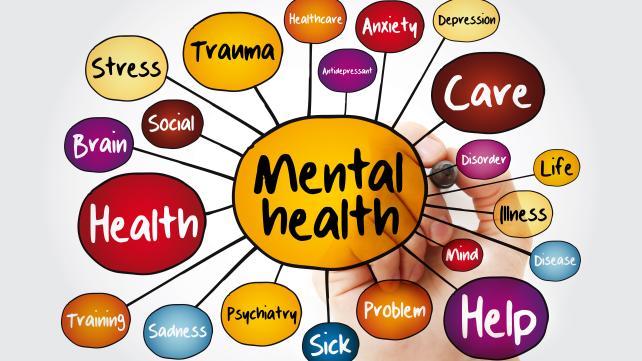

Mental health is a universal human right. This emphasizes the need to respect, protect, and fulfill the right of everyone to the highest attainable standard of mental health, regardless of their age, gender,
Mental health is a basic human right for all people, but it is often neglected, stigmatized, or violated in many parts of the world. In Kenya, mental health disorders are a major public health concern, affecting millions of people across the country. According to the World Health Organization (WHO), Kenya has a bed capacity of 1,600 for mental health care, but 1.9 million people suffer from depression alone. Depression and anxiety are the leading mental health illnesses in Kenya, followed by substance use disorders. The COVID-19 pandemic has also worsened the situation, as many people have experienced stress, isolation, grief, and trauma due to the health and socio-economic impacts of the crisis.
The Kenya Mental Health Policy (2015-2030) provides a framework for addressing the mental health challenges in the country, in line with the Constitution of Kenya 2010, Vision 2030, the Kenya Health Policy (2014-2030), and the Global Comprehensive Mental Health Action Plan 2013-20201. The policy aims to improve access to quality mental health care, promote mental well-being, prevent mental disorders, and protect the rights of people with mental health conditions. However, the policy implementation has been slow and inadequate, due to various factors such as lack of funding, human resources, infrastructure, coordination, awareness, and advocacy.
This is why we need to get involved in Mental Health and beyond. We need to join our voices and efforts to demand more action and investment in mental health from the government and other stakeholders. We need to support the work of civil society organizations, that are advocating for mental health reforms and providing services to people in need. We need to educate ourselves and others about mental health issues and how to cope with them. We need to challenge the negative stereotypes and discrimination that surround mental health and create a culture of acceptance and inclusion. We need to reach out to our friends, family members, colleagues, and neighbors who may be struggling with their mental health and offer them our compassion and support.
Mental health is a universal human right that we all deserve. Let us make it a reality for ourselves and others. Let us make mental health a priority agenda in Kenya. Let us move for mental health.
Leticia Afandi-Youth Advocate For Naya Kenya.(afandileticia4@gmail.com)
Similar Posts by The Mt Kenya Times:
- 89 junior golfers chase glory at NCBA Lisle Shaw Championship
- Scaloni set to stay: Argentina coach to sign 2030 World Cup deal
- Mt Kenya Times ePAPER October 22, 2026
- Ruto heads to Harare for COMESA summit on trade and regional security
- Mudavadi and Wetangula walk out as Sifuna speaks at Nabwera memorial
About the Author