Linda Mwananchi Movement: The brand that could reshape Ruto’s path to 2027

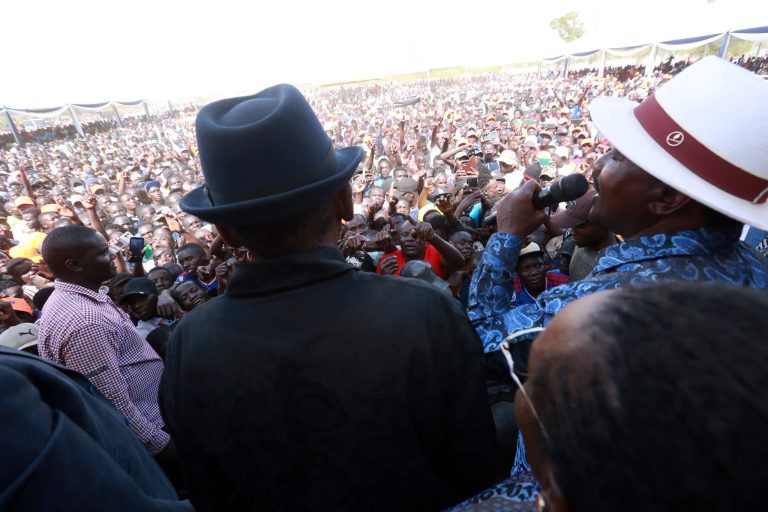
Edwin Sifuna with Mama Ida Odinga
A viral party name, a youth-focused senator and a formal gazettement process have handed Kenya’s fractured opposition its most potent political weapon in years
By James Mwangi
The Office of the Registrar of Political Parties yesterday began the formal gazettement process to rename The Equitable Party as the Linda Mwananchi Movement, a procedural step that carries consequences far larger than a change of name on an official register.
The Registrar of Political Parties, John Lorionokou, confirmed in a letter dated 13 October 2026 that his office had reviewed documents submitted by the party on 8 October and had commenced the gazettement process under Section 20(1)(d) of the Political Parties Act. The submitted documents included a resolution by the party’s National Executive Committee approving the name change, statutory Form PP.10, a signed attendance list from the NEC meeting and evidence that the proposed change had been published in the Daily Nation on 10 October and on the party’s official website. The Registrar directed the party to submit details of any public representations received after the mandatory 14-day publication period expires, and to demonstrate how those representations have been addressed, in line with Section 20(4) of the Act.
The formalities are straightforward. The politics are not.
The Linda Mwananchi Movement is associated with Nairobi Senator Edwin Sifuna, Embakasi East MP Babu Owino and Siaya Governor James Orengo, among other leaders who have broken from ODM’s accommodation with President William Ruto’s administration. The name itself — which translates directly as “protect the citizen” — is not a coincidence. It is a political calculation of considerable sophistication, designed to resonate immediately with the constituencies that feel most acutely the weight of Kenya’s cost-of-living crisis: the urban working poor, the unemployed graduate, the market trader absorbing fuel price increases and the matatu passenger facing higher fares every time EPRA revises the pump price upward.
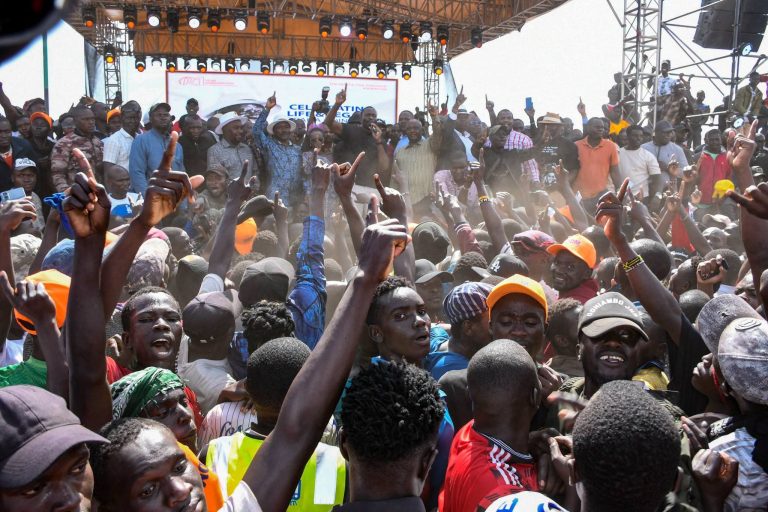
In a country where political branding has historically been built around ethnic arithmetic and regional strongholds, the Linda Mwananchi name attempts something different. It makes an appeal that is transactional in the most direct sense — not “vote for us because of who we are” but “vote for us because of what we will do for you.” Whether the movement can sustain that promise through the machinery of an actual campaign is a separate question. But the name alone has demonstrated an organic reach that money cannot easily manufacture.
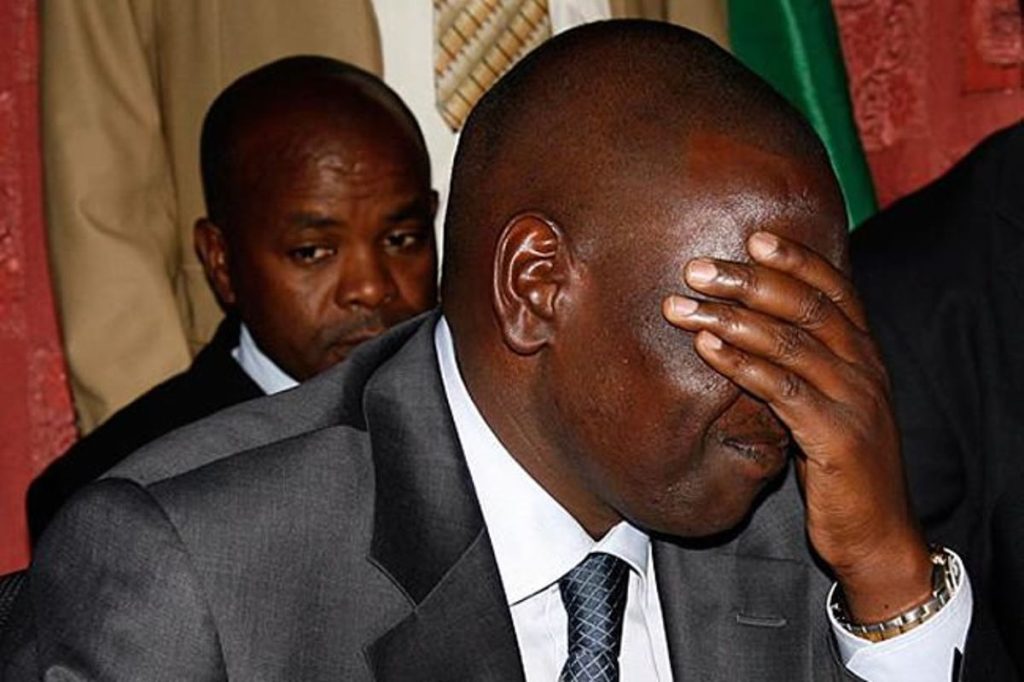
For President Ruto, the gazettement of Linda Mwananchi as a formal political entity represents a more serious challenge than the various opposition movements that have preceded it, precisely because of what Sifuna brings to it. The Nairobi senator has cultivated a political persona that operates across boundaries that most Kenyan politicians cannot cross. He is combative enough for the streets, articulate enough for the universities, irreverent enough for social media and disciplined enough, when it matters, for parliamentary procedure. That combination is rare, and in the compressed digital landscape of Kenya’s under-35 population — which constitutes the majority of registered voters — it is genuinely dangerous to an incumbent.
Ruto’s 2027 challenge is already more complicated than his 2022 victory suggested it would be. The hustler narrative that carried him to State House was built on a promise of economic transformation for ordinary Kenyans. Three years into his administration, fuel prices have risen sharply, the cost of living remains punishing and youth unemployment continues at levels that the government’s own economic data struggles to flatter. The Linda Mwananchi name lands directly on that gap between promise and delivery, and Sifuna has shown a consistent willingness to press that wound in language that young Kenyans understand and share.
The movement’s appeal to youth is not simply rhetorical. Owino, who has built one of Kenya’s most energetic grassroots political networks in Embakasi East, brings organisational infrastructure. Orengo brings constitutional credibility and the respect of civil society. Sifuna brings the digital presence and the youth following. Together, they represent a coalition that is less dependent on ethnic mobilisation than most Kenyan opposition formations and more reliant on issue-based persuasion — which is either their greatest strength or their greatest vulnerability, depending on how the 2027 campaign develops.
The formal registration process matters because it transforms what has been a movement into an institution. A registered party can field candidates, access public financing of political parties, open bank accounts, establish county structures and build the administrative machinery that converts popular sentiment into actual votes. The 14-day public representation period required by the Political Parties Act is largely procedural, but its conclusion will mark a significant moment: the point at which Linda Mwananchi ceases to be a slogan and becomes a legal political actor.
Ruto’s camp has not publicly responded to the gazettement with alarm. The public posture from ODM’s embedded leadership — exemplified most recently by Energy Cabinet Secretary Opiyo Wandayi’s extraordinary claim at Raila Odinga’s Bondo memorial that the President would secure 100 per cent of Siaya County’s votes in 2027 — is one of confidence bordering on dismissiveness. But confidence in Kenyan politics has a habit of curdling when the campaign season begins in earnest and the ground shifts beneath the projections of those who assumed the electorate would behave as it always had.
The more perceptive reading of the Linda Mwananchi registration is that it forces Ruto to fight a 2027 election on at least two fronts simultaneously: the traditional contest over ethnic bloc consolidation and regional deals, and a newer, less predictable contest over economic narrative and youth mobilisation. The second front is the one his administration is least equipped to win on current form.
A party name that spreads like wildfire on social media does not win elections by itself. Structures, candidates, financing and ground organisation are what convert momentum into parliamentary seats and presidential votes. Linda Mwananchi has the name. The next fourteen months will determine whether it can build everything else in time.
Kenya’s 2027 election just got a new and unpredictable variable. William Ruto’s team would be wise to take it seriously.
Similar Posts by The Mt Kenya Times:
- Mt Kenya Times ePAPER October 16, 2026
- Oburu marks birthday and brother’s death from Nairobi Hospital bed
- Natembeya and Orengo demand answers over security withdrawal
- ODM and Linda Mwananchi clash at Raila’s Bondo memorial
- Kenya’s opposition fractures at Raila’s memorial
About the Author