The Mt Kenya Times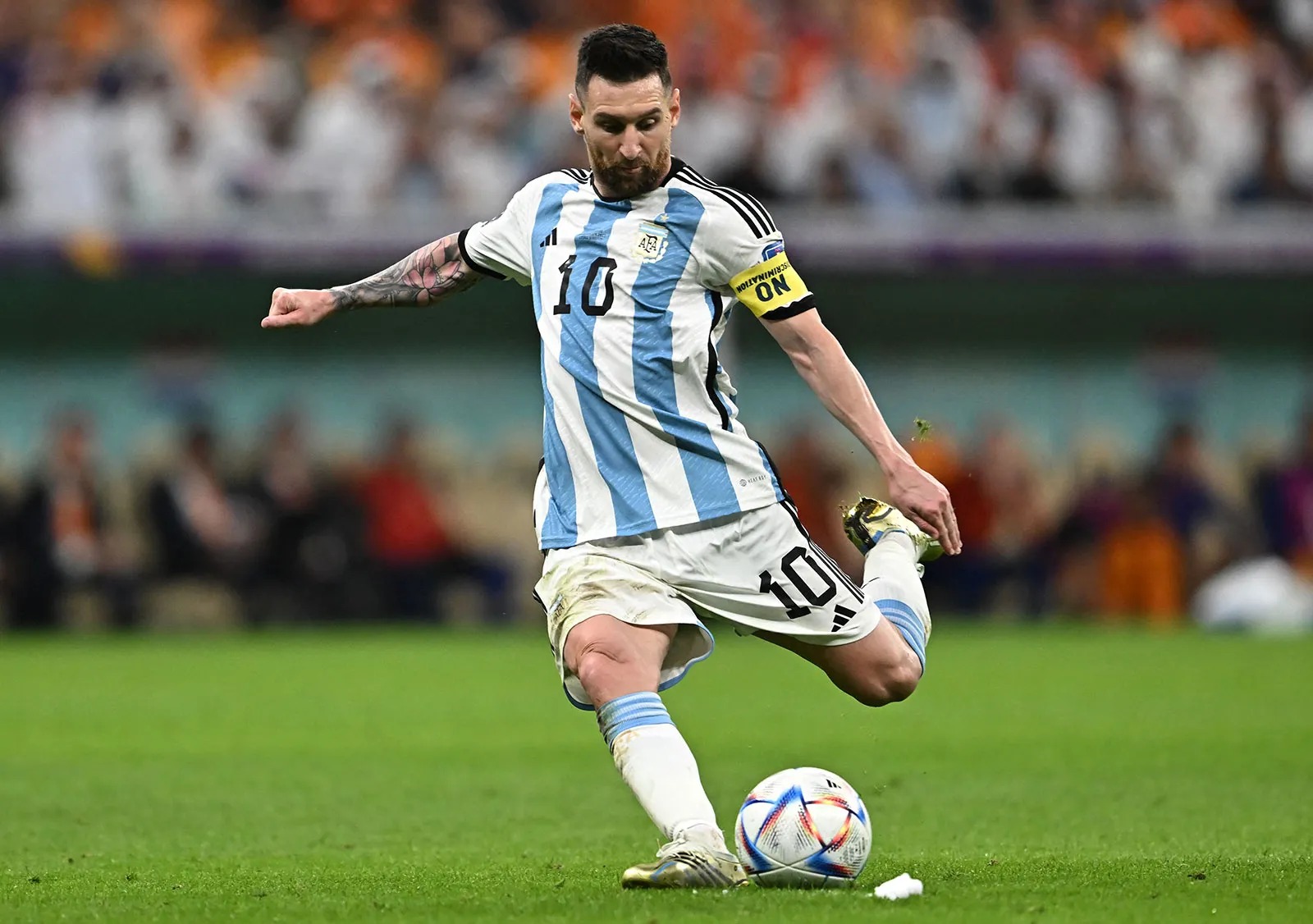
Lionel Messi
At 38, the greatest of all time is not done yet — and neither is Argentina.
By Norman Mwale
Lionel Messi will captain Argentina at the 2026 FIFA World Cup after coach Lionel Scaloni named him in a 26-man squad on Thursday, confirming the 38-year-old for a record sixth tournament appearance and putting him at the heart of the defending champions’ bid to retain the title on North American soil.
There are moments in sport when a single name on a team sheet carries the weight of an entire nation’s hopes. This was one of them. When the Argentine Football Association released the squad on 28 May, the question everyone had been quietly asking for weeks was finally answered: Messi is going to the World Cup. Again. For the sixth time. At an age when most footballers have long since hung up their boots, the man who has defined this generation of the sport is preparing to walk out at another tournament, captain’s armband on his arm, a nation behind him, and history in his sights.
Should he feature in all of Argentina’s matches, Messi will become the first men’s player to appear in six World Cups, equalling the mark set by Portugal’s Cristiano Ronaldo. It is the kind of statistical milestone that would feel extraordinary attached to anyone else. For Messi, it is simply the next chapter.
His inclusion had been far from certain. In the weeks leading up to the squad announcement, Messi suffered muscle fatigue in his left hamstring while playing for Inter Miami, forcing him off in the 73rd minute of his final club appearance before the tournament. Inter Miami confirmed that further tests pointed to an overload caused by fatigue, with his availability for the early stages of the World Cup dependent on clinical progress. For a man who turns 39 during the tournament, the concern was not merely tactical — it was existential. Would his body allow him one more run at the biggest stage in football?
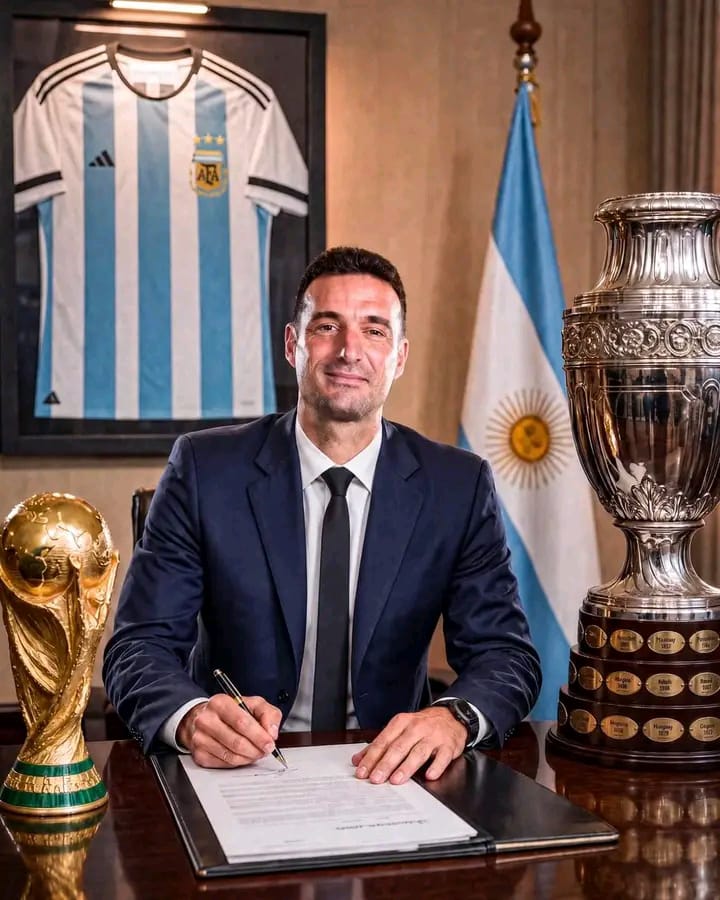
Scaloni never wavered. “It’s a question that’s more for him, but for my part you already know what I think,” the coach said at a news conference in March. “I’ll do everything possible for him to be there.” He was as good as his word.
The squad itself reflects a careful balance of the tried, the trusted, and the emerging. Seventeen members of the Qatar 2022 winning side return, including goalkeeper Emiliano Martínez, defender Nicolás Otamendi, and midfielders Rodrigo De Paul, Alexis Mac Allister, and Enzo Fernández. Strikers Julián Álvarez and Lautaro Martínez are also back, giving Argentina one of the most potent attacking combinations in world football. Alongside the familiar names, Scaloni has made room for younger talent — Valentín Barco, Nicolás Paz, and Giuliano Simeone among them — signalling that this squad is being built not just for 2026 but for the years beyond.
Notable absentees include Ángel Di María, who retired from international football following the 2024 Copa América, and left back Marcos Acuña, who missed out due to fitness concerns. Their absence closes a chapter, but does little to diminish the quality at Scaloni’s disposal.
Argentina open their Group J campaign on 16 June against Algeria at Arrowhead Stadium in Kansas City, before facing Austria and then Jordan in Dallas. They do so as defending champions and, in the eyes of many, as favourites — in the first ever 48-team World Cup, co-hosted across the United States, Canada, and Mexico.
For Messi, this is the final act. For Argentina, it is a chance to make history twice. The world will be watching.
Similar Posts by The Mt Kenya Times:
- Mt Kenya Times ePAPER October 24-25, 2026
- Muturi calls on IEBC to keep election technology tender clean and on schedule
- Ruto meets UAE minister in push to deepen trade ties
- Gideon Moi breaks silence on Ruto fallout, cites broken promises
- The doctor who refused to abandon a sick Uganda
About the Author