The forgotten identity: Is Kenya doing enough to preserve Sengwer culture?
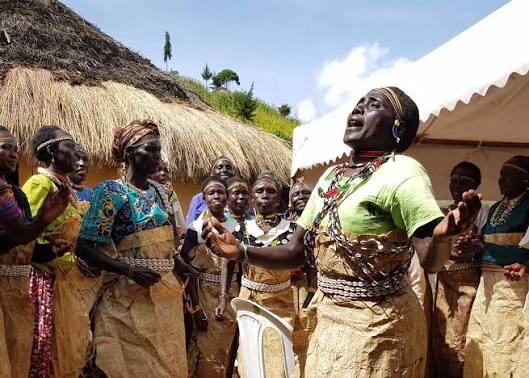
A community’s heritage is not measured by its political influence or economic power — it is measured by what survives when no one is paying attention
By Collins Kibet
A community’s identity is not defined by its population size, political clout or economic standing. It is defined by something quieter and more difficult to protect: its history, its language, the stories its elders carry in their memories, and the knowledge passed with care from one generation to the next. For the Sengwer community of Kenya’s North Rift, that definition is being tested. In a country that celebrates both national unity and cultural diversity, a harder question is beginning to demand an honest answer: is Kenya doing enough to ensure that the Sengwer’s distinctive heritage survives the combined pressures of modernisation, displacement and official indifference?
The Sengwer are an indigenous community historically rooted in the Cherangany Hills and surrounding areas, primarily within Elgeyo Marakwet County and its neighbours. Their identity is inseparable from ancestral land, oral histories, traditional ecological knowledge and community practices refined across many generations. They are among Kenya’s smaller indigenous groups, which means they receive proportionally less institutional attention, fewer resources directed at cultural documentation, and a quieter voice in national conversations about heritage and belonging. Like many communities in similar positions across the continent, the Sengwer now face a convergence of challenges that makes cultural preservation both more urgent and more difficult than at any previous point in their history.
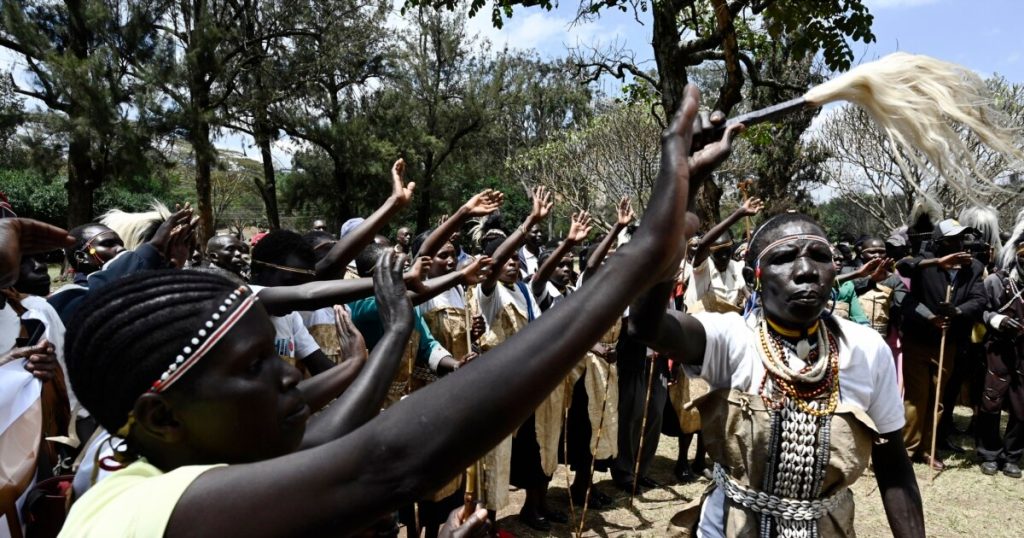
Culture, it is worth saying plainly, is more than the ceremonial clothing and performances displayed during national holidays. It is a community’s collective memory — the accumulated weight of values, relationships, knowledge systems and ways of understanding the world that distinguish one people from another. Within the Sengwer community, elders carry this memory. They are the living repositories of historical knowledge, ancestral stories and traditional practice. When the connection between elders and younger generations weakens, that knowledge does not simply become harder to access. In many cases, it disappears entirely. The loss of a language, a story or a traditional practice is permanent in a way that the loss of a building or a crop is not. There is no reconstruction possible once the last keeper of a piece of knowledge is gone.
That loss is happening, quietly, in communities across Kenya — including among the Sengwer. The growing distance between young people and traditional knowledge is not, in itself, a sign of cultural betrayal. Modern education, technology, social media and urban opportunity have transformed how young Kenyans communicate and build their lives, and those transformations carry genuine benefits. The danger arises not from modernity itself but from the false choice it sometimes presents: the idea that to succeed in the modern world, one must leave one’s heritage behind. A young Sengwer student pursuing a degree in engineering, medicine or technology should not have to feel that academic ambition and cultural identity are in competition. They are not — or they should not be.
The real question is not whether the Sengwer should embrace development. Of course they should. The question is whether Kenya’s institutions — its schools, its county governments, its cultural agencies, its research universities — are doing enough to ensure that development and cultural continuity can proceed together rather than at each other’s expense.
Education is the most obvious place to start. Schools should do more than prepare students for examinations and the formal job market. They should help learners understand where they come from — the histories, contributions and living traditions of the communities that shaped them. In practice, this means creating space within curricula for local heritage, facilitating collaboration between educators and community elders, and supporting the documentation of oral histories before the people who hold them are no longer alive to share them. These are not expensive ambitions. They require political will and institutional seriousness more than large budgets.
Language preservation demands equal urgency. A language is not merely a communication tool. It encodes a community’s relationship with its environment, its history and its understanding of human experience. When children grow up without meaningful exposure to their ancestral language, fluency fades within a generation and disappears within two. Families have a role here — encouraging children to spend time with grandparents, to listen, to ask questions. But community organisations, county cultural offices and national institutions must also invest in practical resources: recorded oral histories, community dictionaries, storytelling archives and educational materials developed with the full participation and consent of Sengwer knowledge holders.
The land question cannot be separated from the cultural one. For the Sengwer, as for many indigenous communities across Kenya and the wider continent, land is not primarily an economic asset. It is the physical foundation of cultural memory, traditional livelihood and intergenerational identity. The Sengwer’s long and painful relationship with the Cherangany Hills — marked by evictions, displacement and an ongoing struggle for recognition of their rights — illustrates why conservation policy cannot be designed as though indigenous communities are obstacles rather than stakeholders. Protecting forests and respecting the rights of the people historically connected to them are not mutually exclusive objectives. They require genuine consultation, legal respect and a willingness to share decision-making rather than impose it.
Responsibility, however, does not belong to the government alone. The Sengwer community itself — its elders, parents, teachers, youth and cultural organisations — must be active participants in their own preservation. Young Sengwer people with access to smartphones and digital platforms have tools available to them that previous generations never had: the ability to record, store and share stories at scale, to build online communities of cultural practice, and to connect with researchers and institutions who can support documentation efforts. That potential should be harnessed deliberately and with proper community oversight, ensuring that cultural knowledge is shared on the community’s terms and not extracted for others’ benefit.
Kenya must confront what it actually means to celebrate cultural diversity. A nation that allows its smaller voices to fade into silence impoverishes its own history. The Sengwer story must not become a museum exhibit or a footnote. It must continue to be lived, taught and passed with pride from one generation to the next.
Similar Posts by The Mt Kenya Times:
- PS Isaboke lauds digital literacy programme in Kisii as 332 schools benefit
- “‘रूह से रू-ब-रू’”: The World of Emotions in Bharti Raina’s Poems and Ghazals
- Kinity warns Gen Z: Slogans alone will not save Kenya
- Cledun Realtors recognised for opening land ownership to Kenyans abroad
- Marnju Tiles named best in East Africa at Starbrands awards
About the Author