

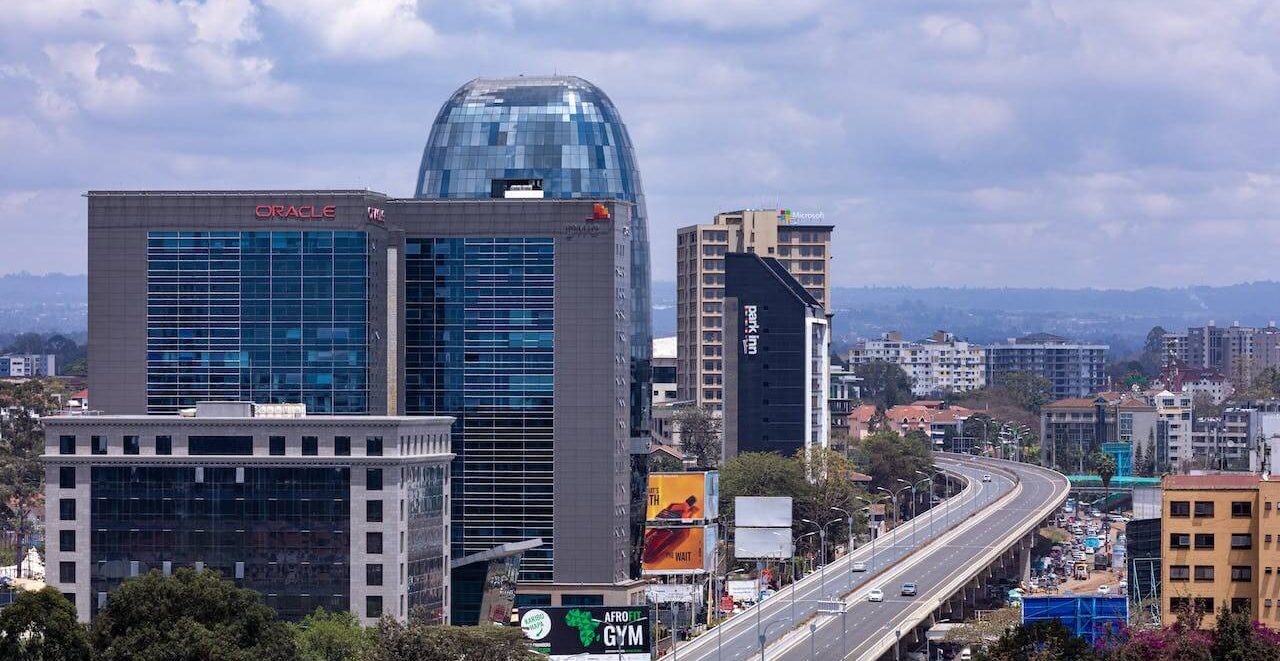
The concept of smart cities is reshaping urban life in Kenya through innovative technologies and sustainable practices.
By: Midmark Onsongo
Worth Noting:
- At the heart of this transformation lies the role of technology as a catalyst for change. From smart grids that optimize energy consumption to intelligent transportation systems that alleviate traffic congestion, the advancements in urban technology echo a symphony of progress.
- The City of Nairobi has partnered with tech firms to deploy smart traffic management systems, utilizing real-time data to optimize flow and reduce emissions. The alliteration of “smart” and “sustainable” encapsulates the essence of this movement—urban spaces that are not only technologically advanced but also environmentally responsible.
- However, this progress prompts a rhetorical question: will the benefits of smart technology reach all corners of society, or will they create a new digital divide?
As the sun rises over the bustling metropolis of Nairobi, the city awakens to the hum of possibility, a dynamic tapestry woven from the threads of technology, society, and sustainability. The emergence of smart cities in Kenya symbolizes a metamorphosis—an evolution that promises to revolutionize urban living. In a country where over 26% of the population resides in urban areas, and this figure continues to climb, the intersection of these elements is not merely a vision but an urgent necessity.
The irony is stark: while urban centers pulse with the vibrancy of human endeavor, they also bear the burdens of congestion, pollution, and inadequate infrastructure. Can technology truly be the salve for these urban ailments, or will it merely mask deeper societal issues? The metaphor of a phoenix rising from the ashes encapsulates the potential of smart cities in Kenya.
Imagine a landscape where innovative technologies seamlessly integrate into daily life, enhancing efficiency and sustainability. This vision is not merely a dream but is being actively pursued through initiatives like the Nairobi Smart City Project, which seeks to harness the power of information and communication technology (ICT) to improve urban services.
With Kenya being a trailblazer in mobile technology—evident in the success of M-Pesa—there exists an untapped reservoir of ingenuity that can propel smart city initiatives forward. The juxtaposition of innovation against the backdrop of traditional urban challenges beckons us to explore the possibilities.
At the heart of this transformation lies the role of technology as a catalyst for change. From smart grids that optimize energy consumption to intelligent transportation systems that alleviate traffic congestion, the advancements in urban technology echo a symphony of progress.
The City of Nairobi has partnered with tech firms to deploy smart traffic management systems, utilizing real-time data to optimize flow and reduce emissions. The alliteration of “smart” and “sustainable” encapsulates the essence of this movement—urban spaces that are not only technologically advanced but also environmentally responsible.
However, this progress prompts a rhetorical question: will the benefits of smart technology reach all corners of society, or will they create a new digital divide? To ensure inclusivity, the ethos of community engagement must be woven into the fabric of smart city initiatives.
The involvement of local residents in decision-making processes fosters a sense of ownership, creating a platform for dialogue between government, private sector, and citizens. The Kasarani Housing Project, for instance, exemplifies this approach, providing affordable housing integrated with smart technologies that enhance energy efficiency and resource management. The paradox of affordability versus innovation arises here, as communities seek modern amenities without breaking the bank.
In this regard, urban planners must act as stewards, guiding the development of smart cities in ways that respect local contexts while embracing innovation. Moreover, the symbolism of sustainability must resonate throughout the design of smart cities.
As we confront the looming threat of climate change, it becomes imperative to adopt practices that mitigate environmental impacts. The implementation of green roofs, rainwater harvesting systems, and urban gardens not only enhances the aesthetic appeal of urban spaces but also contributes to biodiversity and food security.
The personification of cities as living entities reinforces the notion that urban areas can thrive through a harmonious relationship with nature. For instance, the Green Nairobi Initiative aims to plant over 10 million trees by 2030, turning Nairobi into a green city—a vision that marries sustainability with urban development.
However, the journey toward smart cities is not without its challenges. The antithesis of progress and resistance often plays out in the form of bureaucratic hurdles, lack of funding, and outdated regulations. The Nairobi City County’s efforts to establish a smart waste management system have faced delays due to fragmented governance and inadequate infrastructure.
The metaphor of a ship navigating treacherous waters captures the complexities of steering urban initiatives amid political tides and economic uncertainties. Nevertheless, the importance of strategic partnerships between the government, private sector, and civil society cannot be overstated. By pooling resources and expertise, stakeholders can foster an environment conducive to innovation and sustainable development.
Furthermore, the role of education and capacity building cannot be overlooked in the transition to smart cities. Empowering citizens with digital literacy equips them to engage meaningfully in the transformation process. Initiatives like the Digital Literacy Program, launched by the Kenyan government, aim to bridge the knowledge gap and promote skills essential for thriving in a smart urban environment.
The allusion to the adage “knowledge is power” underscores the necessity of equipping communities with the tools they need to navigate this new urban reality. As we look to the future, the concept of smart cities in Kenya embodies the convergence of technology, society, and sustainability.
The drive to create urban environments that are efficient, inclusive, and resilient reflects the aspirations of a nation eager to embrace progress while honoring its cultural heritage. The antanagoge of challenges and opportunities presents a compelling narrative: while obstacles abound, the potential for transformative change remains within reach.
By prioritizing investments in technology, engaging communities, and fostering partnerships, Kenya can cultivate smart cities that enhance quality of life and serve as a model for sustainable urban development.
The metamorphosis of Kenyan urban landscapes into smart cities stands as a testament to the power of innovation in addressing contemporary challenges. As the nation navigates the complexities of urbanization, it must remain steadfast in its commitment to fostering inclusive and sustainable communities.
The promise of smart cities offers a glimmer of hope—a future where technology, society, and sustainability coalesce to create vibrant urban spaces that honor the past while embracing the future. The time to act is now, for as the sun rises over Kenya’s urban centers, so too must we rise to meet the challenges and opportunities that lie ahead, forging a path toward a sustainable and prosperous tomorrow.
This article was scripted by;
MIDMARK ONSONGO, SGS
(Socio-Geographic Scholar)
 Mt Kenya Times
  Elizabeth Angira