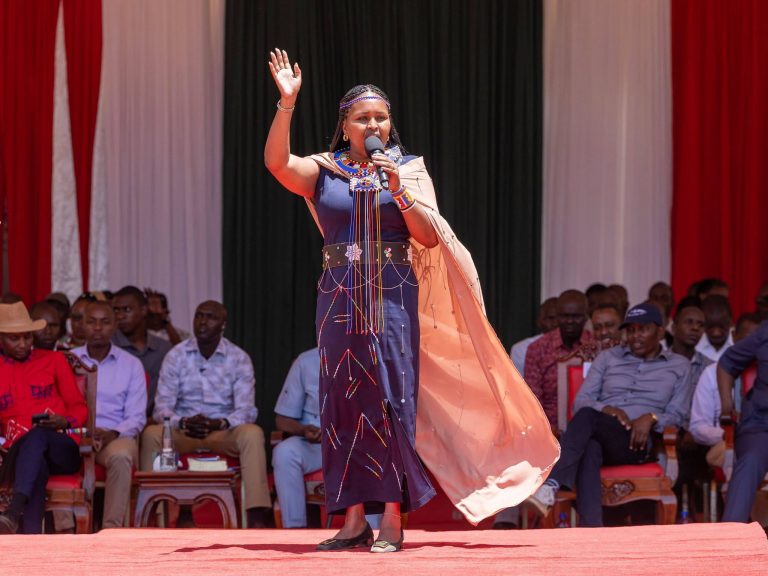
The Spirit of Sifuna: The Third and Final Revolution of Kenya’s Gen Z and Millenials
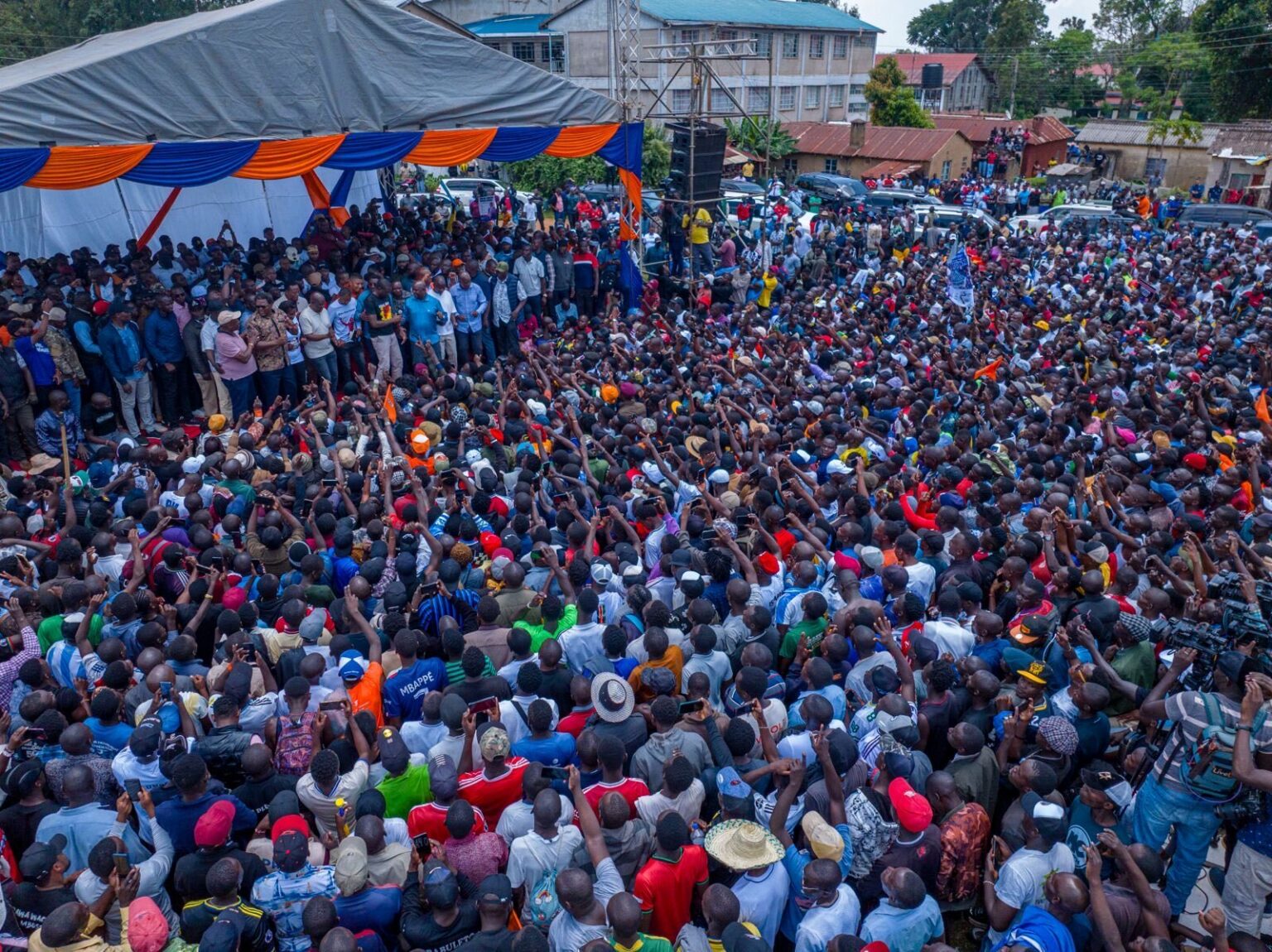
The Kakamega rally at Amalemba grounds
By: David Kimani
A New Fire in Kenya’s Politics
Kenya’s political landscape is once again trembling under the weight of youthful defiance. The aborted Gen Z and millennial uprising of 2024–25, which briefly shook the foundations of President William Ruto’s administration, seemed destined to fade into memory. Yet in Kakamega, amid teargas, barricades, and state intimidation, Edwin Sifuna has emerged as the embodiment of a spirit that refuses to die. His rally at Amalemba grounds was not merely another opposition gathering—it was a declaration that the third and final revolution of Kenya’s Gen Z is alive, and that it carries the power to redefine the nation’s political destiny.
Kakamega Rally: Defiance in the Face of Teargas
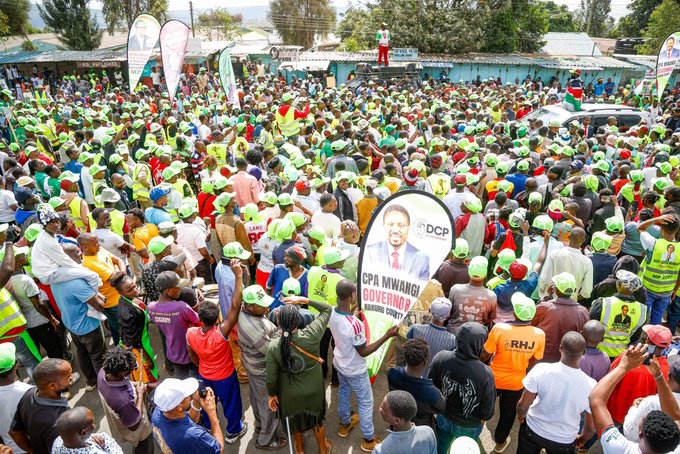
The Kakamega rally at Amalemba grounds was a vivid illustration of defiance meeting repression. Even before Edwin Sifuna and his convoy arrived, teargas canisters were lobbed into the venue, scattering early attendees and creating a tense atmosphere. Yet the crowd regrouped, determined to hear their leaders. The rally drew a sea of humanity, with supporters lining the streets, chanting slogans, and waving party flags. The anthem “Jeshi la Baba” reverberated across Kakamega town, transforming the gathering into a spectacle of youthful energy and political defiance.
Sifuna’s speech was interrupted by clouds of teargas, but he refused to yield. “This meeting will not be disrupted as they did in Kitengela. We will extinguish it like bhang in prison,” he declared, urging supporters to remain calm and avoid retaliation. His insistence that the rally continue despite police pushback symbolized the resilience of Kenya’s Gen Z movement.
Kitengela Mayhem: A Prelude to Kakamega

Just days earlier, Kitengela had witnessed similar chaos. Police fired teargas and live bullets into a peaceful gathering, leaving one young man dead. The rally ended abruptly, with leaders forced to leave as supporters dispersed. Sifuna condemned the heavy-handed response, vowing to pursue justice for Vincent Ayomo, the victim of the violence. “We will pursue justice for his family and ensure those responsible for his death are held accountable,” he said. Kitengela became a rallying cry, a reminder of the risks of defiance and the costs borne by ordinary citizens.
The contrast between Kitengela and Kakamega was stark. In Kitengela, the rally collapsed under state violence. In Kakamega, despite similar tactics, the crowd refused to fold. This persistence marked a turning point, signaling that the aborted Gen Z revolution of 2024–25 had found new life in Sifuna’s defiance.
Speeches by ODM Leaders: A Chorus of Resistance
The Kakamega rally was not just about Sifuna. It was a collective chorus of resistance from ODM stalwarts and allied leaders.
- James Orengo, Siaya Governor, spoke with his trademark gravitas, reminding the crowd of Kenya’s long history of struggle against authoritarianism. He framed the rally as part of a continuum of resistance, linking Gen Z’s defiance to past battles for democracy.
- Babu Owino, Nairobi MP, electrified the crowd with fiery rhetoric. He positioned the youth as the vanguard of change, declaring that “the future belongs to those who refuse to be silenced.” His speech blended humor, defiance, and urgency, resonating with younger supporters.
- Caleb Amisi, Saboti MP, emphasized economic grievances, pointing to unemployment and taxation as catalysts of youth anger. He argued that the government’s policies had betrayed the promise of opportunity, fueling discontent that rallies like Kakamega sought to channel.
- Caroli Omondi, Suba South MP, added a pragmatic dimension, urging the movement to remain disciplined and organized. He warned against provocation and violence, insisting that legitimacy lay in peaceful defiance.
- Majimbo Kalasinga, Kabuchai MP, spoke to regional solidarity, highlighting Western Kenya’s role in national politics and its readiness to stand with Gen Z in demanding accountability.
- Godfrey Osotsi, Vihiga Senator, reinforced the message of persistence, reminding the crowd that repression was not new and that past struggles had always required resilience.
Together, these speeches formed a tapestry of resistance: historical memory, youthful energy, economic critique, pragmatic discipline, regional solidarity, and resilience. The diversity of voices underscored that the spirit of Sifuna was not solitary but collective, anchored in a broader movement of leaders and citizens.
Comprehensive Analysis: Kakamega vs. Kitengela
The Kakamega and Kitengela rallies illustrate two sides of Kenya’s current political moment. Kitengela exposed the brutality of state repression, with violence cutting short a peaceful assembly and leaving casualties. Kakamega, by contrast, revealed the resilience of the movement, with supporters regrouping despite teargas and leaders insisting the rally continue.
The difference lies in persistence. Kitengela showed vulnerability; Kakamega demonstrated endurance. Together, they form a narrative arc: the aborted revolution of 2024–25 faltered under repression, but the spirit of Sifuna has revived it, transforming vulnerability into resilience.
The speeches at Kakamega reinforced this transformation. Orengo’s historical framing, Babu Owino’s youthful fire, Amisi’s economic critique, Omondi’s pragmatic discipline, Kalasinga’s regional solidarity, and Osotsi’s resilience combined to create a comprehensive message: the Gen Z revolution is not just about outrage—it is about persistence, organization, and transformation.
The Aborted Revolution of 2024–25
The aborted revolution of 2024–25 was a paradox. It began with spontaneous protests against taxation, corruption, and economic exclusion, drawing tens of thousands of young Kenyans into the streets. For a moment, it seemed unstoppable. But state repression, fatigue, and fragmented leadership blunted its momentum. Analysts at the African Centre for Governance noted that “the Gen Z protests were unprecedented in scale but lacked a unifying figure to channel their energy into sustained political change.” That vacuum is now being filled by Sifuna, whose defiance in Kakamega has crystallized the frustrations of a generation into a coherent political force.
Kakamega: A Theatre of Resilience
 The rally itself was a theatre of resilience. Police commanders warned of armed infiltrators, teargas canisters were lobbed before speeches began, and barricades sprang up across access roads. Yet the crowd refused to fold. Sifuna’s words—“We will extinguish this teargas like bhang in prison”—were not just defiance; they were symbolic of a generational refusal to be silenced. The chants of “Jeshi la Baba” and the sea of humanity that surged through Kakamega town were reminders that youthful energy, once awakened, cannot be easily contained.
Observers have drawn parallels between Sifuna’s rallies and the aborted Gen Z protests. The Kitengela mayhem, where police fired live bullets and a young man lost his life, underscored the risks of confronting state power. Yet instead of retreating, Sifuna has doubled down, insisting that rallies will proceed regardless of intimidation. Political scientist Nic Cheeseman has argued that “Kenya’s youth movements are learning from past failures, shifting from spontaneous protest to organized resistance anchored in political institutions.”
Institutional Anchoring of Youth Energy
Sifuna, as ODM secretary general and a senator, provides that institutional anchor, bridging the gap between street energy and parliamentary legitimacy. The symbolism of Kakamega is profound. Western Kenya has long been a battleground of political contestation, and drawing thousands despite teargas and threats signals a shift in the balance of power. The rally was not about speeches—it was about survival, persistence, and the refusal to fold. In that refusal lies the spirit of Sifuna, a spirit that channels the aborted revolution into a renewed paradigm shift.
Ruto’s Dilemma
President Ruto’s administration faces a dilemma. The aborted Gen Z protests revealed the fragility of his social contract, exposing deep discontent among young Kenyans over unemployment, taxation, and governance. The government’s heavy-handed response—deploying police, firing teargas, and dismissing youth grievances—has only deepened alienation. The International Crisis Group recently warned that “Kenya risks a generational rupture if youth demands continue to be met with repression rather than reform.” Sifuna’s rallies embody that rupture, transforming discontent into organized defiance.
A Cultural Paradigm Shift
The paradigm shift is not merely political—it is cultural. Gen Z and millennials are redefining activism through digital platforms, memes, and decentralized organization. The aborted revolution of 2024–25 showed the power of social media to mobilize, but lacked continuity. Sifuna’s strategy of combining digital mobilization with physical rallies, despite state pushback, represents a new hybrid model of resistance. It is a model that resonates with a generation fluent in both hashtags and street chants, capable of turning online outrage into offline action.
State Pushback and Youth Defiance
The state’s narrative of lawlessness and armed infiltrators is a familiar tactic, designed to delegitimize opposition gatherings. Yet the reality on the ground tells a different story. The sea of supporters in Kakamega, the chants, the barricades, and the regrouping after teargas all point to a disciplined, determined movement. As Amnesty International has noted in past reports, “Kenyan authorities often exaggerate threats to justify excessive force against peaceful assemblies.” The Kakamega rally fits that pattern, but the refusal of the crowd to disperse marks a turning point.
From Protest to Revolution
The aborted revolution of 2024–25 may have faltered, but its spirit lives on in Sifuna’s defiance. The paradigm shift he embodies is not about isolated protests—it is about sustained resistance, institutional anchoring, and generational determination. Analysts at the University of Nairobi’s Institute for Development Studies argue that “Kenya’s youth movements are entering a third phase: from protest to political revolution, where the aim is not just reform but regime change.” That third and final revolution is what Sifuna’s spirit represents.
The Wantam President
The implications for President Ruto are stark. His administration, already weakened by economic challenges and internal divisions, now faces a youth-led movement that refuses to fold. The aborted revolution exposed vulnerabilities; Sifuna’s rallies exploit them. The label of “Wantam president”—a leader rejected by the youth—may become more than a slogan. It may become the defining epitaph of his rule.
Persistence Amid Chaos
The closing act of Kakamega was telling. Amid teargas, chaos, and threats, Sifuna urged calm, restraint, and persistence. He insisted the rally would continue, and it did. That persistence is the essence of the spirit of Sifuna: a refusal to be silenced, a determination to carry forward the aborted revolution, and a vision of a paradigm shift that ends not in compromise but in transformation.
Lessons for Africa
Kenya’s Gen Z has already staged two revolutions—the aborted protests of 2024–25 and the fragmented resistance that followed. The third, embodied in Sifuna’s spirit, is poised to be final. It is not about fleeting outrage but about sustained defiance, institutional anchoring, and generational determination. For Kenya and other African nations observing from afar, the lesson is instructive. Resource wealth, political power, and governance are only as valuable as the legitimacy they carry. Venezuela may gamble with oil, but Kenya’s gamble is political: whether the state can suppress a generation or whether that generation will redefine the nation.
The Reckoning of Gen Z
The spirit of Sifuna is not just about rallies—it is about a generational reckoning. It is about the youth refusing to inherit a broken system, demanding accountability, and insisting on transformation. It is about turning teargas into fuel, repression into resolve, and aborted revolutions into final victories.
Kenya’s future will not be decided in boardrooms or state houses alone. It will be decided in places like Amalemba grounds, where teargas meets defiance, and where the spirit of Sifuna refuses to fold. The third and final revolution of Gen Z is not a question of if—it is a question of when. And when it comes, it will mark the end of Ruto’s rule, not as a president of the people, but as a Wantam president rejected by the youth who hold the future in their hands.
Similar Posts by The Mt Kenya Times:
- Mt Kenya Times ePAPER September 7, 2026
- Lesuuda crosses the floor — and takes Samburu with her
- The Rift Valley is not Ruto’s anymore — and DCP is making sure everyone knows it
- Kalonzo and Muturi march into Gachagua country
- Faith and politics travel together for Gachagua in Washington State
About the Author