The two-minute switch: How electric boda bodas are reshaping Kenya’s streets
Electric boda bodas
Cheaper to run, faster to refuel, and easier to maintain, electric motorcycles are transforming the economics of Kenya’s three-million-strong boda boda industry.
By Njeri Mickeydan Kioko
In Nairobi’s chaotic traffic, boda boda rider Peter Ochieng once spent more on petrol each day than he did on food. His 150cc motorcycle consumed nearly half his daily earnings before he had picked up his first passenger. Today, Ochieng rides an electric bike. A battery swap costs him around KSh265, carries him roughly 80 kilometres, and takes two minutes. He keeps the rest.
Ochieng is not an outlier. He is part of a quiet but accelerating revolution transforming Kenya’s streets one motorcycle at a time. The electric boda boda, once dismissed as too expensive and too impractical for Africa’s rough roads and unpredictable power supply, is now a serious commercial proposition. The reason is straightforward: for the millions of riders who depend on these machines for their livelihoods, electric bikes make more money than petrol ones.
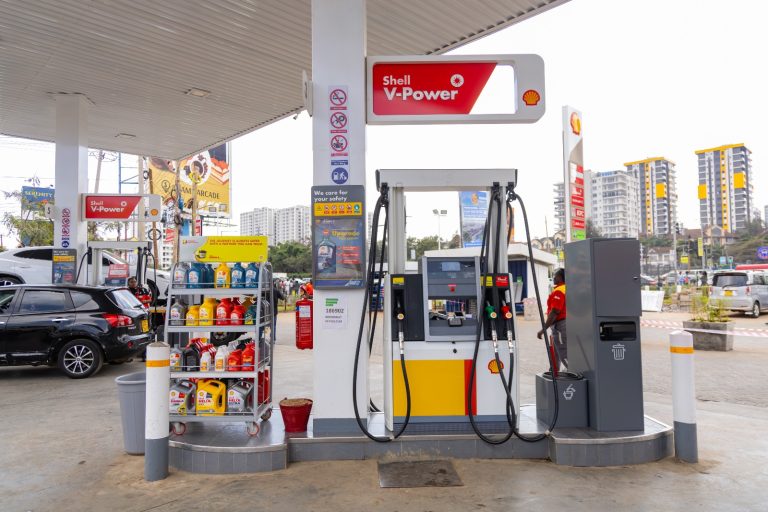
Kenya has roughly three million boda boda riders. For most, the motorcycle is factory, shop, and taxi rolled into one. It is how school fees get paid, how families are fed, and how rent is met at the end of each month. Fuel is the single largest operating expense, consuming between 40 and 50 per cent of daily earnings. When global oil prices spiked following Middle East tensions and Kenyan petrol prices rose by around 22 per cent, the arithmetic of riding a petrol bike became brutal. Riders were working longer hours for diminishing returns, trapped in a cycle where more trips simply meant more fuel costs.
Electric bikes changed that equation dramatically. Riders report spending about KSh200 on electricity for a full day’s use, against KSh700 on petrol. A rider in Kiambu who switched to electric now spends KSh300 daily on charging and battery use, down from over KSh500 on fuel. In Chuka, another rider powers his bike on roughly KSh275 of electricity — a distance that would previously have cost KSh400 in petrol for less than half the range. The difference, modest as it sounds per day, is transformative across a working month.
The savings accumulate fast. Bolt estimates its electric boda riders save between KSh300 and KSh500 per day, or roughly KSh182,500 annually. Over five years, the total cost of ownership is nearly KSh578,000 lower than a comparable petrol bike. M-KOPA reports its customers save an average of KSh730 per day, with 66 per cent earning more since switching. One rider told researchers his take-home pay had risen by over 40 per cent. For a sector where margins have always been razor-thin, those figures represent a genuine change in financial circumstances.
Maintenance tells a similar story. An electric motor has fewer than 200 moving parts; a petrol engine between 500 and 1,000. No oil changes, no spark plugs, no carburettor cleaning, no timing belt replacements. Motor oil for an electric bike costs around KSh100 against KSh600 for a petrol model. Industry estimates put overall maintenance savings at up to 40 per cent. For riders who previously spent significant time and money at roadside mechanics, the reduction in downtime alone has measurable value — every hour off the road is income lost.
The biggest barrier to adoption has always been the purchase price. A lithium-ion battery can cost as much as the bike itself — prohibitive for a rider earning a few hundred shillings a day. For years, that upfront figure kept electric motorcycles out of reach for the very people who stood to benefit most from them.
The battery-swapping model solved this. Riders buy the motorcycle without a battery for as little as $750, then rent and swap batteries at designated stations for a daily fee. A swap takes barely two minutes — faster than filling a tank and joining the queue at a petrol station. The rider never waits for a charge, never loses earning time, and never bears the cost of battery degradation over years of use. The model effectively separates the most expensive component of an electric vehicle from its purchase price, making the transition financially accessible to working riders.
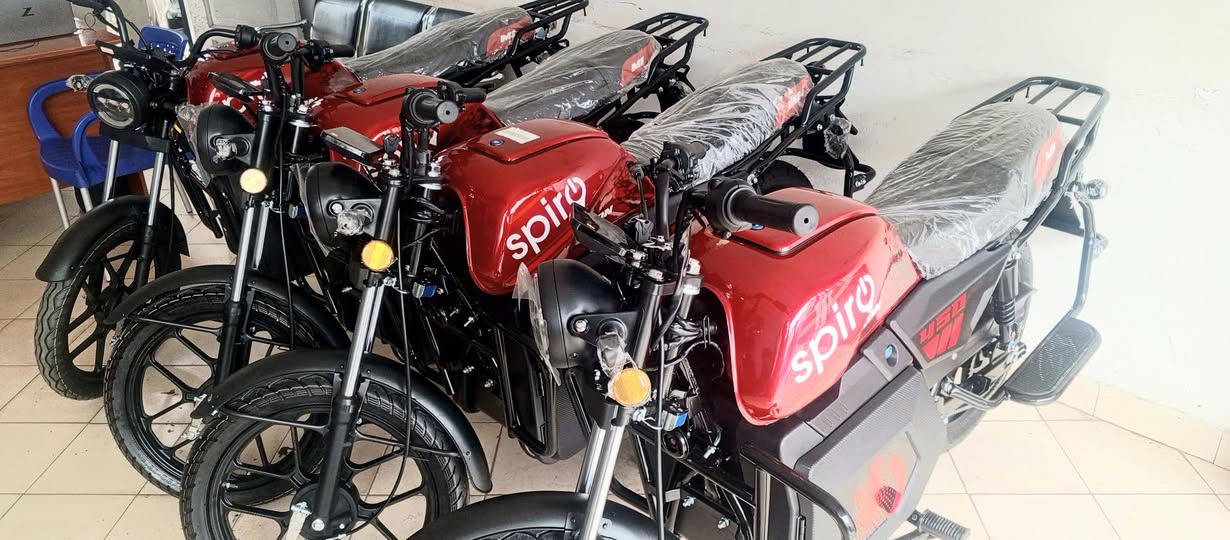
Spiro, the market leader with roughly 90 per cent of Kenya’s electric motorcycle sales, has built a dense network of swap stations across urban areas, spaced five to ten kilometres apart in Nairobi and expanding into 37 counties. Its Mega Battery Swap Station in Nairobi houses over 200 batteries and operates around the clock, seven days a week. Riders on long trips can plan their routes around swap points the way petrol riders plan around filling stations — a habit that is becoming second nature to a growing number of converts.
Other companies are following. Roam, Ampersand, and ARC Ride have established assembly plants and swap networks of their own across the country. Kenya’s total manufacturing capacity for electric two-wheelers is projected to reach 100,000 units per year by 2026. Electric motorcycles jumped from just four per cent of new motorcycle sales in 2023 to 15 per cent in 2025, with some industry reports suggesting they now account for around 30 per cent of monthly sales in Nairobi. The trajectory points in one direction only.
The government has not been a passive observer. Under the Finance Bill 2025, electric motorcycles, bicycles, and lithium-ion batteries were granted VAT zero-rating and excise duty was reduced to zero — measures that directly narrow the price gap between electric and petrol models. The National E-Mobility Policy, launched in February 2026, formalised the long-term direction, setting a target for all motorcycles in Kenya to be electric by 2050 and including provisions for local manufacturing support and the standardisation of charging infrastructure nationwide.
Pay-as-you-go financing models have been equally important in driving adoption. Companies such as M-KOPA, which has financed over 5,000 electric bikes, allow riders to pay a small deposit and a daily fee — converting what would otherwise be a large capital expense into an operating cost that mirrors their daily cash flow. For riders without savings or formal credit histories, this model has been the decisive factor in making the switch possible.
There is a quieter advantage that rarely features in the sales pitch but matters considerably. Kenya’s electricity grid is roughly 90 to 93 per cent renewable, dominated by geothermal, hydro, and wind power. An electric boda boda charged on that grid produces a fraction of the carbon emissions of a petrol bike. In Nairobi and other major towns where urban air pollution has become a serious and growing public health concern, and where boda bodas are a significant contributor to roadside emissions, the mass switch to electric motorcycles is delivering cleaner air and quieter streets almost as a side effect of an economic decision.
The transition is not without friction. Outside Nairobi and a few major urban corridors, swap stations remain sparse. Riders travelling into rural areas or covering long inter-county distances face real range anxiety, knowing that a dead battery mid-route means lost income and stranded passengers. The swap network, impressive as it is within the capital, has not yet caught up with the geography of Kenya’s boda boda economy.
Battery standardisation is another flashpoint. Most manufacturers use proprietary battery systems, locking a rider into a single company’s swap network. Switching brands means switching bikes entirely — a constraint that has already sparked protests among rider groups who argue it limits competition, reduces their negotiating power, and effectively traps them within one provider’s pricing structure. The absence of a universal battery standard is a problem the industry and government will need to confront directly if the transition is to reach its full potential.
For riders without access to credit or a consistent income history, the upfront deposit remains an obstacle despite the availability of financing. The pay-as-you-go model works well for those with a traceable record; for those on the margins of the informal economy, even a reduced entry cost can be a barrier.
These are real challenges. But they are the challenges of a technology in rapid expansion, not one in retreat. Electric boda bodas have moved from pilot projects to mainstream commercial vehicles in under five years. The economics are too compelling to ignore, the government has signalled sustained commitment, the industry has invested in infrastructure, and riders — among the most pragmatic businesspeople in Kenya — are voting with their wallets in growing numbers.
For Peter Ochieng, the decision was never about saving the planet. It was about keeping more of what he earns. “The electric bike is not a luxury,” he says. “It is a better tool for my work.” That, more than any policy commitment or environmental appeal, is why electric bikes are taking over Kenya’s streets. They are not just cleaner or quieter. They are cheaper. And in the boda boda business, cheaper means survival.
Similar Posts by The Mt Kenya Times:
- Wamunyoro Alliance Takes Shape; Gachagua, Kalonzo, Wamalwa unite
- Gachagua, Kalonzo, Wamalwa unite: Kenya’s 2027 opposition battle takes shape
- Beyond the rubble: Nairobi’s building collapses are a failure of systemic oversight
- Political alliances intensify ahead of Kenya’s 2027 elections
- The pressure to make it before thirty
About the Author