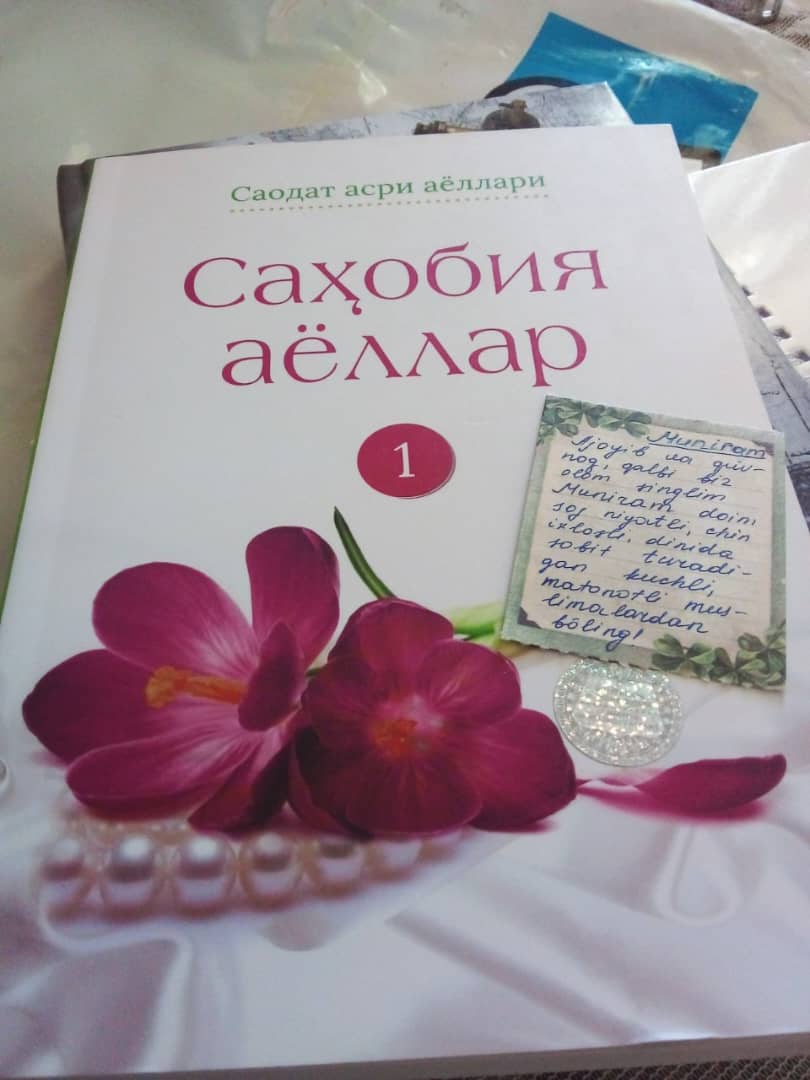

By: Munira Yusupova Chori
### 1. Historical Context
When Islam emerged in the 7th century in the Arabian Peninsula, it confronted existing social norms that often marginalized women. Pre-Islamic Arabian society had various practices that devalued women’s status, such as female infanticide and limited rights to inheritance or ownership. The advent of Islam marked a significant shift; it introduced comprehensive legal frameworks aimed at safeguarding women’s rights.
### 2. Women’s Rights in Islam
Islamic teachings emphasize the inherent dignity and equality of all individuals, regardless of gender. The Quran explicitly states:
– Spiritual Equality: Both men and women are equally accountable for their actions (Quran 4:32).
– Rights to Inheritance: Women were granted the right to inherit property (Quran 4:7), which was revolutionary for the time.
– Social Participation: Women are encouraged to participate in community life, including religious practices, education, and even leadership roles.
These principles laid foundational aspects for women’s rights within Islamic law (Sharia).
### 3. Education
Education has always been highly valued in Islam. The Prophet Muhammad emphasized its importance for all Muslims, stating that seeking knowledge is a duty for every believer—regardless of gender. This principle led to historical advancements where women played crucial roles as scholars, educators, and intellectuals during periods such as the Abbasid Caliphate.
### 4. Transformational Impact
The Golden Age of Islam (8th to 14th centuries) was marked by significant contributions from Muslim scholars in various fields including astronomy, medicine, mathematics, and philosophy. Institutions like Al-Qarawiyyin University (founded in 859 CE) and Al-Azhar University (established around 970 CE) became centers of learning where both men and women could study.
### 5. Contemporary Challenges
Despite the progressive teachings found in early Islamic texts regarding women’s rights, cultural interpretations have varied widely across different societies leading to disparities between religious principles and actual practice. Issues like gender-based violence, restricted access to education or employment opportunities for women persist in some communities today.
Efforts are ongoing within many Muslim-majority countries to reconcile traditional practices with contemporary understandings of women’s rights through advocacy groups working towards reforming laws and cultural attitudes.
### 6. Understanding Islam
A nuanced understanding of Islamic teachings can help combat stereotypes and misconceptions about gender roles within the faith. Promoting education about both historical contributions by women in Islamic contexts and current challenges can encourage dialogue aimed at fostering gender equality.
In conclusion, while Islam provides a framework that supports women’s rights and education fundamentally rooted in its teachings, cultural practices continue to shape how these principles are implemented today. Addressing these complexities requires ongoing dialogue within communities about interpreting religious texts alongside contemporary values that promote equality and justice for all.
Munira Yusupova Chori
DENAU INSTITUTE OF ENTREPRENEURSHIP AND PEDAGOGY in Denau DIEP
Similar Posts by The Mt Kenya Times:
- Diaspora Times Global Oct 17 – Oct 23, 2026
- Is social media a blessing or a curse for university students?
- Light at last: How electricity is reshaping Nandi and Uasin Gishu
- The triple squeeze: how EPRA’s fuel price hike is reshaping the survival equation for the common mwananchi
- Zelenskyy accuses Trump of rewarding Putin as Pope pleads for peace from a hospital bed
About the Author