KWAL opens Tatu City doors to women industrialists as Kenya eyes manufacturing leap
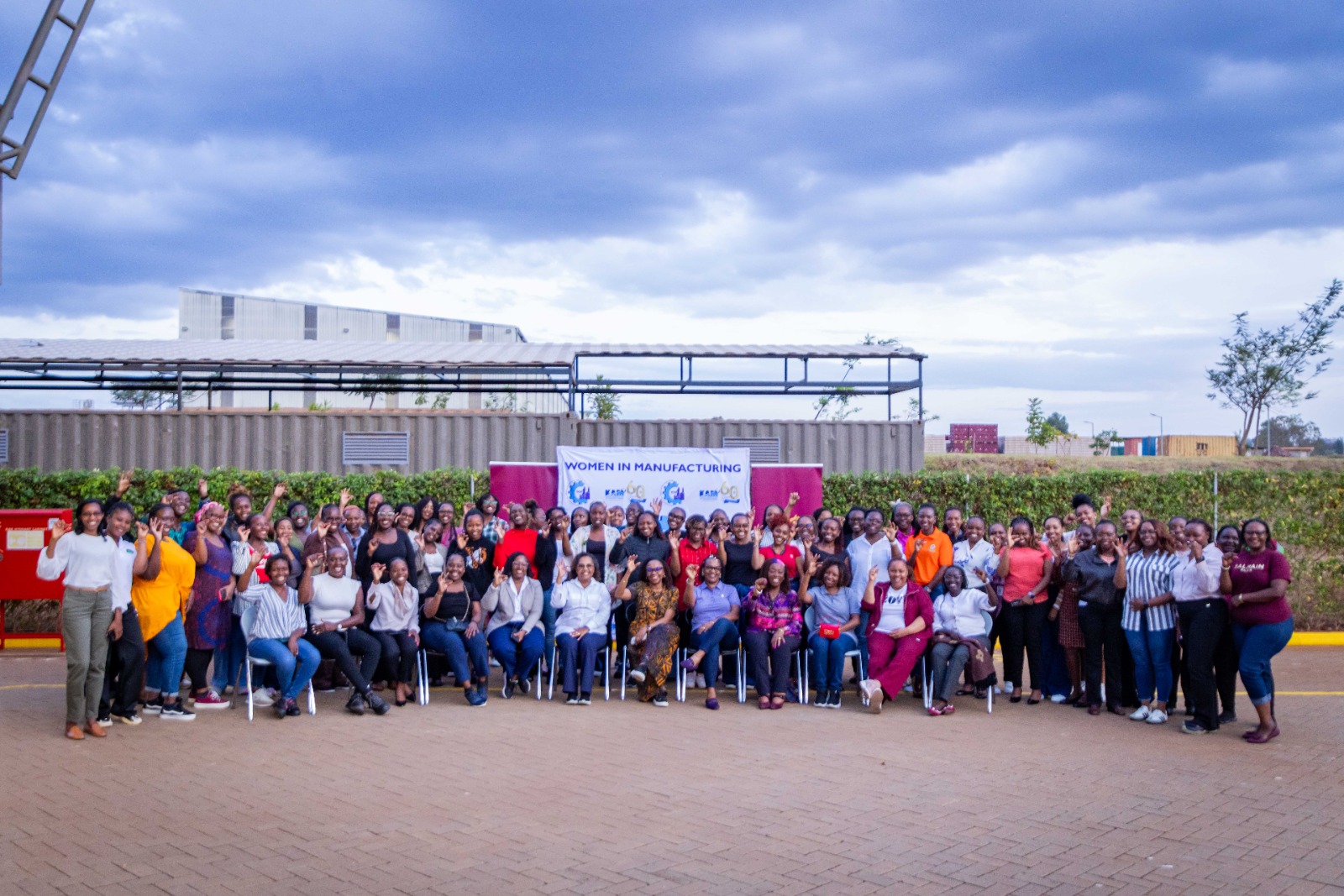
More than 50 female business leaders tour one of Kenya’s most advanced beverage plants as the sector targets a jump from 7.6% to 20% of GDP by 2030.
By Grace Wanja
Kenya Wine Agencies Limited yesterday hosted more than 50 female executives and industrialists at its state-of-the-art manufacturing facility in Tatu City, in an engagement that placed women’s industrial leadership at the centre of Kenya’s broader economic ambitions.
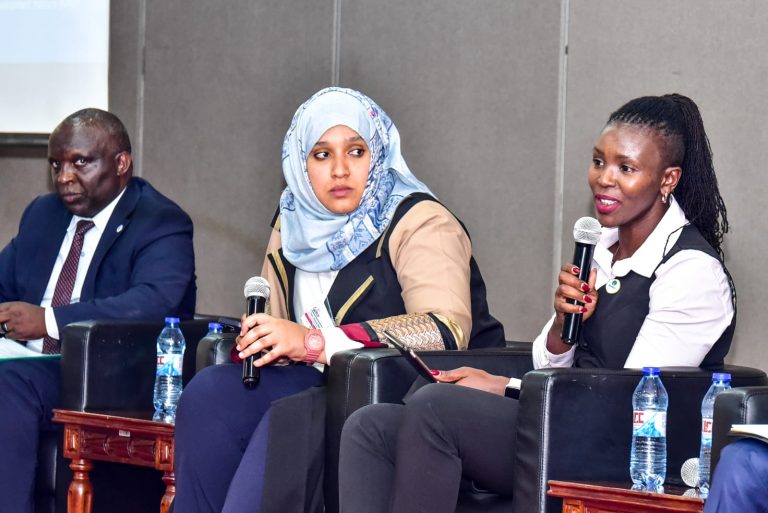
The visit, organised under the Kenya Association of Manufacturers’ Women in Manufacturing Programme, marked the 10th edition of KAM’s WiM Industry Visit Series — a milestone that reflects growing momentum behind efforts to bring more women into the core of Kenya’s manufacturing sector. Delegates received a guided tour of KWAL’s advanced beverage production and packaging lines before sitting down for an executive fireside chat focused on resilient leadership, local value addition and brand scaling.
The timing was deliberate. Manufacturing currently contributes approximately 7.6% to Kenya’s gross domestic product, well short of the 20% target the government and private sector have set for 2030 under the Kenya Industrialisation Agenda. The sector already supports more than 330,000 formal jobs and millions more across agricultural and supply chain linkages — making its expansion one of the most consequential economic questions facing the country.
KWAL Managing Director Lina Githuka used the occasion to make the case for both investment in local manufacturing and deliberate inclusion of women at every level of industrial leadership. “Local manufacturing is not just about output — it is the cornerstone of sustainable economic transformation, job creation and foreign exchange preservation,” she said. “Achieving Kenya’s industrialisation goals requires heavy investment in world-class standards and deliberate spaces for women to lead from the factory floor to the boardroom. When women drive industrial leadership, the entire manufacturing value chain prospers.”
Discussions led by KWAL’s leadership alongside KAM Regulatory and Policy Manager Lynda Oluoch examined how manufacturers can navigate regulatory shifts, adopt sustainable practices and leverage automation without eroding local employment. Oluoch drew attention to a persistent structural gap: women-led enterprises account for roughly a third of Kenya’s micro, small and medium-sized industries, yet women remain significantly underrepresented in core industrial leadership roles.
KWAL’s Tatu City plant, commissioned as part of a multi-billion-shilling investment, stands as one of Kenya’s premier manufacturing facilities, operating under advanced environmental, quality control and automated supply chain standards. It is currently the only manufacturer in Kenya certified to the EDGE Advanced standard — a global benchmark for resource efficiency and sustainable construction.
If Kenya’s manufacturing ambitions are to be realised, yesterday’s gathering suggested the blueprint is already being built — one factory visit, one woman leader at a time.
Similar Posts by The Mt Kenya Times:
- Owono breaks silence after De Miguel tragedy: ‘The most difficult days of my life’
- Nyamira High Court acquits four accused in murder of couple
- ACK Clergy in Kisii call for peaceful 2027 elections, reject political violence
- The enlightened republic of closed minds: Where ballots bloom and reason withers
- The final whistle for number 7: Ronaldo’s Portugal story ends
About the Author