

By: Nagasha Sharon
Worth Noting:
- More trees are being cut down for firewood, charcoal, construction, timber, planting sugar cane in Bugoma forest located in kikubbe district. It’s still seen that deforestation to continue to increase hence limiting the goal of reducing green carbon gas emissions below 5 degrees.
- More so, they should invest more in clean affordable energy. Clean energy refers to energy generated from recyclable sources without emitting greenhouse gases. More emphasis should be put in investing alternative sources of energy like bio-gas whose raw material like cow dung that is readily available, cheap, easy to implement and environmental friendly, solar which is sustainable, briquettes and other renewable energy.
Climate change is a global emergency that goes beyond national borders. It is an issue that requires international cooperation and coordinated solutions at all levels. It’s through the Paris agreement that includes commitments from all countries to reduce their emissions and work together to adapt to the impacts of climate change, and calls on countries to strengthen their commitments over time. It is a known fact that the cost of measures for reducing greenhouse gas emissions is enormous.
It’s important to note that we are already witnessing the impact of climatic changes, extreme rainfall, deadly flooding, persistent droughts, urban heat island effects or enlarged weather variability which has led death of people, food insecurity, increased level of poverty, and malnutrition in children, school dropout, and early marriages among others. These are all phenomena that urge climate adaptation.
Noteworthy, under Paris agreement, each country was expected to submit an updated national climate action plan – known as Nationally Determined Contribution, or NDC every five years. In their NDCs, countries communicate actions they will take to reduce their greenhouse gas emissions in order to reach the goals of the Paris Agreement. Countries also communicate in the NDCs actions they will take to build resilience to adapt to the impacts of rising temperatures. However, these NDCs need to be known to the local communities, grass root organizations, local leaders and other relevant stakeholders who are committed to in conservation of the environment.
The main objective of the agreement was to provide a pathway for developed nations to assist developing nations in their climate mitigation and adaptation efforts to reduce on the global green gas emission at 1.5 degrees below industrial levels by 2030. This will be done through creating a framework for the transparent monitoring and reporting of countries’ climate goals.
It’s also clear that the Implementation of the Agreement is also essential for the achievement of the Sustainable Development Goals.
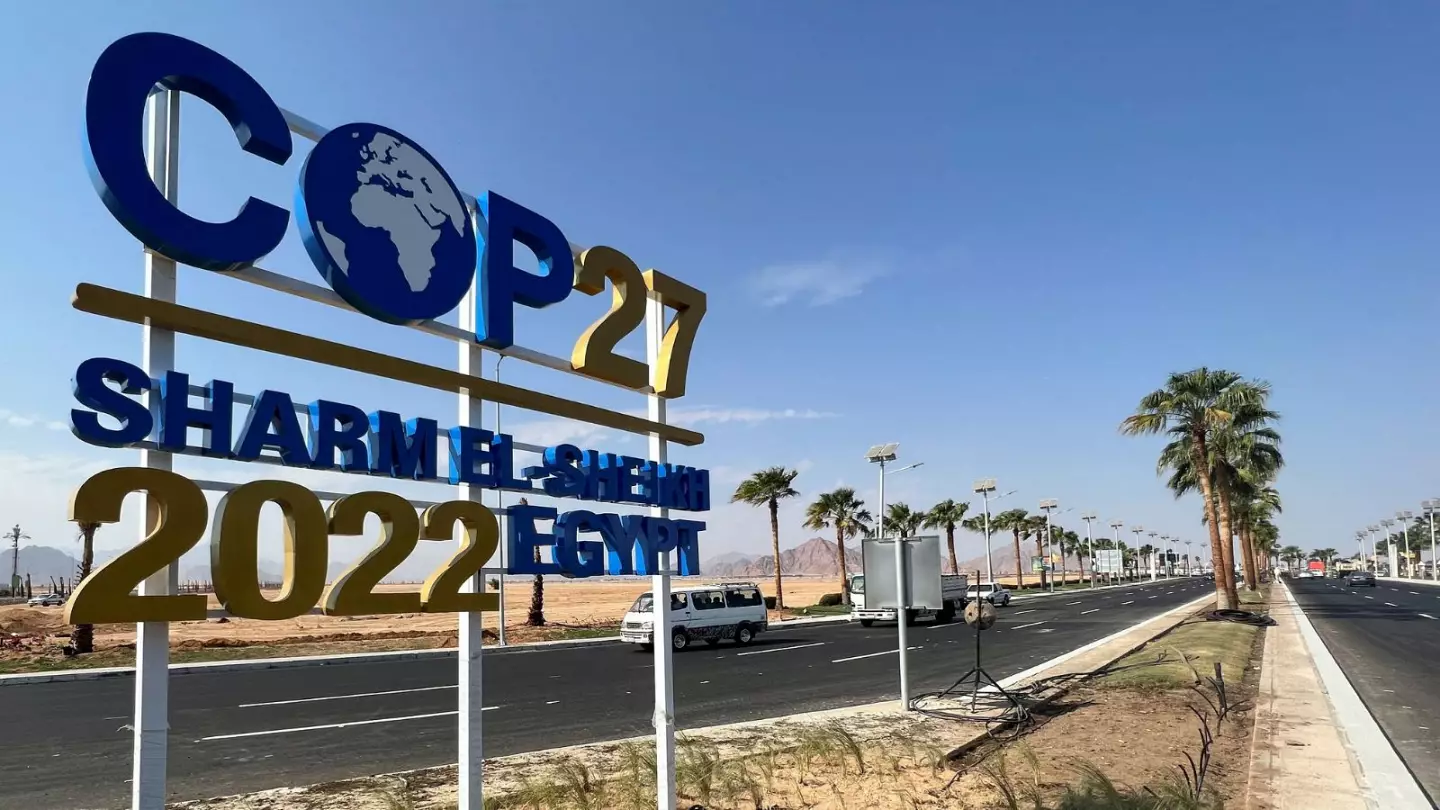
However most of us ‘African women ‘ will or might not make it to COP we therefore, presents to you the demands we wish to be addressed during COP27 in Egypt.
Reduce the level of deforestation. Un fortunately, during COP 26 in November 2021, 105 countries signed an agreement to end and reverse deforestation by 2030, a pledge that was backed up by almost $19.2 billion of public and private funds. Uganda, however, did not sign this commitment, despite its increasing deforestation rate.
More trees are being cut down for firewood, charcoal, construction, timber, planting sugar cane in Bugoma forest located in kikubbe district. It’s still seen that deforestation to continue to increase hence limiting the goal of reducing green carbon gas emissions below 1.5 degrees.
More so, they should invest more in clean affordable energy. Clean energy refers to energy generated from recyclable sources without emitting greenhouse gases. More emphasis should be put in investing alternative sources of energy like bio-gas whose raw material like cow dung that is readily available, cheap, easy to implement and environmental friendly, solar which is sustainable, briquettes and other renewable energy.
More focus should be put on women to be part of economic growth since they have strong potential to develop but in most cases are not supported and yet they are the care takers of the families. The youth are also vulnerable mainly due to the rampant unemployment and mismatch in skills vis-à-vis the jobs available. Therefore we demand investing more in clean energy to reduce on the green gas emissions.
In addition, there is need to stop financing dirty fossil fuels. In February 2022, the government of Uganda and oil companies launched the Final Investment Decision (FID) for the 1,445km East African Crude Oil Pipeline (EACOP) project. The EACOP is set to be developed from Uganda to Tanzania. For the Ugandan side, the pipeline will pass through ten (10) districts and affect over 23000 households in the regions of Bunyoro and Greater Masaka. The oil pipeline will also, directly and indirectly, affect eco-sensitive areas in Uganda, Kenya, Tanzania, the DRC, and other places. These projects have caused food insecurity, increased deforestation, early pregnancy, school dropout, family breakups among others.
It’s clear that the government of Uganda is focusing on investments in oil and gas activities at the expense of environmental conservation, climate change mitigation, and the protection of community livelihoods such as small-scale agriculture, tourism, clean energy, and others. The fossil fuels have continued to make Uganda more vulnerable to climate change. And therefore, financial institutions should stop financing fossil fuels rather invest in green economic alternatives that generate low carbon gas emission
More to that, involvement of youth and women in climate change negotiation table to increase on mitigation and adaptation of climate change impacts is vital. Women commonly face higher risks and greater burdens from the impacts of climate change in situations of poverty, and the majority of the world’s poor are women. Women’s unequal participation in decision-making processes and labor markets compound inequalities and often prevent women from fully contributing to climate-related planning, policy-making and implementation. Yet, women can (and do) play a critical role in response to climate change due to their local knowledge of and leadership in e.g. sustainable resource management and/or leading sustainable practices at the household and community level.
At the local level, women’s inclusion at the leadership will lead to improved outcomes of climate related projects and policies. On the contrary, if policies or projects are implemented without women’s meaningful participation it can increase existing inequalities and decrease effectiveness.
Therefore we demand women and youth inclusion in mitigating climate change impacts.
There is need for capacity building of grass root communities especially vulnerable women. Not all developing countries have sufficient capacities to deal with many of the challenges brought by climate change. As a result great emphasis on climate-related capacity-building for developing countries and requests all developed countries to enhance support for capacity-building actions in developing countries.
It’s very unfortunate that local communities, women led organization that deals in environmental conservation are left out in capacity building due to limited funds to fully participate.
More so, developed countries must in position to compensate the Loss and Damage caused by climate crisis. This has increased climate mobility and the most affected individuals are vulnerable women and children.
Lastly, Priotize green economic alternatives. Green Economies are a path to sustainable development. It’s important to note that a green Economy has got a number of environmental benefits which include; addressing global climate change challenges, loss of biodiversity and desertification which will contribute to reduction of green carbon gas emissions. Economic growth is needed for rapid and effective poverty reduction. This will reduce the risk of over use of natural resources and degradation of the environment, Sustained economic growth can only be based on sustainable use of natural resources.
The green growth transition will also deliver, according to National Planning Authority an additional four million (4,000,000) jobs in agriculture, waste management and recycling among others. We therefore call upon developed countries during COP27 to priotize and invest more in greener economy to protect the environment.
In a nutshell, I wish all the COP negotiators, Observers and everybody who made it to Egypt for COP27 a fruitful negotiations and discussions.
Thank you.
Nagasha Sharon
Research Associate, Women for Green economy Movement Uganda.
 Elizabeth Angira
  Mt Kenya Times