


By: Ireen Twongirwe
Worth Noting:
- COP27 should be about advancing implementation of the National Determined Contributions (NDCs), including adaptation and mitigation efforts and delivery of finance to enhance implementation.
- We also expected plans for implementation of the Paris Agreement to be put in place in order to shape up Africa climatic change. The Paris Agreement entered into force in November 2016 during COP26, however, the Kyoto Protocol second commitment implementation is until the end of 2020, and the implementation of the communicated NDCs under the Paris Agreement starts in 2021. We therefore thought that COP27 would standardize the NDC as a global tool for mapping progress in achieving better climatic practices.
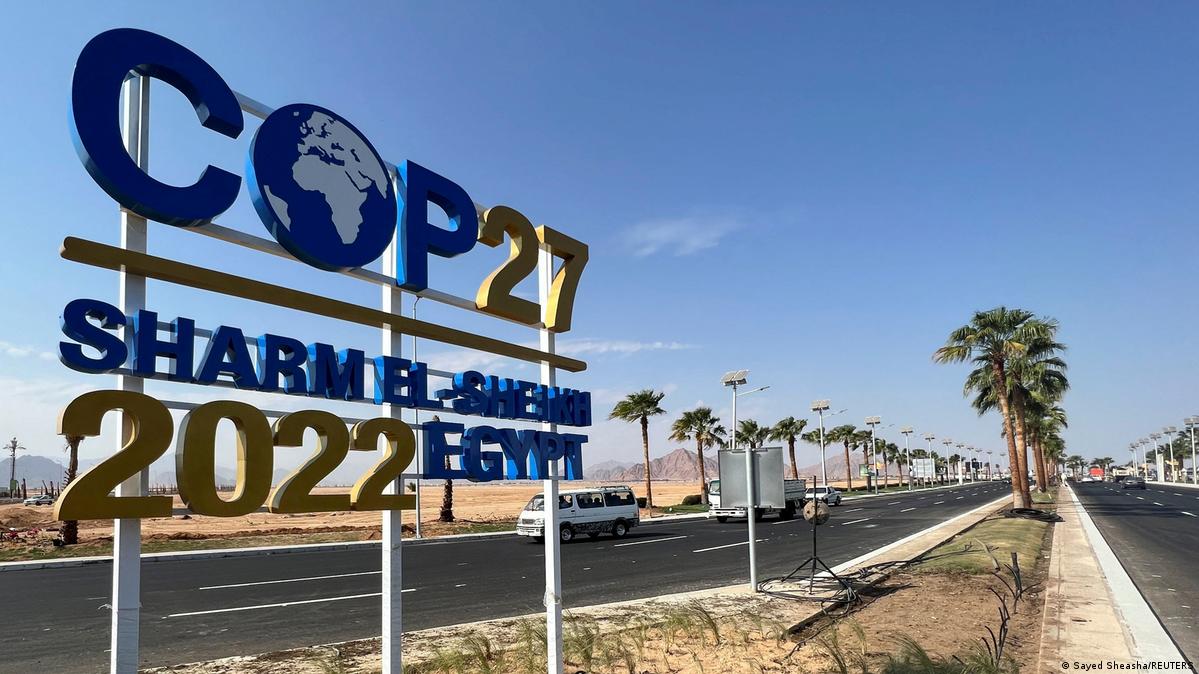
The 27th Conference of the Parties (COP27) was held from November 6–17th, 2022, in the city of Sharm El-Sheikh in Egypt. Over 35,000 participants attended various meetings and panel discussions. It’s important to note that the turn-up was impressive, with at least 100 Heads of State present and different climate actions showcased.
In addition, while this was a global summit, that took place in Africa, we were keen to see which deliberations would directly impact Uganda and Africa as a whole especially because the continent is globally ranked the least climate-resilient. Africa’s desert and semi-desert climatic zones, low levels of socioeconomic development and inadequate technological and financial capacities make it more vulnerable to adverse weather impacts.
It’s important to note that number of activities and side events took place while discussing number of issues on transiting Africa from fossil fuels to a just clean energy, limiting green carbon gas emissions at 1.5 degrees by 2030 and zero degrees by 2050. Other discussions were on the ways to mitigate and adapt to climate change impacts which is disastrous to African communities especially Global South that have killed thousands of people.
What we expected from the conference of parties?
Many promises were made at COP26, including meeting the $100 billion financing gap by developed countries. The reality of climate change has dawned on us for quite some years now. Particularly for our rural communities who depend on natural resources for their livelihoods. We therefore expected developed countries to put in place measures on how to fulfill all the pledge made in the last cops.
COP27 should be about advancing implementation of the National Determined Contributions (NDCs), including adaptation and mitigation efforts and delivery of finance to enhance implementation.
We also expected plans for implementation of the Paris Agreement to be put in place in order to shape up Africa climatic change. The Paris Agreement entered into force in November 2016 during COP26, however, the Kyoto Protocol second commitment implementation is until the end of 2020, and the implementation of the communicated NDCs under the Paris Agreement starts in 2021. We therefore thought that COP27 would standardize the NDC as a global tool for mapping progress in achieving better climatic practices.
More so, we expected better guidelines on how to transition to clean energy: Even though clean energy discussions were widespread, we observed a COP that struggled with guiding nations on shifting to more timely solutions. To ensure better energy alternatives and net zero emissions, the continent will need to match these annual renewable power demands through investing more green economic alternatives.
We also expected Actions against polluters: we thought there would be conclusive agreed-upon fines for the world’s biggest polluters. We had hoped that this process would also strengthen the call for ending funding towards massive carbon-emitting projects like EACOP since it will produce 34 million tons of carbon.
More so, we also expected developed countries to identify how long it will take for developing countries to receive the USD 100 billion for climate finance before making another pledge for loss and damage.
Resolutions during COP27
Delegates resolved to reform global financial institutions like the World Bank to help low- income countries reduce greenhouse gas emissions and avert the effects of adverse weather conditions. In a related dialogue, I observed the demand for the prioritization of low-emission energy sources like solar and wind, over environmentally detrimental fossil fuels.
In addition, unlike the fund, the decision on the agreed-upon threshold of global heating was final with the 1.5-degree temperatures previously accented to in COP21 and COP26. I observed some countries try to go higher to 2 degrees, but they were unsuccessful.
More so, there was a vocal demand for the reduction of coal use and a push for environmentally positive endeavors like afforestation. In the same conversation, it was agreed that swamps, known to reduce floods and provide a lustrous ecosystem for aquatic and wildlife, be restored.
More to that, there was a disburment of Loss and Damage fund in which they were not specific on when the funds are to be ready for developing countries to increase on climate change adaptation.
They also recognized the important role of indigenous people, local communities, cities, civil society including women and youth in addressing and responding to climate change and highlights the urgent need for multilevel and cooperative actions.
More so, they encouraged parties to consider as appropriate nature based solutions or ecosystem approaches taking into considerations united Nations Assembly Resolutions for their mitigation and adaptation actions while ensuring relevant social and environmental safeguards.
In my opinion, this African COP was not beneficial to us Africans especially local communities, vulnerable people in Global South. This is because all the concerned we expected to be addressed during the summit were not addressed rather pledges were made like any other COPs that had ever happened.
I therefore call upon civil society organizations, Community based organization, climate activist, and environmental human right defenders among others to continue pushing for African agenda to limit the carbon gas emissions and increase on climate adaptation measures to defend and protect our environment
For God and my Country
Ireen Twongirwe
Executive Director: Women for Green Economy Movement Uganda.
 Elizabeth Angira
  Twongirwe Ireen