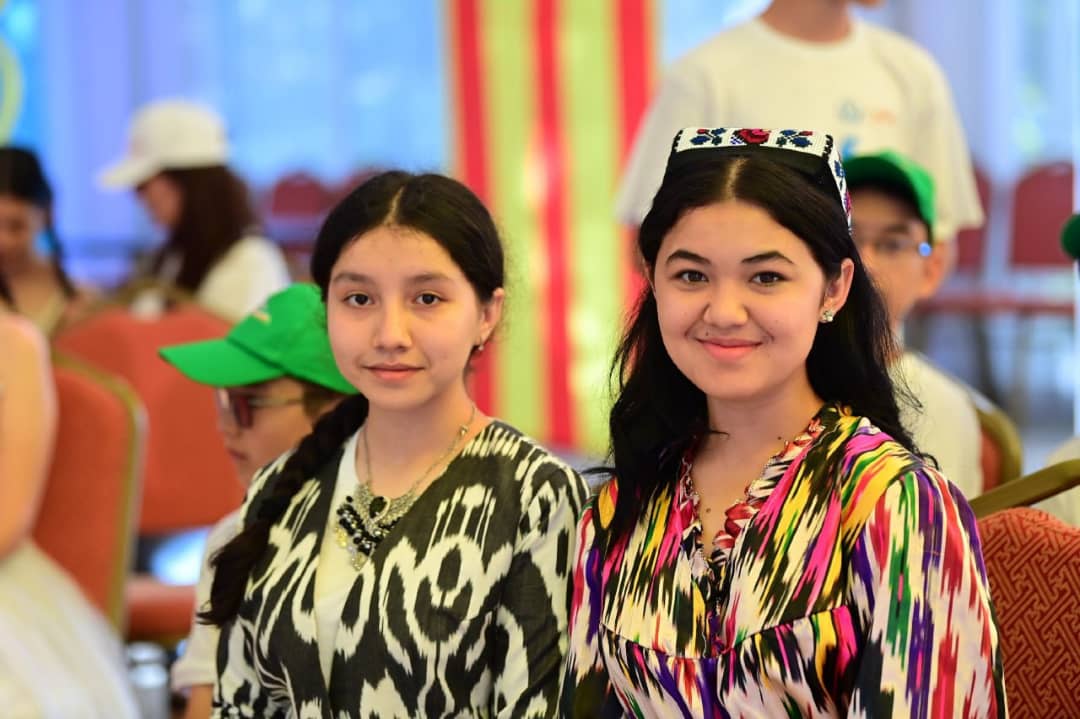
10 reasons to visit Uzbekistan - Marjona Jurakulova

By: Marjona Jurakulova
Worth Noting:
- Uzbekistan is known as the “Land of a Thousand Shrines” because there are numerous monuments and holy shrines throughout the country, ranging from the Greco-Bactrian Buddhist monastery on Fayoz Tepa to the Zoroastrian altars excavated in Khorezm. A large number of pilgrims visit Uzbekistan specifically to visit Islamic pilgrimage sites.
- Sunni Muslims make a point of visiting the holy shrine of Imam Bukhari, the author of the collection of hadiths “Sahih al-Bukhari,” near Samarkand, and Sufi followers of the Naqshbandi sect visit the shrine of Bahauddin Naqshband in Bukhara.
- I can’t describe the tranquility of the Nurota spring in the Navoi region or the wonderful shrines on the shoulders of the maple trees in Urgut; all I can say is that you should go and see them for yourself.
Uzbekistan is the heart of the Silk Road, an extremely friendly and cheerful country that exudes dazzling elegance due to its magnificent nature and warms hearts with golden smiles through its hospitable people.
The Silk Road may be the calling card that draws visitors to Uzbekistan, but once the curious traveler learns for himself the history of the multi-ethnic Uzbek people, it is clear that he cannot hide his admiration.
Uzbekistan is full of breathtaking natural beauty. The photos of cities in this country depict the Central Asian paradise. When you rediscover these locations with your own eyes, you will be certain that they are identical to two drops of water.
It’s difficult to put into words the country’s dazzling blue mosques, ornate minarets, oriental-style buildings, and time-honored cities. Nothing beats the aroma of freshly baked bread or the taste of lamb kebabs.
If you enjoy handmade items, we have some good news for you. Uzbek mosaics, floral ceramics, and geometric tiles compete with the famous Azulejos of Lisbon, Portugal. You will be transported to a distant period of history in a matter of seconds.
- Uzbekistan’s Ancient Cities:
For more than 10,000 years, representatives from various tribes have lived in Uzbekistan. The ancient cities have been preserved intact due to the dry, arid climate. The harmony between examples of creativity created in the Middle Ages and the modern metropolis draws attention. The wealth of Uzbek history will astound you as you walk the streets or visit any museum. You can listen for hours on the seven piers of Bukhara, the noble city of Registan in Samarkand.
Uzbek national dishes:
Uzbek national dishes are the sweetest of all world cuisines. Uzbek cuisine is one of the most diverse in Central Asia. The culinary traditions of the region’s settled and nomadic peoples, accumulated over centuries, are embodied in the complex of delicious dishes of Uzbek cuisine, which is unique and understandable to all of us today. The Uzbek national dish is pilaf (soup). Pilaf is the most well-known dish in Uzbek cuisine, an expression of our people’s hospitality and tolerance, and our table is lovely. As many nations as there are in the world, each has its own national cuisine, which is the foundation of their national traditions. Pilaf is undoubtedly prepared in every country visited by an Uzbek. Foreign tourists who visit our country express interest in the pilaf. People from all over the world enjoy eating pilaf. It is said that Ibn Sina told the father of a sick young man that a meal made of seven different ingredients would cure his son’s illness. This dish is identical to pilaf, which contains oil, meat, onions, carrots, rice, water, and salt. Later, depending on the season and taste, additional products are prepared with quince, apricot, turnip, garlic, onion, egg, peas, pumpkin, raisins, and other ingredients. Pilaf is a traditional Uzbek dish. Not only is there a culinary culture, but there is also a behavioral culture. Pilaf unites the entire nation. Because, according to tradition, the soup is strained into a plate and mostly eaten by hand. Special pilaf plates are even made by potters. Its secret is that the plate does not burn hands and does not quickly cool food. In ancient times, potters carved inscriptions on rocks that taught them how to eat. Finally, we invite you to take a culinary trip to Uzbekistan.
- Sacred sites:
Uzbekistan is known as the “Land of a Thousand Shrines” because there are numerous monuments and holy shrines throughout the country, ranging from the Greco-Bactrian Buddhist monastery on Fayoz Tepa to the Zoroastrian altars excavated in Khorezm. A large number of pilgrims visit Uzbekistan specifically to visit Islamic pilgrimage sites.
Sunni Muslims make a point of visiting the holy shrine of Imam Bukhari, the author of the collection of hadiths “Sahih al-Bukhari,” near Samarkand, and Sufi followers of the Naqshbandi sect visit the shrine of Bahauddin Naqshband in Bukhara.
I can’t describe the tranquillity of the Nurota spring in the Navoi region or the wonderful shrines on the shoulders of the maple trees in Urgut; all I can say is that you should go and see them for yourself. Following the powerful earthquake, Uzbekistan’s cities developed their own stylistic characteristics. As a result, the architecture is a mix of blocky Soviet buildings from the 12th century and blue-tiled buildings complemented by classical European architecture.
- Public holidays:
Attending festivals or other public events is a great way to learn about Uzbekistan’s intangible cultural heritage. Uzbekistan Tourism publishes a calendar of cultural events that inspire foreign tourists all year, allowing them to enjoy and experience historical traditions at any time of year. The International Crafts Festival, held every two years in the building of the Ko’kan Palace, dazzles the eyes, and the International Music Festival “Sharq Taronalari,” held in the central square of Registon, is an unforgettable destination with the music of peace and stable friendship. Electronic music fans will rediscover harmony and solidarity at the Techno and Stihia festivals, which will be held in Moynak, surrounded by Aral Sea ships.
Traveling to Uzbekistan allows you to step into the past, travel through history, and immerse yourself in a culture that has not been discovered in a long time. So, what are you waiting for? Pack your belongings, and let’s begin our journey through the lush countryside.
Marjona Jurakulova – 2nd stage student of
Shahrisabz State Pedagogical Institute, Republic of Uzbekistan
marjonakhanumjurakulova@gmail.com
Similar Posts by The Mt Kenya Times:
- Trump launches AI Force: A new front in the battle for global technology dominance
- From the runway to youth empowerment
- Breach at Vote 8: What the Attack on the Namibian Defence Establishment Means for National Security
- Inspired by the poem “Time”
- The use of digital educational technologies in the prevention of dental diseases
About the Author