Armed Poaching Ring Dismantled as KWS Intensifies Crackdown on Wildlife Crime
 The Mt Kenya Times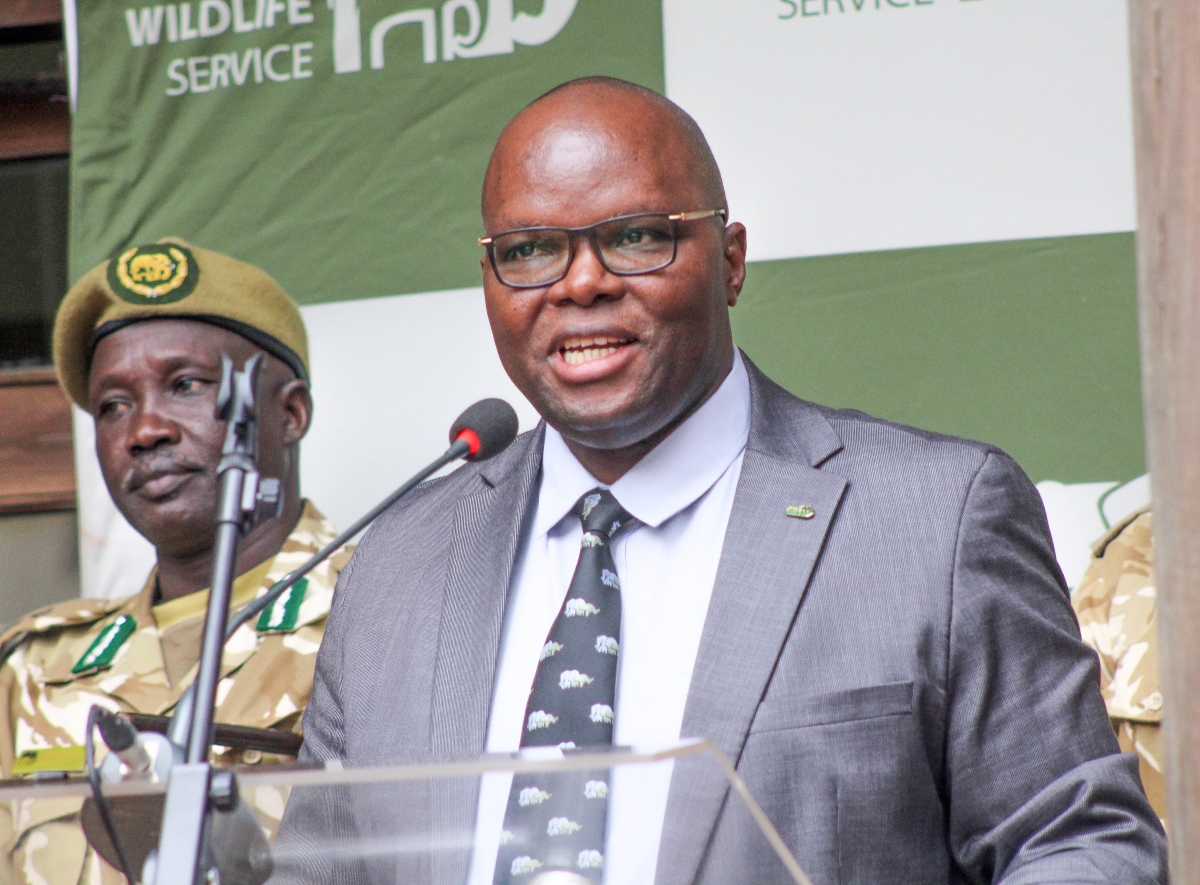
KWS Director General, Prof. Erustus Kanga
By: John Kariuki
Nairobi, Kenya — Officers from the Kenya Wildlife Service (KWS) have dismantled a suspected armed poaching syndicate in Garissa County, recovering illegal wildlife products and a high-powered firearm in a precision midnight operation.
The intelligence-led operation was conducted along the Garissa–Dadaab road at Alango Arba, Fafi Sub-County. Acting on credible intelligence about a vehicle transporting armed individuals and illicit wildlife cargo, KWS officers positioned themselves under cover of darkness and waited.
A white Suzuki Alto (KDC 529C) drove directly into the ambush. Officers intercepted the vehicle and secured all suspects without incident.
Six individuals were arrested. Ali Idow Yussuf (66) was found armed with an AK-47 rifle loaded with 13 rounds of 7.62mm ammunition, plus an additional magazine carrying 30 rounds and jungle combat gear. He reportedly claimed affiliation with the National Police Reservists. The remaining suspects — Fuad Hussein Mukhtar (30), the driver; Mahat Diriye Hussein (34); Hassan Jehow Diriye (56); Idle Farah Dagane (52); and Hussein Ibrahim Abdulrahman (45) — were all apprehended at the scene.
A search of the vehicle uncovered approximately 200 kilograms of suspected giraffe meat and a giraffe head carcass, with an estimated street value of KSh 200,000. Seven mobile phones believed to have been used to coordinate the operation were also seized. The firearm and ammunition were secured as exhibits at KWS Garissa Station, while the suspects were transferred to KWS Headquarters in Nairobi ahead of formal arraignment.
The operation reflects the strategic direction set by KWS Director General, Prof. Erustus Kanga. Under his leadership, KWS has deepened its investment in intelligence-driven operations, inter-agency collaboration, and field coordination — an approach this operation exemplifies. His emphasis on conservation as a shared responsibility has also strengthened community partnerships, making anti-poaching efforts more comprehensive and sustainable.
“Operations like these reflect a service that is alert, capable, and deeply committed to its mandate,” said one conservation expert familiar with KWS. “This level of coordination does not happen by chance — it is the result of deliberate leadership and a clear vision.”
The Garissa operation sends a firm message to poachers and traffickers: wildlife crime will not go unchecked. As Kenya confronts evolving threats to its biodiversity, this is a victory not just for KWS — but for every Kenyan who values the country’s natural heritage.
Similar Posts by The Mt Kenya Times:
- Diaspora Times Global Oct 17 – Oct 23, 2026
- Is social media a blessing or a curse for university students?
- Light at last: How electricity is reshaping Nandi and Uasin Gishu
- The triple squeeze: how EPRA’s fuel price hike is reshaping the survival equation for the common mwananchi
- Zelenskyy accuses Trump of rewarding Putin as Pope pleads for peace from a hospital bed
About the Author