Gusii Community Embraces Alternative Rites of Passage as Progressive Shift Away from FGM
 The Mt Kenya Times
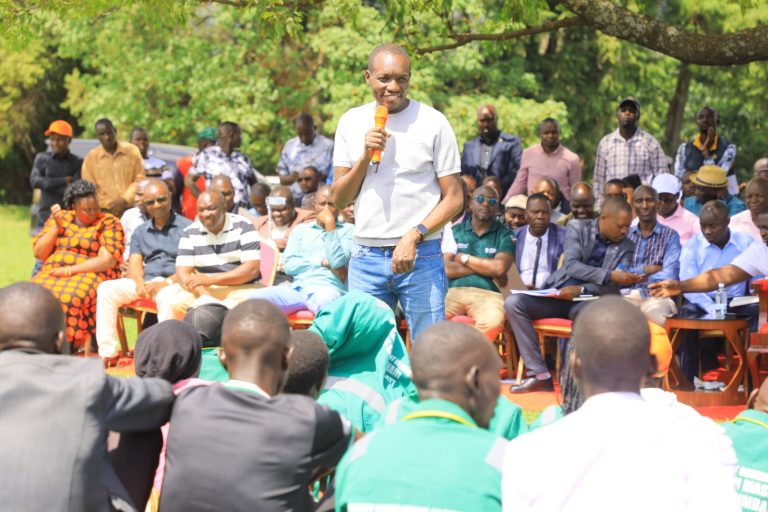
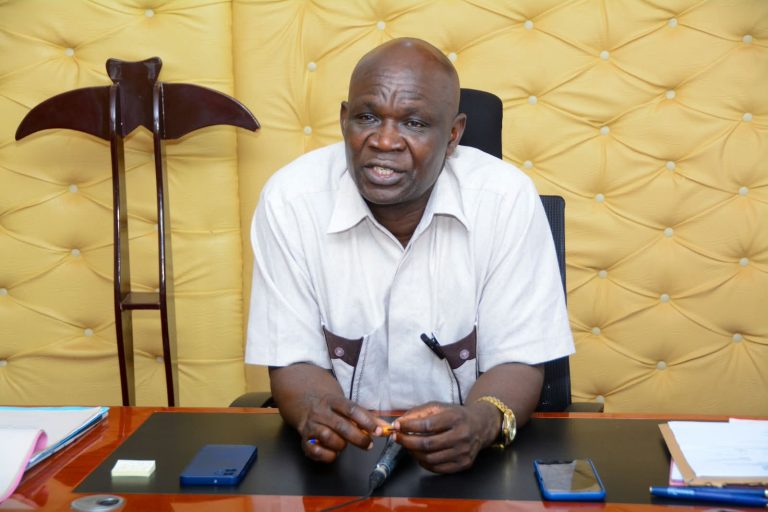
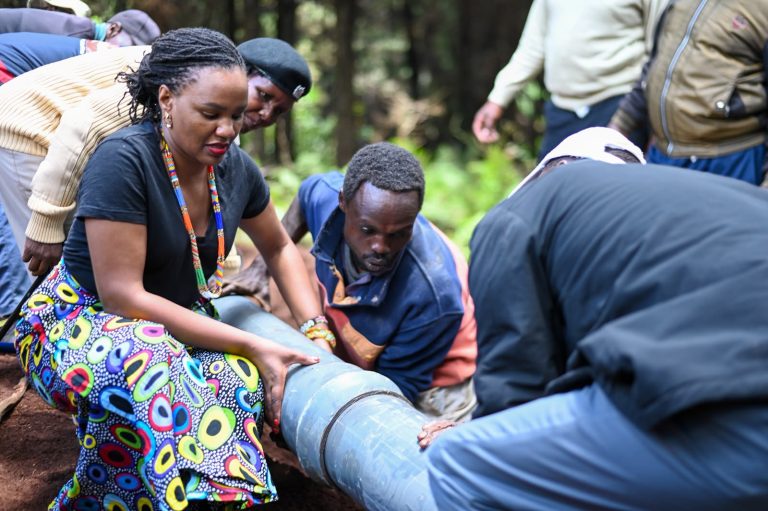
Kisii County woman Mp Dorice Donya Aburi , Director of Gender Recovery Center , Nyamira Nominated Senator Renee Mayaka during the press briefing. Photo | Elizabeth Angira
By Elizabeth Angira
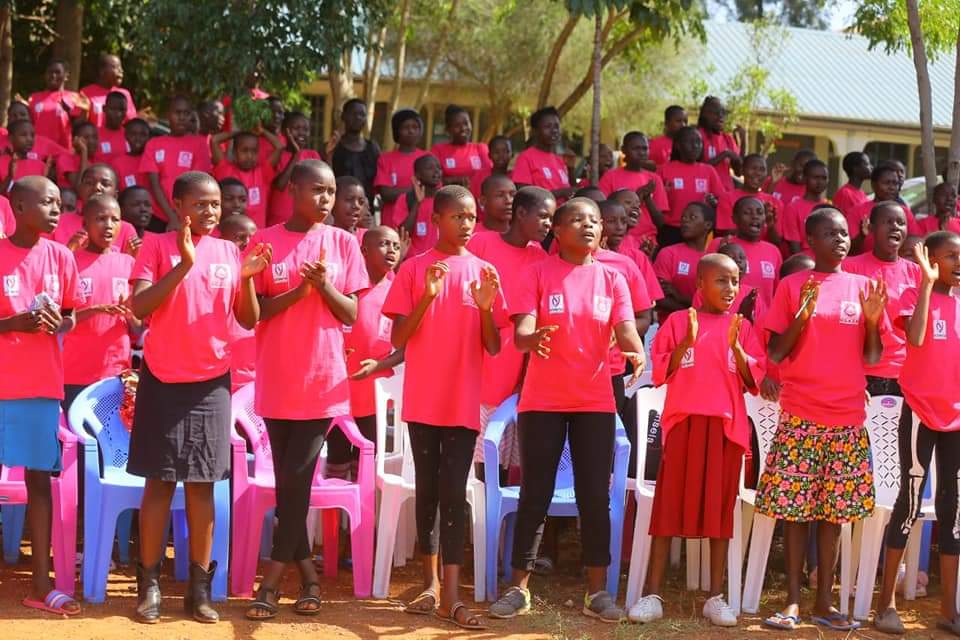
The Gusii community has begun adopting an Alternative Rite of Passage (ARP) as an alternative to female genital mutilation (FGM).
At the launch of an anti-FGM campaign held at Nduru Girls in South Mugirango, Kisii Member of Parliament Dorice Donya explained that this new rite serves as a transition into womanhood without circumcision, as per cultural norms.
Donya mentioned that the ARP will take place twice a year in August and December, coinciding with the “cutting season” when schools are closed and FGM often occurs.
“We do not want to subject our young girls on traditional harmful practices, we must fight for their rights,” she said.
During the training sessions, girls will learn about the harmful effects of FGM, teenage pregnancy, and gender-based violence.
According to Kenya Demographic Health Survey 2022 (KDHS) FGM preference in Kisii county is 77% and Nyamira county is 75 %
The focus will encompass understanding what FGM is, its dangers, reasons to avoid it, and discussions about education, child rights, sexual abuse, substance abuse, self-esteem, health, culture, and traditions.
Reformed traditional cutters, health practitioners, psychiatrists, and mentors are participating to educate girls about the side effects of FGM.
Donya emphasized the need to end this practice and prevent girls from experiencing harmful violence.
“I beg all members of the public to come on board and we fight this menace,” she said.
According to UN Women FGM affects 200 million women globally, with dire consequences ranging from debilitating pain to childbirth complications to death. UN women is recommitting to ensuring that laws are not only passed against the practice, but that governments are taking action to implement those laws.
Nyamira nominated Senator Renee Mayaka and Director of Gender Recovery Center Alberto Mwaura also praised Donya’s initiative and called for collective efforts against FGM.
Mwaura highlighted that FGM is one of the triple threats faced by the country, alongside gender-based violence and HIV/AIDS.
Mayaka expressed concern over the involvement of certain medical personnel in performing FGM secretly and under the guise of safety in hospitals.
“We must stand firm and never allow our parents and girls to be brainwashed by this practice,”she said.
They urged the public to report such cases to relevant authorities.
Esnahs Nyaramba, Chair of Young Democrats and founder of Onsembe Civil Society Organization, emphasized grassroots efforts to sensitize the community about the issue.
However, the medicalization of FGM remains a challenge.
Nyaramba urged public support in achieving zero FGM cases in the region and encouraged men to speak out against harmful social norms both online and offline.
Wicklife Nyachae Ombui, a Board member of the Minto Foundation, stressed the importance of empowering girls and putting an end to the practice.
Ombui pledged collaboration with the county to eliminate the menace faced by teenagers, ultimately promoting their success and women’s empowerment.
According to the Kenya Demographics Health Survey, FGM prevalence among women aged 15-49 has decreased from 21% to 15% nationally, although regional variations among different ethnic groups persist.
Similar Posts by The Mt Kenya Times:
- Eldoret hosts Kenya’s 63rd Mashujaa Day in historic North Rift celebration
- No matter how long the night, the day will come
- Why university students wear crocs and pyjamas
- Reading culture: Towards an enlightened generation
- How society treats people according to status a review of a Tale of Two Cities by Charles Dickens
About the Author