Early Pregnancies And Marriages Continue To Be Prevalent Issues In Many Societies Particularly Among Young Girls

Dr Josh Eistein

Africa has been appalled by the rising number of early pregnancies and marriages amongst the youth which has caused havoc in the different societies increasing the illiterate to literate ratio amongst our different societies. But guess what???? We are all potential victims of this worrying scary, detrimental act which violates children’s right to “EDUCATION”
 Early marriages: refer to marriages that occur at a young age, typically before the individuals involved have reached the legal age of consent or adulthood. In many cases, early marriages involve girls who are married off to older men without their consent or against their will. These marriages often take place in cultures or communities where traditional customs and practices prioritize early marriage for girls, often due to factors such as poverty, cultural norms, or the belief that girls should be married off as soon as they reach puberty. Early marriages can have detrimental effects on the physical, emotional, and social well-being of young girls, perpetuating cycles of poverty and limiting their educational and economic opportunities.
Early pregnancies: refer to pregnancies that occur at a young age, typically before the individuals involved have reached the legal age of consent or adulthood. These pregnancies often result from early marriages or sexual relationships among adolescents. Similar to early marriages, early pregnancies can have negative consequences on the physical, emotional, and social well-being of young girls. They can increase the risk of complications during pregnancy and childbirth, hinder educational and career opportunities, and perpetuate cycles of poverty. Additionally, early pregnancies may also result in social stigma and discrimination for the young mothers and their children.
Did you know that early marriages and pregnancies pose significant risks to the physical, emotional, and social well-being of young girls?
These practices perpetuate cycles of poverty , limit educational opportunities, and contribute to gender inequality. This article aims to shed light on the dangers of early marriages and pregnancies and emphasizes the importance of breaking this cycle for a better future.
- Health risks:
 Early pregnancies can have severe health consequences for young girls. Their bodies are often not fully developed, increasing the risk of complications during pregnancy and child birth. These complications can result in maternal and infant mortality, as well as long term health issues for both mother and child. Delaying pregnancies allows girls to reach physical maturity, reducing health risks and ensuring better outcomes for themselves and their children.
- Limited Education Opportunities:
Early marriages often force girls to drop out of school, denying them access to education and hindering their personal development. Education is a fundamental right that empowers individuals, enabling them to make informed choices, pursue higher education, and secure better employment opportunities. By preventing early marriages, girls can continue their education, break free from poverty, and contribute to the development of their communities.
- Economic impact:
Early marriages perpetuate cycles of poverty, as young girls are often unable to finish their education or acquire skills needed for gainful employment. They become financially dependent on their spouses or families, limiting their economic independence and opportunities for self –sufficiency. By delaying marriages and pregnancies, girls can focus on their education and acquire the necessary skills to secure better-paying jobs, thereby breaking the cycle of poverty.
- Psychological Consequences:
Early marriages and pregnancies can have severe psychological consequences for young girls. They may experience feelings of isolation, depression, and anxiety due to being thrust into adult responsibilities at a young age. The lack of emotional maturity and support systems can further exacerbate these issues. By delaying marriages and pregnancies, girls can have the chance to develop emotionally, pursue their dreams, and lead fulfilling lives.
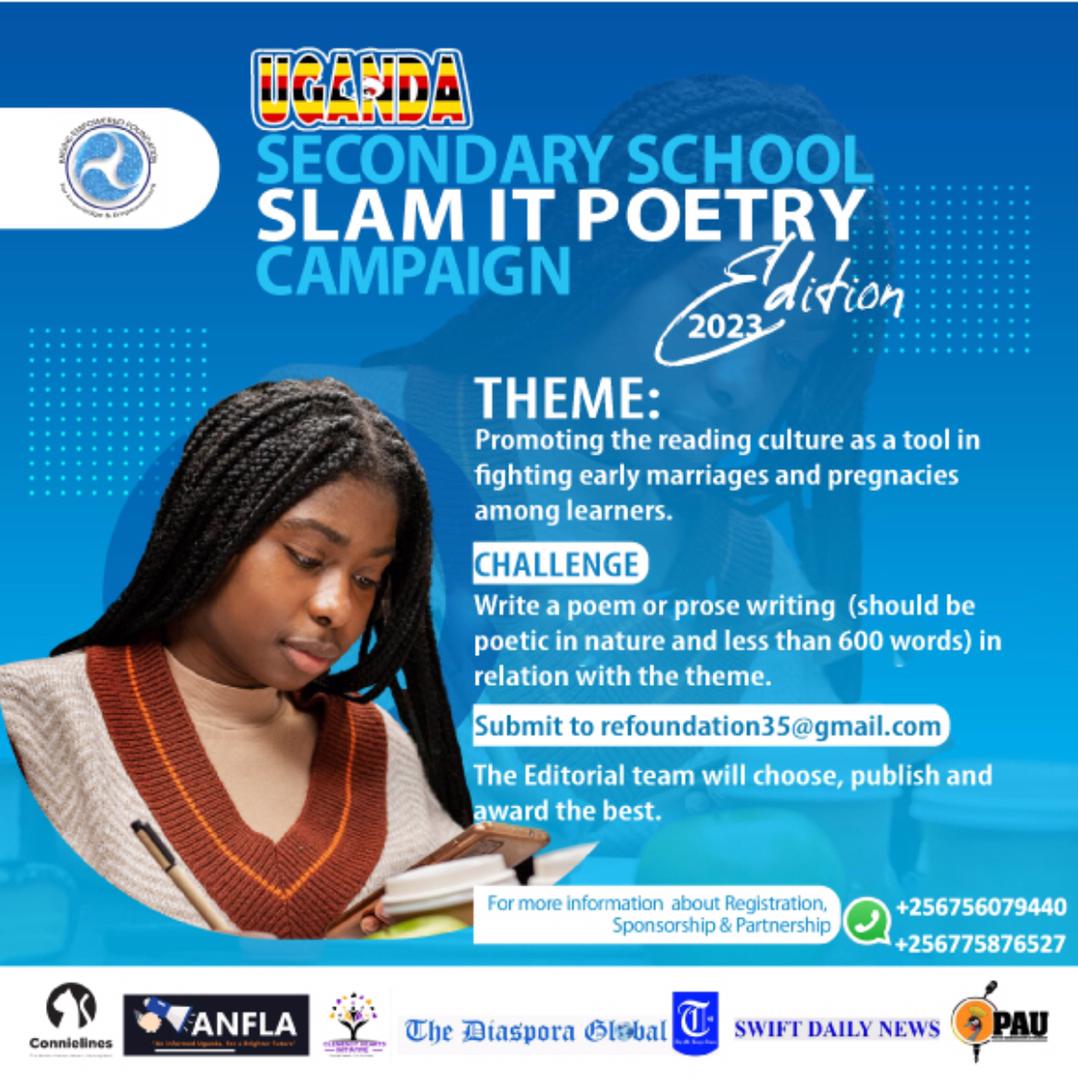
However at RAISING EMPOWERED FOUNDATION, we are using poetry to promote a reading culture as a tool to stand against early pregnancies and early marriages.
Early marriages continue to be prevalent issues in many societies, particularly among young girls. These practices have detrimental effects on the physical, emotional, and educational well-being of girls and perpetuate cycles of poverty and gender inequality. To address this issue, promoting the reading culture can serve as a powerful tool in empowering young girls and standing against early pregnancies and marriages. This aims to demystify the role of promoting the reading culture in combating these harmful practices.
- Education as an Empowering Force:
Education plays a crucial role in empowering individuals, especially girls, by equipping them with knowledge, critical thinking skills, and the ability to make informed choices. Promoting the reading culture encourages young girls to engage with literature that focuses on topics such as reproductive health, gender equality, and personal development. By reading books, articles, and educational materials, young girls gain valuable insights into their rights, options, and the consequences of early pregnancies and marriages.
- Expanding Horizons and Broadening perspectives
Reading exposes young girls to different cultures, experiences, and perspectives. It helps them develop empathy, critical thinking, and a broader understanding of the world beyond their immediate surroundings. By reading stories that depict the challenges and triumphs of characters who have overcome early pregnancies or marriages, young girls can find inspiration and hope for a different future. Literature can provide them with role models who have defied societal norms and pursued education, career opportunities, and personal growth.
- Fostering Emotional Intelligence and Self-Employment:
Reading allows young girls to explore complex emotions, understand their own feelings, and develop emotional intelligence. Through literature, they can encounter characters facing similar challenges and learn how to navigate difficult situations. By identifying with strong female protagonists who have overcome adversity, young girls can develop resilience, self-esteem, and a sense of empowerment. This emotional growth can help them resist societal pressures and make informed decisions about their own lives.
- Building Supportive Communities:
Promoting the reading culture creates opportunities for young girls to come together in book reading clubs and circles or community libraries. These spaces provide a supportive environment where they can discuss literature, share experiences and learn from one another. By creating safe spaces for dialogue and mentorship, young girls can develop a network of peers and mentors who encourage their educational aspirations and discourage early pregnancies and marriages. Reading communities also foster a sense of belonging and solidarity, empowering young girls to challenge harmful societal norms.
- Collaborating with Stakeholders:
To effectively promote the reading culture as a tool against early pregnancies and marriages, collaboration with various stakeholders is crucial. Schools, libraries, community organizations, and government agencies can work together with us to establish reading programs, provide access to books, and organize literacy campaigns that specifically address the issue. Engaging parents, teachers, and community leaders in these initiatives can help create a supportive ecosystem that values education and empowers young girls.
NOTE:
- Promoting the reading culture offers a powerful means to stand against early pregnancies and marriages by empowering young girls with knowledge, critical thinking skills and emotional intelligence. By expanding horizons, fostering self-empowerment, building supportive communities, and collaborating with stakeholders, we can create an environment where every girl has the opportunity to pursue education, make informed choices, and build a brighter future. Let us embrace the power of literature to transform lives and break the cycle of early pregnancies and marriages.
- Breaking the Cycle:
Breaking the cycle of early marriages and pregnancies requires a multi-faceted approach. Comprehensive sex education programs, accessible health care services, and legal reforms are essential in addressing this issue. Additionally, empowering girls through education , mentorship programs, and vocational training can provide them with the tools and support needed to resist societal pressures and make informed choices about their own lives.
IN CONCLUSION:
Early marriages and pregnancies pose significant dangers to young girls, impacting their physical health, educational opportunities, economic independence, and psychological well-being. Braking this cycle requires a holistic approach that includes comprehensive sex education, accessible health services, legal reforms, and empowerment through education and mentorship. By investing in the well-being and future of young girls, we can create a world where every girl has the opportunity to thrive, make choices for herself, and contribute to the betterment of society.
Compiled By: Dr. JOSH EINSTEIN
EMAIL: einsteinjoshuabrian02@gmail.com
PROGRAMS DIRECTOR AT RAISING EMPOWERED FOUNDATION
COURTESY OF RAISING EMPOWERED FOUNDATION IN PARTNERSHIP WITH MT.KENYA TIMES
IN CASE OF ANY EARLY OR FORCED CHILD PREGNACIES AND MARRIAGES, REPORT TO AUTHORITIES FOR INTERVENTION
Similar Posts by The Mt Kenya Times:
- Mt Kenya Times ePAPER October 21, 2026
- Kenya confirms ninth Ebola case as outbreak remains contained within single cluster
- Musk pledges SpaceX share for every American child in 2027
- Abiy calls for deeper Kenya-Ethiopia trade partnership at Eldoret ceremony
- Kenya’s oil moment: Promise, responsibility and the long road from Turkana to market
About the Author