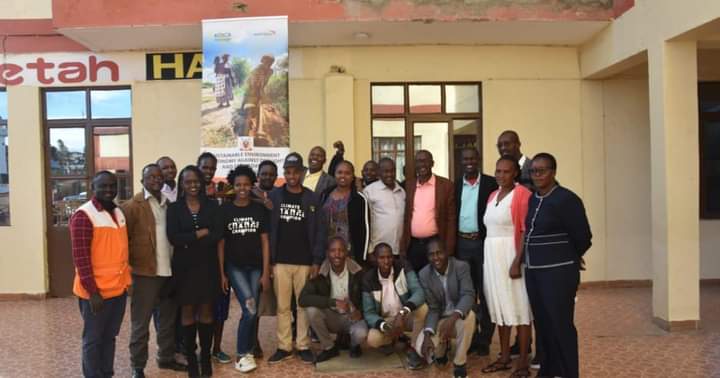

Community leaders in Loita and Naroosura ward in Narok South Sub County have been trained in environmental conservation and climate smart agriculture. Environmental expert Festus Barchok urged them to plant trees, embrace Climate Smart Agriculture (CSA), and educate on reducing livestock. Jared Otieno, Natural Resource Management officer at World Vision, emphasized the training’s aim to help communities restore forests and create strategic plans for forest restoration. Moses Naeku, a Naroosura ward leader, emphasized the importance of afforestation and organic farming practices. The training has been beneficial for the trainees.
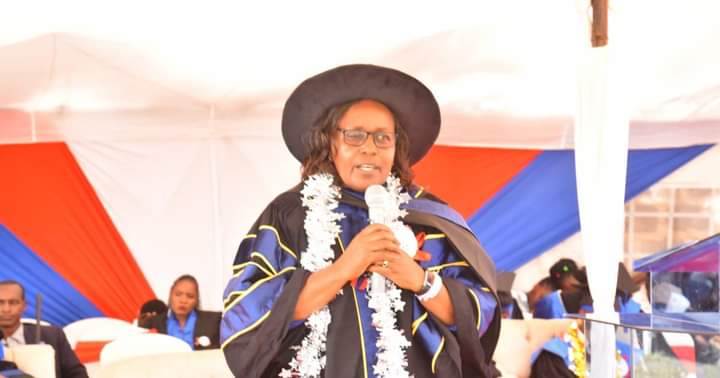
Kenya’s Director of Teacher Education, Dr. Salome Maina, has urged all teachers who graduated with certificates in Early Childhood Education (ECDE) and Primary Teacher Education (PTE) to upgrade to diploma level to conform to the Competency-Based Curriculum (CBC) implemented by the Education Ministry. The government is committed to producing a 21st-century teacher with the necessary teaching skills and adaptability to learner-centered approaches. Teachers are required to register with the Teachers’ Service Commission (TSC), familiarize themselves with the education reforms, and acquire legal and policy documents on education. The government is committed to ensuring equal opportunities for all Kenyans, and all are expected to actively participate in ensuring equal opportunities for both boys and girls. Over 1,200 students graduated in Teacher Education, Primary Teacher Education, and Early Childhood Development Education courses, alongside various TVET courses.

The World Health Organization (WHO) has reported a 13 percent reduction in all-cause mortality among children eligible for vaccination following the pilot implementation of the first malaria vaccine. The vaccine, which received WHO recommendations in 2021, is safe and effective in preventing malaria in children and is expected to have a high public health impact. Nine additional countries in sub-Saharan Africa are set to introduce the vaccine into their routine immunization programs starting in early 2024. The WHO policy recommendation for a second malaria vaccine, R21/Matrix-M, is now in place, and additional countries are planning for introduction. The global coverage for the first dose of HPV in girls rose from 16% in 2021 to 21% in 2022. The DRC’s National Immunization Technical Advisory Group has recommended adding the HPV vaccine to the national vaccination schedule. Measles is also making an unwanted comeback globally, with increased reports of the disease.
 Kenya’s National Chamber of Commerce and Industry (KNCCI) and Danish Institute of Business and Human Rights have conducted training on business and human rights for Embu County SMEs. The training aims to help SMEs understand their role in upholding and integrating human rights into their business strategies. KNCCI Trade official Joyce Chelagat emphasized the importance of respecting fundamental rights within their sphere of influence. The training also highlighted the need for farmers to understand the chemicals they should use and how they treat their workers. The training aims to promote sustainable enterprises and reduce litigation risks.
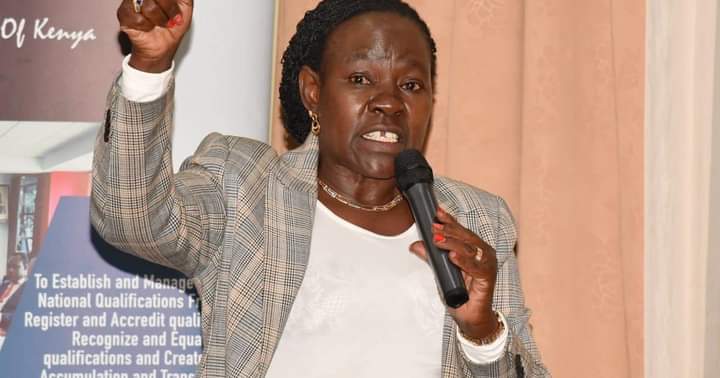 Kenya’s government is implementing a policy to upgrade qualifications acquired through Technical, Vocational Education and Training (TVET) and skills acquired beyond the classroom. The policy aims to improve the mobility of young people by encouraging them to advance their skills through continued learning. The policy will facilitate credit transfers, exemptions, and vertical and horizontal mobility of learners at all levels, enabling entry, re-entry, and exit. Education Cabinet Secretary Ezekiel Machogu said the policy will mark a significant milestone towards meeting national, regional, and continental aspirations on attainment of learner mobility and lifelong learning. The Kenya National Qualifications Authority (KNQA) Acting Chief Executive Officer, Dr Alice Kande, said the move to review the policy was timely as it will help the country create quality training for its young population. The policy framework will ensure no skill of knowledge is wasted, whether acquired through formal or informal processes outside the classroom.
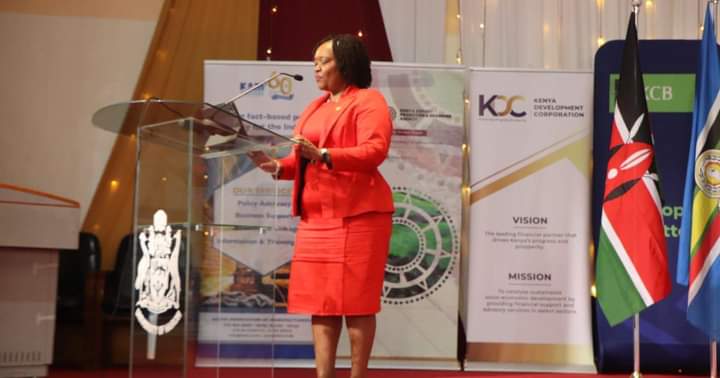
Kenya’s first-ever Industrialisation Conference, coinciding with Africa Industrialisation Day, aims to rejuvenate the country’s industrial landscape. The three-day conference, focusing on “Accelerating African Continental Free Trade Area (AfCFTA) Implementation through Value Chain Integration for Shared Prosperity,” emphasized the importance of Kenya positioning itself as Africa’s manufacturing hub. Cabinet Secretary Rebecca Miano emphasized the need for a robust manufacturing culture supported by well-designed systems, leading to enhanced industrial output, production diversity, and economic growth. The conference also highlighted four critical imperatives for Kenya’s industrialisation dream: quality and affordable energy, appropriate technologies, a skilled workforce, and finance for industrial development. The conference aimed to mark the beginning of a transformative industrial journey for Kenya, contributing to sustained economic prosperity in the future.
Alternative conflict resolution is usually cheap in time and money and less acrimonious.
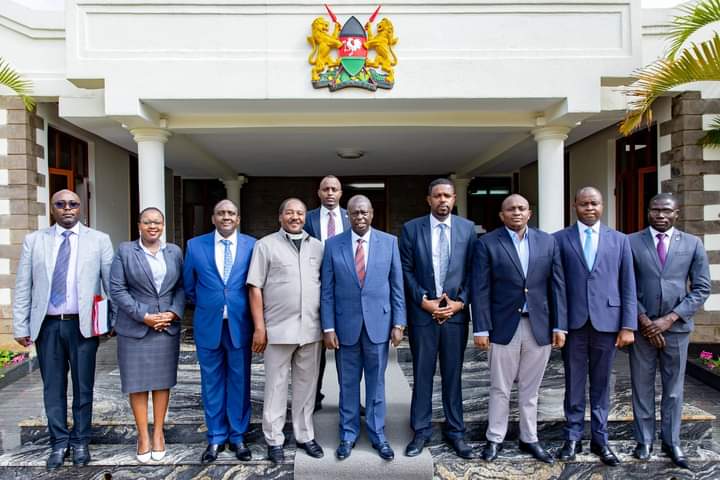
Yesterday, Deputy President Rigathi Gachagua held a fruitful consultative meeting with the leadership of the Kitengela PCEA Church, led by Moderator Rev. John Chang’ari, the Principal Secretary for Investments Abubakar Hassan, EPZ Chairperson Richard Cheruiyot and the CEO of EPZ Aden Hassan at his official residence in Karen over a disputed piece of land between the church and the government organization where a way forward was found.
They were joines by the MP for Kajiado North Onesmus Ngogoyo joined me at the meeting.
Similar Posts by The Mt Kenya Times:
- Mt Kenya Times ePAPER October 16, 2026
- Oburu marks birthday and brother’s death from Nairobi Hospital bed
- Natembeya and Orengo demand answers over security withdrawal
- Linda Mwananchi Movement: The brand that could reshape Ruto’s path to 2027
- ODM and Linda Mwananchi clash at Raila’s Bondo memorial
About the Author