Waiguru Calls For More Investment In Maternal Health For Sustainable Socio-Economic Development
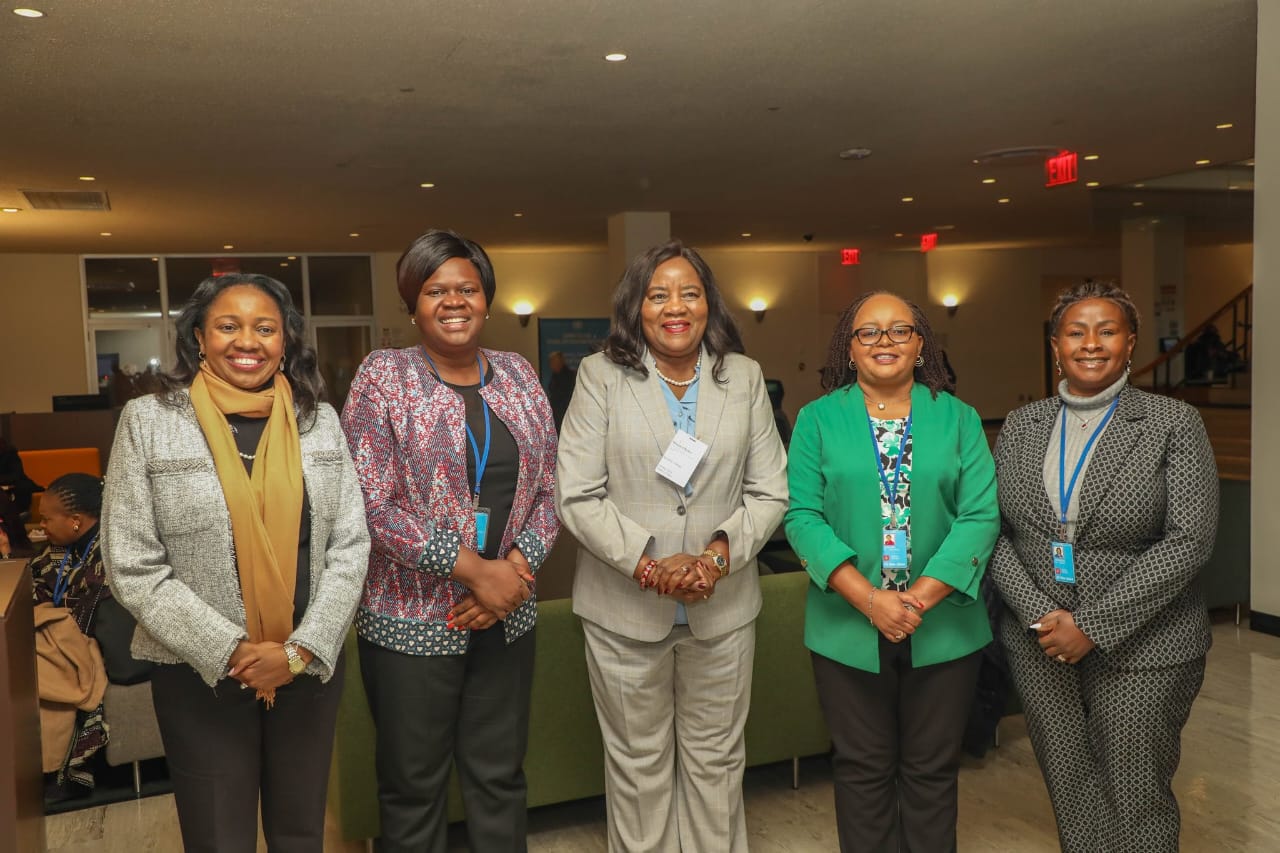
From left; Susan Kihika, Gladys Wanga, Ida Odinga, Ann Waiguru and Wavinya Ndeti in photo after the forum
By MKT Correspondent
Worth Noting:
- Council of Governors chairperson, Anne Waiguru said that leveraging health investments for maternal health is not only a humanitarian imperative but also a strategic investment in Kenya’s socio-economic development.
- “Kenya has made significant strides in maternal, infant, and child health in the past decade whereby, presently almost all pregnant women (98%) receive antenatal care from skilled providers at least once during pregnancy, with six out of ten receiving it four or more times. Nearly all births now occur under the care of healthcare workers, compared to about 60% in 2014. Additionally, two-thirds of married women (63%) are using contraception, with the majority (57%) opting for modern methods.” Noted the governor.
The Council of Governors chairperson, Anne Waiguru, has called for more investment in maternal health as a way of alleviating poverty for sustainable socio-economic development.
Speaking during a side event at the ongoing 68th session of Commission on Status of Women in New York, Waiguru said that the nexus between health, human rights and human development are undeniable.
She noted that poor health outcomes not only deepen poverty, but are also perpetuated by it, which calls for deliberate investing in maternal health and poverty alleviation strategies to disrupt this cycle and foster sustainable development.
“Prioritizing maternal health investments aligns with Kenya’s commitment to enhancing its human capital, since healthy mothers are more inclined to engaging in the workforce, bolster economic growth, and secure better outcomes for future generations” said the governor Waiguru.
She added that leveraging health investments for maternal health is not only a humanitarian imperative but also a strategic investment in Kenya’s socio-economic development.
“Kenya has made significant strides in maternal, infant, and child health in the past decade whereby, presently almost all pregnant women (98%) receive antenatal care from skilled providers at least once during pregnancy, with six out of ten receiving it four or more times. Nearly all births now occur under the care of healthcare workers, compared to about 60% in 2014. Additionally, two-thirds of married women (63%) are using contraception, with the majority (57%) opting for modern methods.” Noted the governor.
Waiguru, who is also the governor of Kirinyaga County, however, regretted that gender-based violence in Kenya remains a pressing issue with 13 per cent of women and 7 per cent of men reporting experiences of sexual violence. Additionally, 15 per cent of women and girls undergo Female Genital Mutilation which she said calls for urgent, intensified actions to confront these entrenched challenges.
She noted that limited access to affordable healthcare services due to financial constraints remains a significant challenge in Kenya and many other African countries.
“In order to achieve development, investing in health and removing financial barriers to healthcare is therefore imperative. By addressing health financing issues and optimizing investments, we can enhance access to maternal healthcare services, particularly for vulnerable populations, thereby mitigating poverty and improving maternal health outcomes” she told the session.
The COG Chair also pointed out that in 2001, African heads of state recognized inadequate health investment as a major issue and committed to allocating 15 per cent of their annual budgets to health at the Abuja summit. Many countries, including Kenya, however, fall short of this target, with only about 9 per cent of the budget allocated to health while development partner funding for health is also declining, which calls for innovative measures to bridge this gap.
Proper health financing strategies will enable countries progress towards universal health coverage through improved service coverage eventually reducing the number of millions of people who do not access health services due costs.
It will enable the implementation of various healthcare policies such as Digital Health Act, 2023 which is a step towards fortifying Kenya’s health sector by providing a wider legal basis for healthcare financing, health service provision, and universal healthcare coverage, as well as to strengthening the legal framework on the same. It will also enable the building of a Comprehensive Integrated Health Information System that shall be used in managing digital systems that are required during health information exchange. The act has also introduced ‘E-Health’, which is a recognized mode of health service delivery through provision of easy, safe, secure, reliable, and equitable health delivery services to individuals.
Waiguru said that it was the responsibility of all the leaders to unlock the challenges and ensure that equitable and quality health care is accessible without leaving anyone behind.
The session that was moderated by Justice Jacqueline Mogeni was attended by governors Gladys Wanga, Susan Kihika and Wavinya Ndeti of Homabay, Nakuru and Machakos respectively. Others in attendance included development partners, members of the civil societies as well as representatives from various states and governments.
Similar Posts by Aoma Keziah:
- Nationwide Youth Business Drive Enters Last Lap With New Nyota Trainings
- Green Light From Washington Sets G42 On Fast Track to Build Region’s Most Powerful AI Network
- Safina Eyes Kariobangi North Seat in Intensified Push Before Poll Day
- KEBS Opens Talks With Manufacturers On New Standards Levy Order 2025
- Kenya, Uganda And South Sudan Chart Way Forward On East Africa Rail Corridor
About the Author


 The Mt Kenya Times