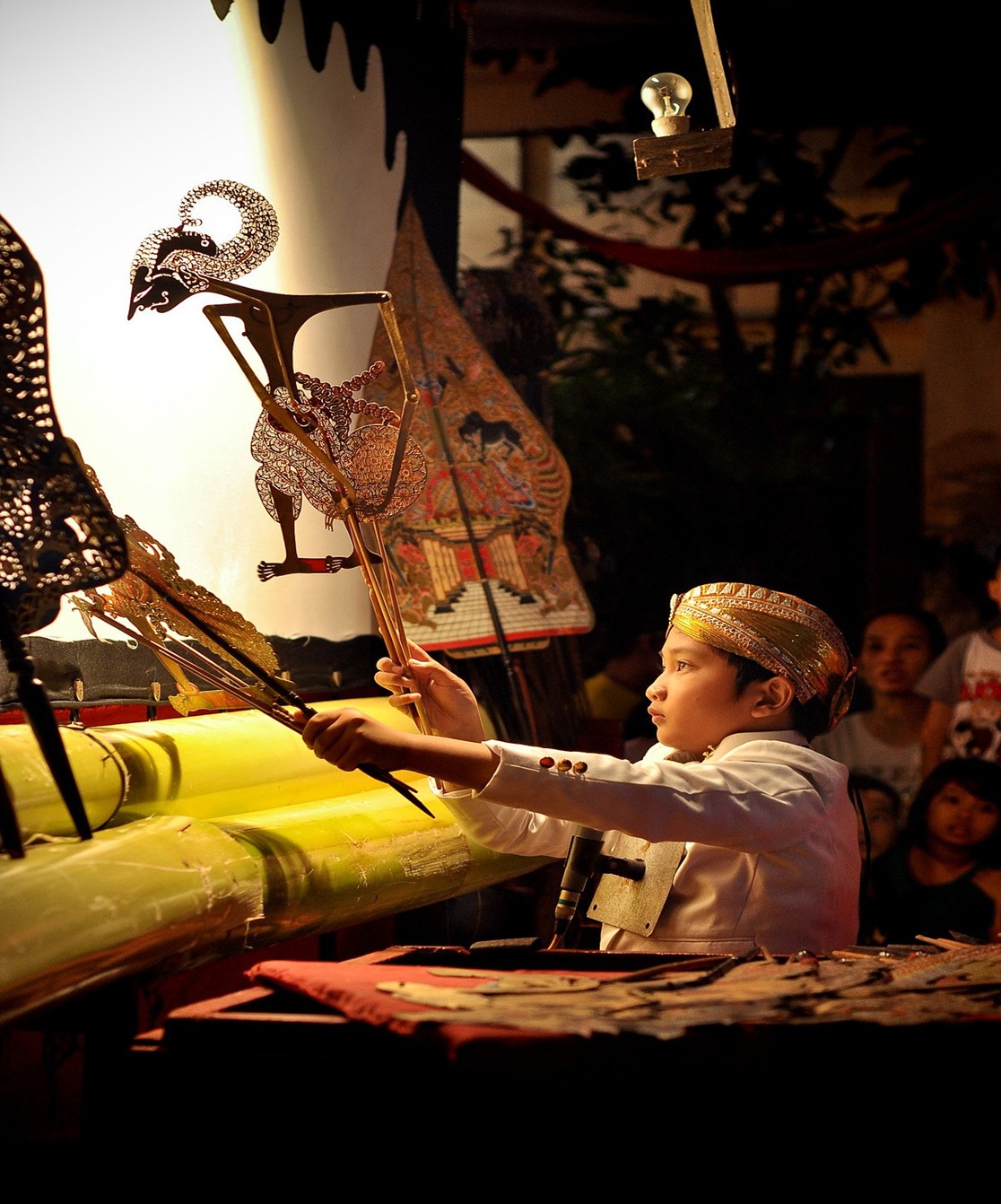

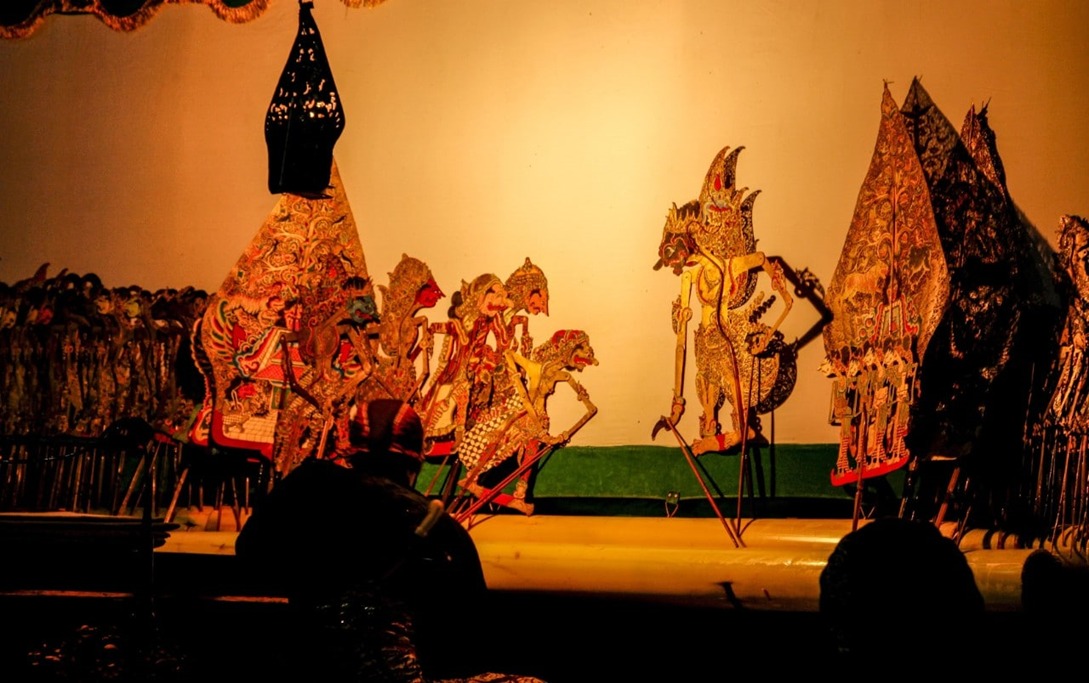
 Shadow puppetry is a popular traditional heritage in Indonesia, particularly in Java and Bali. It is called Wayang Theater in Indonesia. The origin of the term Wayang is related to the term Waang, which means “shadow”, “imagination” in the Javanese language. Nowadays, in Javanese and Indonesian dictionaries, wayang can refer to a puppet or puppet show. A puppeteer performs a shadow puppet behind a white cloth screen, which is lit behind so that the audience on the other side of the screen can see his shadow. At first, the white cloth was lit from the back by an oil lamp. It was called blencong. Currently, the backstage is lit by electric lights. The audience will learn the story of the shadows through the performance of the waang characters, whose images will appear on the screen. Despite the fact that Indonesia is recognized as the homeland of shadow theater, this type of traditional stage art also exists in China and India. But they made this decision because the wayang name and the main characters in the stories are reminiscent of Indonesian culture. It should be noted that in Indonesia itself there are several types of wayang by region:
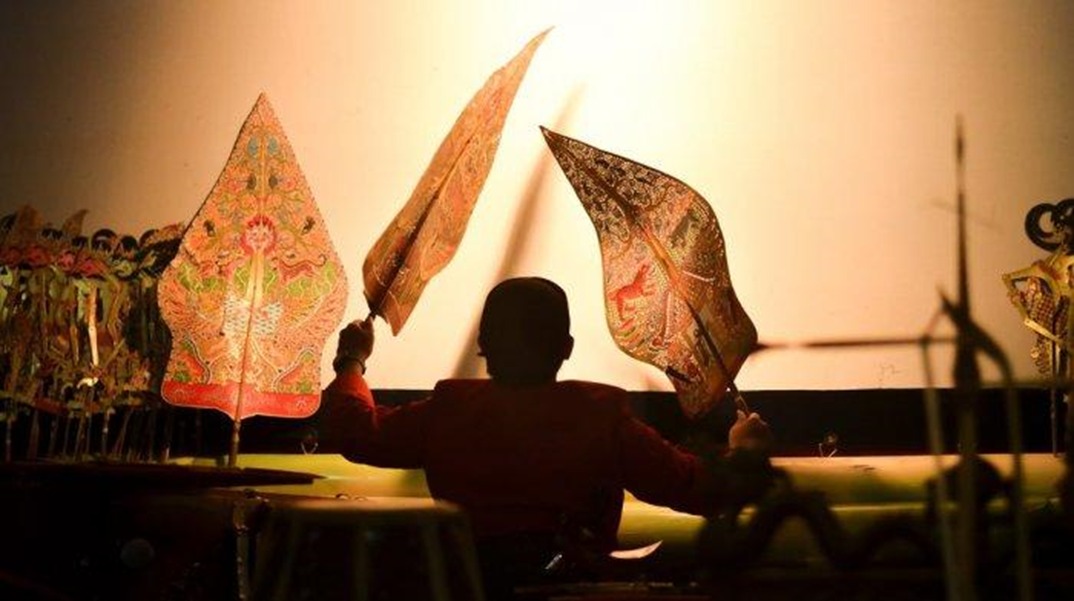 Banjar Shadow Puppet (South Kalimantan)
Wayang Palembang (South Sumatra)
Betawi Wayang (Jakarta)
Cirebon Shadow Puppet (West Java)
Sasak leather doll (Lombok)
Wayang Kulit Madura (Lost)
Wayang Siam (Kelantan, Malaysia)
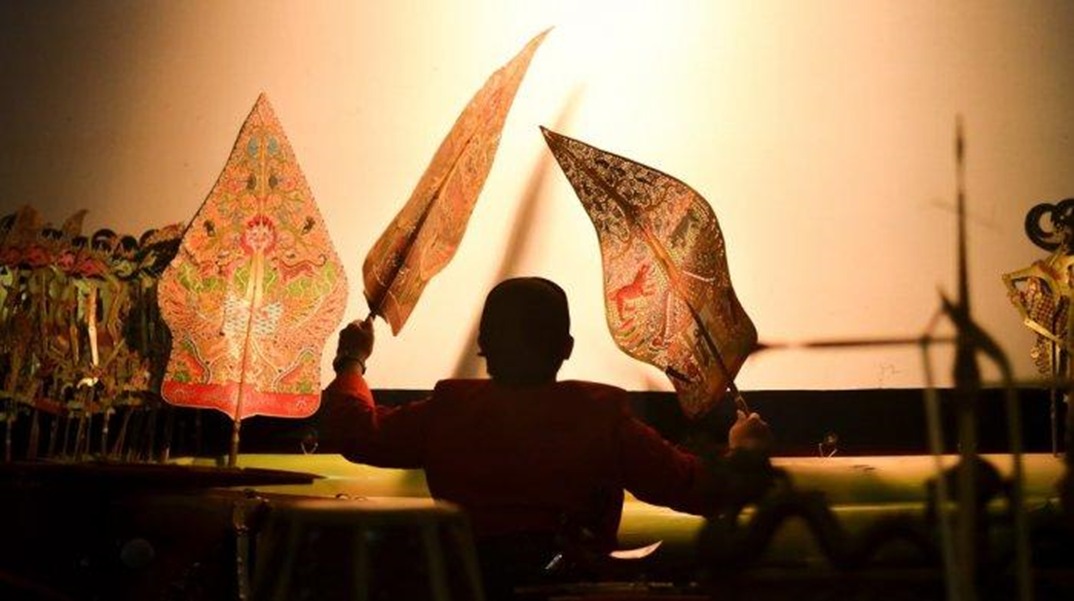
The appearance of the first Wayang theater was based on religious ideas and was interpreted as a kind of prayer. Its main goal is to encourage people to do good and refrain from bad deeds, and now different religions and beliefs are being addressed on its stage. In Wayang theater, the main performer is known as dalang, he is the puppeteer and narrator of the work. Dalang skillfully controls his puppets behind the scenes, voices the characters, narrates the story and often does not forget dialogues and jokes to engage the audience. In wayang art, the dalang is a highly respected and respected figure, as they are responsible not only for the technical aspects of the stage, but also for conveying cultural, moral and spiritual teachings through the stories they present. The stories often depict episodes from ancient epics such as the Ramayana and the Mahabharata, as well as local legends and moral tales. These epics are central to the Wayang Kulit tradition and are often adapted into shadow puppet theater performances, conveying moral and spiritual teachings through the characters and events depicted in the stories. In particular, the epic Ramayana tells the story of the rescue of Prince Rama’s wife Sita, who was kidnapped by King Ravana. The story deals with themes of duty, honor, love, and the triumph of good over evil, which is why the Ramayana is so beloved in Southeast Asian cultures. The Mahabharata is also an ancient Indian epic that tells the story of the Kurukshetra war between two royal families, the Pandavas and the Kauravas. The Mahabharata is rich in complex situations, philosophical teachings, and moral processes, and its themes of righteousness, loyalty, and honor are often reflected in Wayang theater. In addition to these epics, Wayang Kulit also incorporates local folklore, legends, and moral stories. Cultural traditions provide a variety of stories that entertain, educate, and emotionally support youth and visitors to the country. Dalang and Kui are also famous for their skills in wayang theater. The theater of living shadows serves to increase the flow of tourists to Indonesia.Making shadow puppets is a complex task, which is done by skilled craftsmen. These craftsmen are required to know national traditions, national decorations and national folklore well. In particular, making dolls includes several stages:
Skin preparation. The process begins with the preparation of buffalo hide, which is usually used to build dolls. Leather is moistened, scraped and stretched to achieve the desired thickness and texture for puppetry. Editing and cutting. Once the leather is ready, the craftsman carefully inscribes the intricate designs of the characters onto the leather, using traditional patterns as a guide. The designs are then precision cut, paying attention to preserving the details and maintaining the structural integrity of the dolls.
Carving and shaping. After the patterns are cut, the craftsman skillfully carves and shapes the leather, creating intricate details such as facial features, clothing and accessories for each doll. This delicate process requires precision and careful attention. Paint. The dolls are then painted with vibrant colors using natural dyes and pigments to bring the characters to life. Artists often use symbolic colors to express different qualities and emotions associated with traditional patterns and symbols. Assembly: After the painting is completed, the various parts of the doll like the body, arms and head are joined together using small threads and ropes. Such delicate processes allow the puppet to move freely during the performance. Shadow theater works together with a traditional orchestra called gamelan, which is made up of traditional musical instruments called metallophones, gongs, and drums. Gamelan music serves the audience by adding the atmosphere of the play and its own rhythm to the stage. Performances are often part of religious ceremonies, celebrations and social gatherings, and contribute to the preservation and transmission of traditional Indonesian beliefs and values. The musical instruments in the traditional gamelan ensemble on the Wayang Theater stage are usually made of metal, wood and bamboo. Specifically, a metallophone is an instrument with a metal grid that is struck to produce musical tones. They are often of different sizes, made of bronze or iron. Gongs are another important part of the gamelan, large pieces of metal that produce resonant, resonant sounds when struck with a hammer. Drums in a gamelan ensemble provide rhythmic accompaniment and are often made of wood, metal, or animal skin. And flutes are made of bamboo and are blown from above to create musical notes. In the wayang theater performance, the gamelan ensemble plays a crucial role in providing musical accompaniment to the shadow puppet theater. Each instrument is played using a hammer or hand technique to produce different tones and rhythms. The musicians follow the cues and directions of the dalang, respond to the movements and emotions of the shadow puppet characters, and work closely together for the perfect performance of the stage piece.
Wayang Kulit Theater was recognized by UNESCO on November 7, 2003 as an outstanding cultural work in the field of Masterpieces of the Oral and Intangible Heritage of Humanity. If you go to Indonesia, be sure to visit the Wayang Theater and enjoy it.
Usanova Muhklisa Tangirbek was born on February 26, 2003 in Zaamin District, Jizzakh Region. Currently, she is a 2nd year student of the Faculty of Eastern Civilization and History of the Tashkent State University of Oriental Studies. Her initial achievements are the 1st place in the Zakovat intellectual game “Creative” team at the university.
Similar Posts by The Mt Kenya Times:
- KCSE 2026: Can Kenya guarantee credible, fair and stress-free examinations for every candidate?
- Optimizing traffic flow at urban intersections and methods for reducing congestion
- Kenya as a global nation
- Hardship and peer pressure in universities
- Laikipia students swap lectures for Ingwamiti Hills
About the Author