Blockchain For Academic Integrity

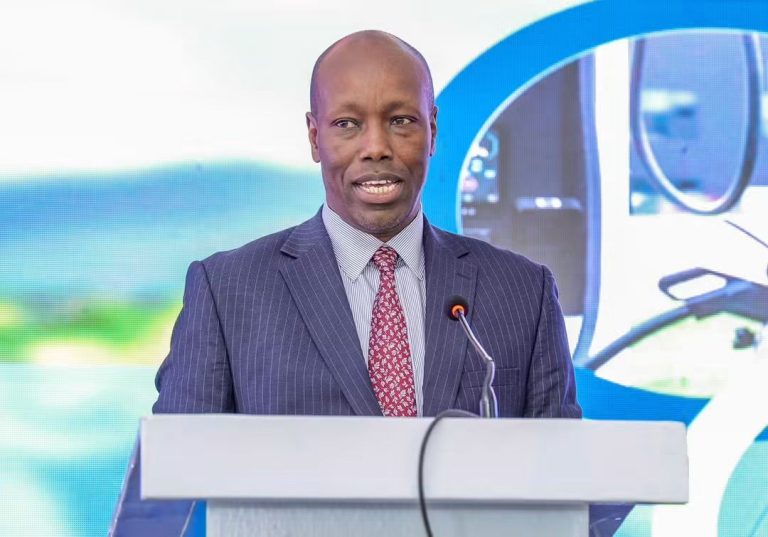
In a chilling twist, the recent remarks by Kenya’s Deputy President during the conclusion of the National Wage Bill conference about government officials with fake academic certificates are not to be taken lightly. Yet, to my utter horror, everyone present giggled. The acknowledgement that he has a list presented by “Luthuli Road University chancellors” of individuals they’ve awarded these certificates to, amplifies the systemic failures within our government. The audacity of these perpetrators to preach to the deputy president is even more alarming. Coming from such a high-ranking official, it tarnishes our country’s reputation on the global stage.
Addressing this epidemic is paramount to safeguarding the authenticity of our academic transcripts. Leveraging emerging technology like distributed ledger systems (DLT), known as the blockchain, offers a promising solution. DLTs are secure, transparent, and resistant to tampering, with no single point of failure. These time-stamped entries make forgery virtually impossible. Implementing this system in our educational institutions would ensure the integrity of academic records, as entries cannot be altered once recorded, and interested parties can verify the information.
Furthermore, as the Deputy President opined, recognizing alternative learning methods is a positive step. Excessive emphasis on certificates has spurred a frenzy of transcript accumulation through illicit means, undermining our societal well-being.
Ultimately it is not how many Certificates you have, but which skills you possess that can be of use to society. Therefore, prioritizing skills development within our education system is integral. Finally, Individuals who acquire skills through alternative pathways should be granted equitable opportunities for advancement. This inclusive approach fosters a culture of integrity and fairness.
Ndabari Thuku.
Blockchain Association Member
ndabarithuku@gmail.com
Similar Posts by The Mt Kenya Times:
- Diaspora Times Global Oct 17 – Oct 23, 2026
- Is social media a blessing or a curse for university students?
- Light at last: How electricity is reshaping Nandi and Uasin Gishu
- The triple squeeze: how EPRA’s fuel price hike is reshaping the survival equation for the common mwananchi
- Zelenskyy accuses Trump of rewarding Putin as Pope pleads for peace from a hospital bed
About the Author