Aoma Keziah
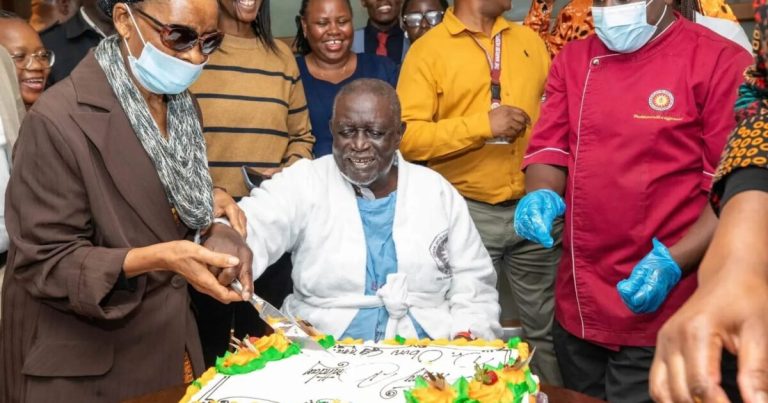
Principal Administrative Secretary Njenga Minjiri, the representative to PS Raymond Omollo, issuing his address
By Cynthia Masibo and Aoma Keziah
Worth Noting:
- The launch event also marked the beginning of NGOs Week 2024, an annual event designed to showcase the contributions of charitable organisations and facilitate the sharing of experiences. This year’s theme, “Building Synergy for a Sustainable Future,” calls on non-profits to work collaboratively with the government and other stakeholders to maximize their impact.
- “The PBO sector has long been recognized as crucial actors in driving sustainable development, and working at the forefront to address pressing societal challenges,” said Dr. Omollo. He specifically praised NGOs for their swift response in providing emergency relief during the recent floods that devastated several parts of the country. Local and international NGOs delivered essential aid, including food, clean water, medical supplies, hygiene kits, education materials, and temporary shelter to affected communities.
In a significant contribution to Kenya’s economy, Non-Governmental Organisations (NGOs) invested a staggering Sh197.9 billion in various projects over the past financial year. This figure, revealed in the Annual NGO Sector Report 2022/2023 launched yesterday, marks an increase of Sh12.4 billion from the previous year. The report underscores the crucial role of NGOs—recently rebranded as Public Benefit Organisations (PBOs) following the operationalisation of the PBO Act, 2013—in fostering sustainable development across the nation.

During the launch at the Kenyatta International Convention Centre (KICC), Internal Security and National Administration Principal Secretary Dr. Raymond Omollo highlighted the sectors benefiting from these investments. Delivered by Principal Administrative Secretary Njenga Miiri on his behalf, Dr. Omollo’s speech commended the collaboration between the government and PBOs in addressing various development challenges. He pointed out that funds were channeled into health, education, welfare, agriculture, water, and sanitation, among other critical areas.
The launch event also marked the beginning of NGOs Week 2024, an annual event designed to showcase the contributions of charitable organisations and facilitate the sharing of experiences. This year’s theme, “Building Synergy for a Sustainable Future,” calls on non-profits to work collaboratively with the government and other stakeholders to maximize their impact.
“The PBO sector has long been recognized as crucial actors in driving sustainable development, and working at the forefront to address pressing societal challenges,” said Dr. Omollo. He specifically praised NGOs for their swift response in providing emergency relief during the recent floods that devastated several parts of the country. Local and international NGOs delivered essential aid, including food, clean water, medical supplies, hygiene kits, education materials, and temporary shelter to affected communities.
Despite these positive contributions, Dr. Omollo expressed concern over the low compliance rate among NGOs regarding annual reporting. Out of 12,000 registered NGOs, only 2,828 filed their annual reports as required by law. “Despite having over 10,000 active NGOs, the actual contribution of this sector to the economy remains unclear due to these reporting deficiencies,” he noted. He directed the PBO Authority to enforce compliance strictly, including deregistering non-compliant organisations.
The government’s operationalisation of the PBO Act is a testament to its commitment to creating an enabling environment for non-state actors. This Act aims to enhance transparency, accountability, and efficiency within the sector, ensuring that NGOs operate within a robust regulatory framework. “The Act provides a broader civic space and is arguably one of the most progressive pieces of legislation in guaranteeing the freedom of association and assembly as provided for in Article 36 of our Constitution,” Dr. Omollo stated.
PBO Authority Chairman Mwambu Mabongah echoed these sentiments, urging NGOs to intensify their efforts in supporting the needy and vulnerable. Drawing on the biblical parable of the Good Samaritan, Mr. Mabongah encouraged NGOs to act as good neighbors and provide aid to those in extreme need within their operational areas. He assured stakeholders that the Authority is committed to implementing the new law effectively.
Executive Director Mutuma Nkanata outlined the Authority’s role in guiding NGOs through the transition to the new legal regime. He emphasized the importance of aligning NGO programs with Kenya’s national development plan, including the Bottom-up Economic Transformation Agenda. “Pursuant to the Authority’s policy guideline role, we will continue to publish the Annual NGO Sector Report and provide guidance to PBOs on aligning their programmes with national development goals,” said Mr. Nkanata.
As NGOs Week 2024 progresses, the sector’s contributions and challenges will be under the spotlight. The week’s activities are set to provide a valuable platform for PBOs to showcase their work, share best practices, and forge stronger partnerships for a sustainable future. The government, through the PBO Act and continued engagement with the sector, aims to harness the full potential of NGOs in driving national development and addressing socio-economic challenges.
In conclusion, the Sh197.9 billion investment by NGOs is a testament to their vital role in Kenya’s development landscape. With enhanced transparency, accountability, and collaboration, the sector is poised to make even greater strides in the years to come.
Similar Posts by Aoma Keziah:
- Nationwide Youth Business Drive Enters Last Lap With New Nyota Trainings
- Green Light From Washington Sets G42 On Fast Track to Build Region’s Most Powerful AI Network
- Safina Eyes Kariobangi North Seat in Intensified Push Before Poll Day
- KEBS Opens Talks With Manufacturers On New Standards Levy Order 2025
- Kenya, Uganda And South Sudan Chart Way Forward On East Africa Rail Corridor
About the Author

 The Mt Kenya Times