Nakuru bicycle riders

By: Frank Mugambi
Worth Noting:
- Riders like Kariuki are aware of their role in supporting the health of their customers. “We get a lot of clients who prefer bicycles because it’s a calmer, more relaxed way to travel. It makes us feel good to know we’re helping people stay healthy,” he says.
- Despite the simplicity of their business, many boda boda riders are not entirely cut off from technological advancements. Mobile phones, for instance, have become an indispensable tool for riders and their clients. “We use WhatsApp and other apps to communicate with our regular customers,” says Peter Njoroge, another rider. “It helps us know where to pick them up and when. It saves time and ensures we are always busy.”

On the streets of Nakuru, bicycle riders are a testament to the city’s culture and economy.
Despite the rapid modernization and introduction of motorable, these riders continue to thrive, offering an essential service to locals and visitors alike, who would want cheaper and faster means to get to their destinations.
Through a series of interviews with boda boda riders and their customers, this story explores why and how these riders operate their businesses, the impact of technology, and the challenges they face.
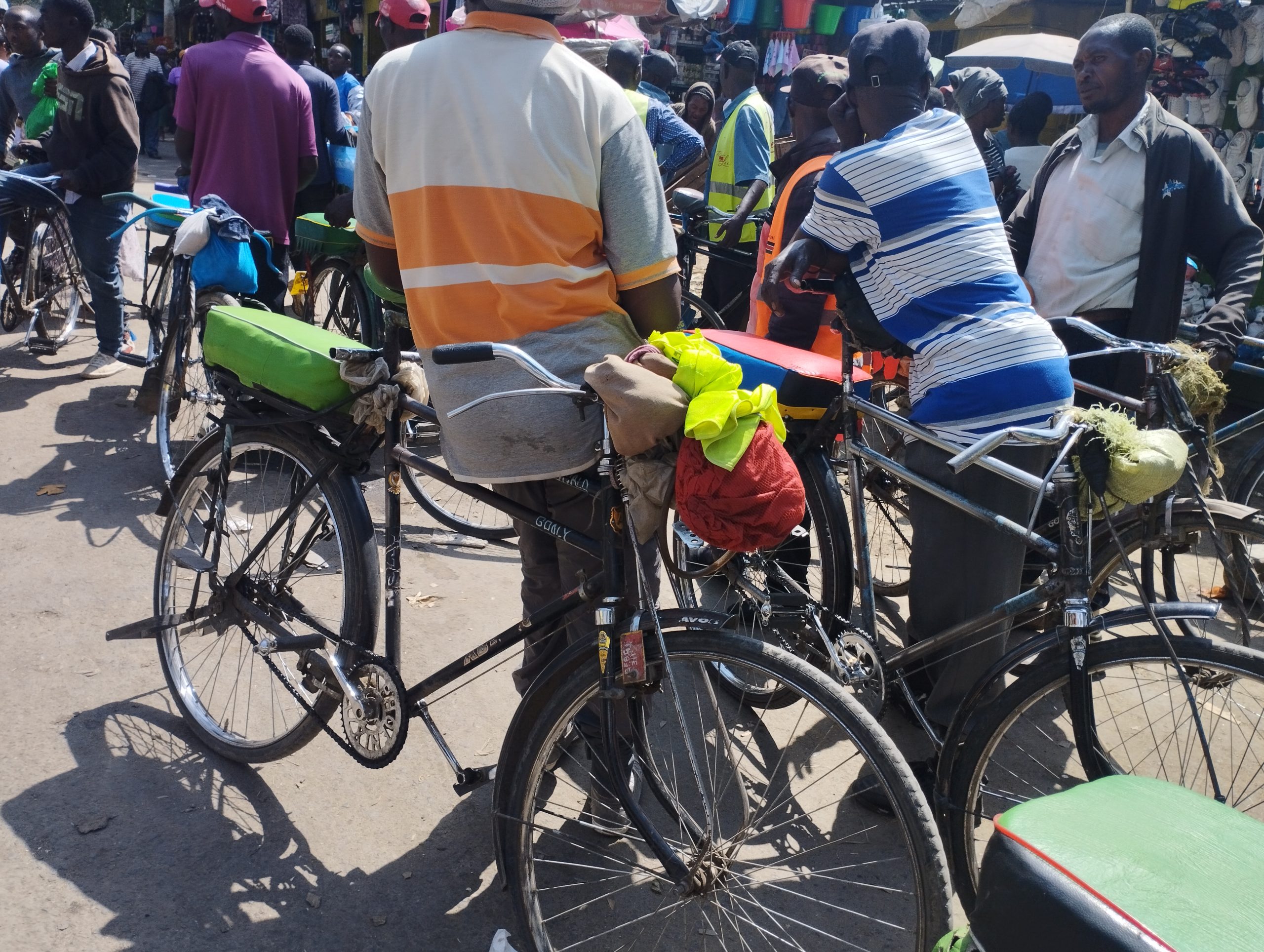
Bicycle boda bodas have long been a staple in Nakuru’s transportation network. For many, they offer an affordable and convenient alternative to motorized transport.
Samuel Kariuki, a seasoned boda boda rider with over a decade of experience, explains, “Many people prefer bicycles because they are cheaper and can navigate through traffic more easily. We can get to places that cars and motorbikes can’t.”
Customers like Jane Wambui appreciate this flexibility. “I often use bicycle bodas to get to the market. They are reliable during rush hours because they can weave through traffic,” she says. This adaptability makes bicycle bodas an invaluable part of Nakuru’s daily commute, especially in congested areas where motorized vehicles struggle.
For individuals with health conditions like high blood pressure, the choice of transport can significantly impact their well-being. John Kimani, a regular bicycle boda boda customer, highlights this point. “I have high blood pressure, and my doctor advised me to avoid stressful situations, including being stuck in traffic. Bicycle bodas are perfect because they are less stressful and provide a smoother ride.”
Riders like Kariuki are aware of their role in supporting the health of their customers. “We get a lot of clients who prefer bicycles because it’s a calmer, more relaxed way to travel. It makes us feel good to know we’re helping people stay healthy,” he says.
Despite the simplicity of their business, many boda boda riders are not entirely cut off from technological advancements. Mobile phones, for instance, have become an indispensable tool for riders and their clients. “We use WhatsApp and other apps to communicate with our regular customers,” says Peter Njoroge, another rider. “It helps us know where to pick them up and when. It saves time and ensures we are always busy.”
The integration of mobile technology into their operations has enhanced efficiency and customer satisfaction. Regular customer, John Mwangi, notes, “I can just send a text, and my usual rider knows where to find me. It’s very convenient, especially when I’m in a hurry.”
However, while some riders have embraced these changes, others face difficulties. “Not everyone can afford a smartphone or knows how to use these apps,” Njoroge adds. “Training and resources are limited, so many still rely on traditional methods like waiting at specific spots or using basic phones.”
Despite the benefits, the digital era also brings significant challenges to bicycle boda boda riders. The rise of ride-hailing apps like Uber and Bolt, which predominantly feature motorized vehicles, poses a threat to their livelihood. “We can’t compete with motorbikes in terms of speed or the range we can cover,” Kariuki admits. “Some customers prefer the faster rides, even if they cost a bit more.”
Furthermore, the maintenance of bicycles remains a significant concern. Unlike motorbikes, which can travel longer distances without frequent repairs, bicycles require regular upkeep. “It’s expensive to keep the bicycles in good condition, especially with the rough roads in some parts of the city,” says Wambui. “Sometimes, I have to spend a significant part of my earnings on repairs.”
Despite these challenges, one of the most compelling reasons customers stick with bicycle boda bodas is the personal connection they share with the riders. “I’ve known Peter for years,” says Mwangi. “He’s more than just a boda rider; he’s a friend. I trust him with my children, and he knows my family. You don’t get that with an app.”
This sentiment is echoed by many customers who appreciate the personalized service and the sense of community fostered by these interactions. For riders, building such relationships is essential for sustaining their business. “Regular customers are our lifeline,” says Kariuki. “They bring stability to our income. We know their routines, and they trust us.”
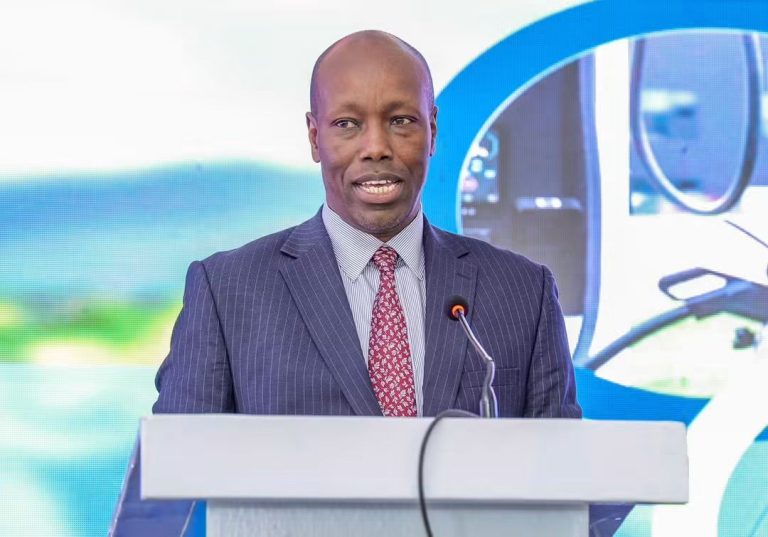
During an interview with Nakuru city manager Mr. Gitau Thabanja the city manager about his plan to harness transportation in the city, he highlighted some of the plans set to be allocated a budget for this purpose. “We have a plan and we are going to allocate funds for it to be executed as soon as possible. We are not leaving anyone behind, from the simplest means of transport to air transport,” Gitau exclaimed.
Mr. Gitau pointed out that they are going to come up with sheds and renovate side lanes designated for boda bodas. He also adds that the lanes will be marked in order to achieve orderly transportation. “We are going to work on the sheds and side lanes set for boda bodas, including marking them so that everyone understands their purpose and to ensure they are used appropriately,” Gitau added.
The city manager also insisted on introducing ample parking for the bicycles by coming up with a way for riders to lock their bicycles in the sheds and be assured of their bikes’ security as they go on with other activities.
As the county plans to achieve reliable and smooth transportation in the city, bicycle boda bodas are set to benefit from easier navigation and ample parking sheds. This sentiment is echoed by many customers who appreciate the personalized service and the sense of community fostered by these interactions.
The uncertain future of bicycle boda bodas in Nakuru now seems brighter with the initiatives set to foster their operations. Riders like Kariuki are optimistic: “There’s always going to be a need for affordable and flexible transport, and the plans by the county government will guarantee the reliability and good performance of our business,” he asserts.
The riders also commented that innovations in bike design, such as electric bicycles, could provide a middle ground, offering the benefits of motorized transport while maintaining the affordability and maneuverability of traditional bicycles. “If we had electric bikes, it would change everything,” Njoroge mused. “We could cover more distance and still be cheaper than motorbikes,” he added.
Meanwhile, this community appreciates the local government’s support, which will play a crucial role in sustaining this vital sector. “We are grateful for being finally remembered by the government, and this means a lot to our hustle. We anticipate more income generation” Kariuki
Similar Posts by The Mt Kenya Times:
- Mt Kenya Times ePAPER October 17-18, 2026
- Ruto bets billions on Kerio Valley — with one eye on 2027
- Ruto’s health ministry kills Murang’a’s digital hospitals
- Kenya bets on Mount Kenya to drive a billion-shilling tourism revival
- Do you have a wealth vision? Or are you just working until you die?
About the Author