Sharp price hikes announced by EPRA this month have set off a chain reaction that reaches far beyond the petrol station
By Sharon Mumo
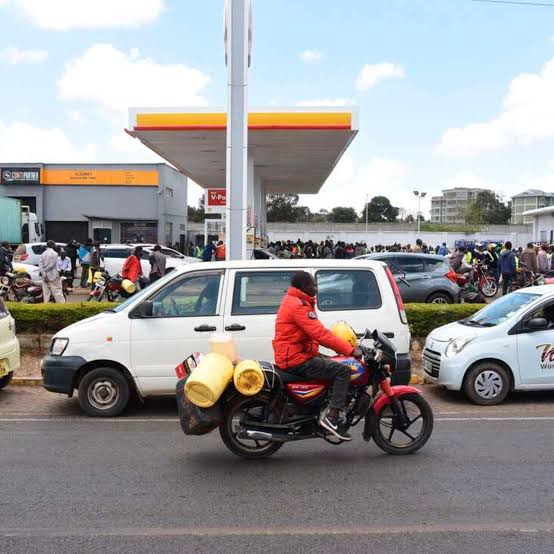
Kenyans woke up this month to fuel prices that cut deeper than most had anticipated. The Energy and Petroleum Regulatory Authority’s latest review, effective 14 October to 15 November 2026, pushed super petrol in Nairobi from KSh 214.03 to KSh 226.96 per litre. Diesel rose to KSh 227.76, up KSh 9.90. Kerosene — the fuel of the poorest households — jumped KSh 28.49 to KSh 219.87. These are not abstract figures. They translate directly into higher matatu fares, costlier groceries and thinning margins for small traders already operating on the edge.
Fuel is the connective tissue of Kenya’s economy. It moves produce from farm to market, powers industries and keeps public transport running. When its price rises sharply, the burden cascades downward — and it is invariably those with the least who absorb the heaviest blow. University students stretching limited budgets, low-income workers dependent on matatus and small-scale farmers trucking goods to market all feel it first and feel it hardest.
The government has a responsibility to act beyond issuing price reviews. Transparent fuel pricing mechanisms, enforcement against profiteering and serious investment in public transport and renewable energy are not optional conversations — they are overdue policy imperatives.
Individual adaptation helps at the margins. Carpooling, journey planning and efficient logistics can soften the immediate impact. But no amount of personal adjustment substitutes for structural solutions.
Kenya’s fuel crisis is ultimately a governance test. Kenyans deserve affordable, stable energy — and a government willing to fight for it on their behalf.
Similar Posts by The Mt Kenya Times:
- Mt Kenya Times ePAPER November 13, 2026
- Ruto unveils education gains at Mombasa school heads conference
- Catholic bishops warn Parliament against electoral bills that could undermine 2027 vote
- Crystal Asige takes on KRA over disability tax rules she says undermine hard-won rights
- Linda Mwananchi tops Nairobi as TIFA poll reshapes Kenya’s 2027 political map