Charting an Equitable Future for DNA and Ancient DNA Research in Africa
 The Mt Kenya Times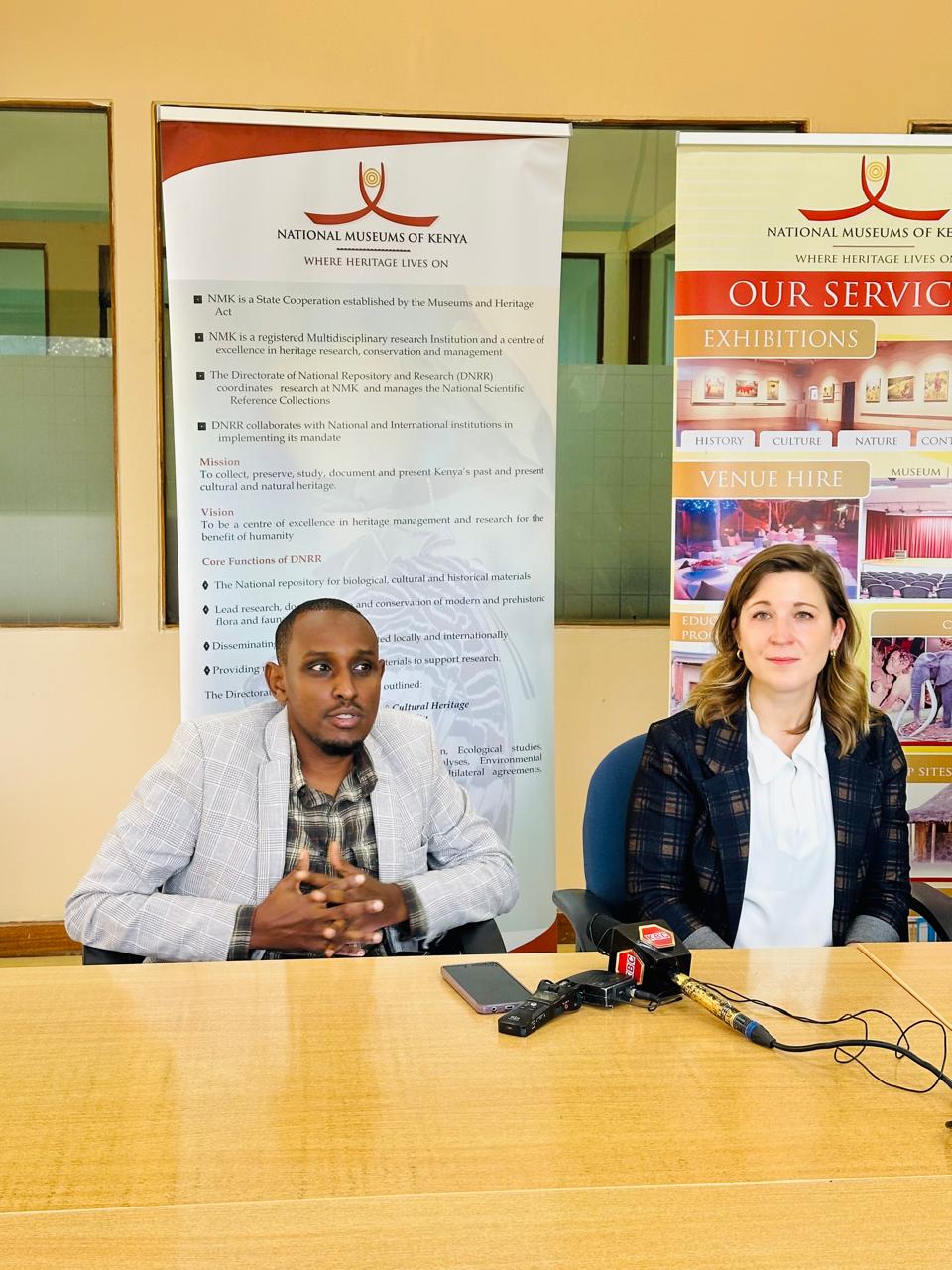
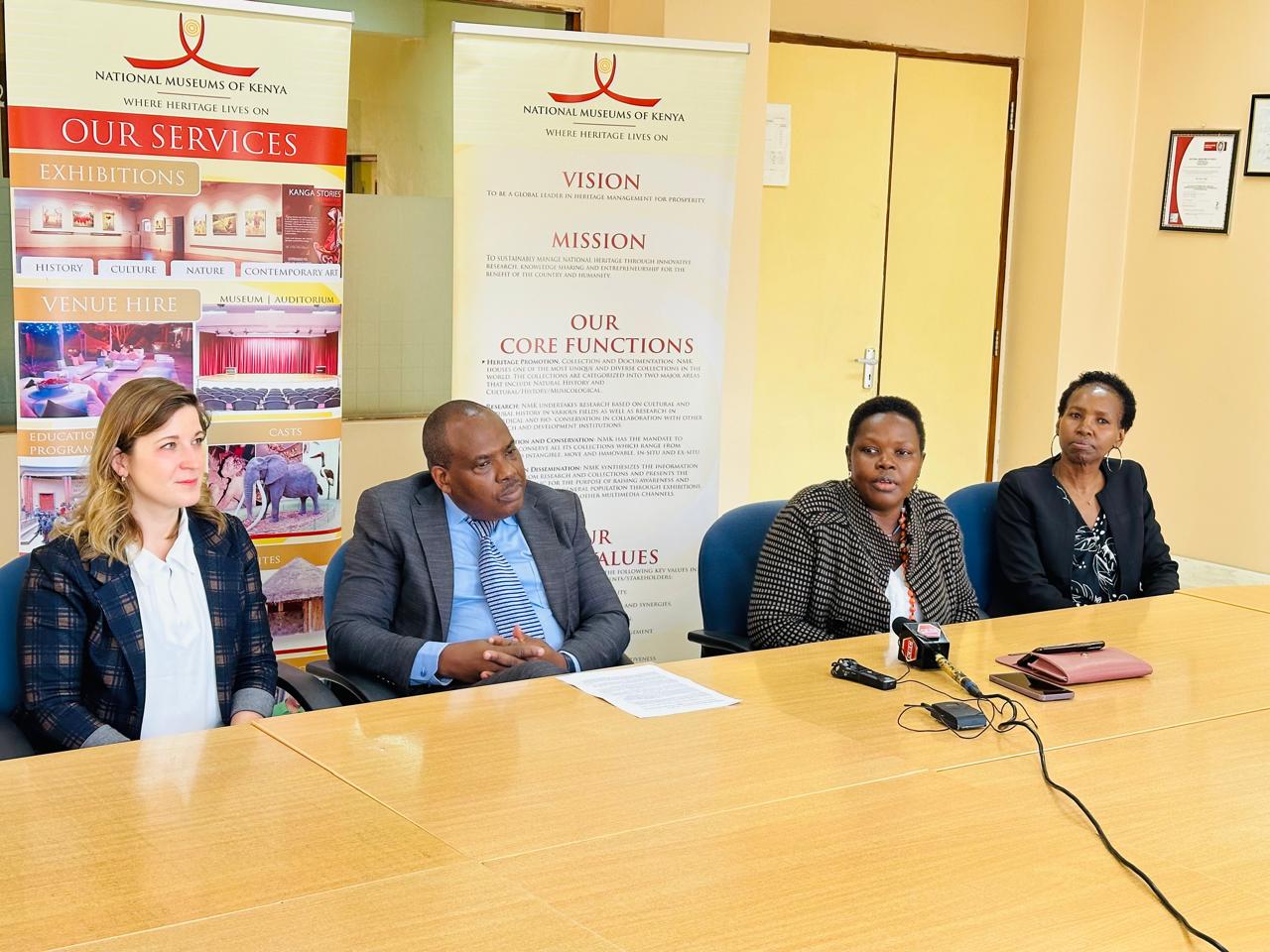
NMK scientists addressing the press at the Nairobi National Museum for the forthcoming paper in American Journal of Human Genetics
New Paper in the American Journal of Human Genetics Sets a Vision for Achieving Equitable Genomics Research in Africa Over the Next Decade
By Cynthia Masibo and Clive Ayuko
Worth Noting:
- “Step one is to discuss African research in Africa,” asserts Dr. Sawchuk, the Cleveland Museum of Natural History’s Associate Curator of Human Evolution. “Many African scholars face major barriers to attending genetics conferences held in North America and Europe, limiting their ability to lead and partner in DNA and aDNA research. Holding conversations in Africa allows voices and perspectives that have been historically sidelined to be heard.”
- “This study involved researchers from both the Global North and the Global South and underscores the potential DNA and ancient DNA hold for understanding ancient and modern human populations,” said Dr. Fredrick Kyalo Manthi, Director of Antiquities, Sites and Monuments for the National Museums of Kenya. “It amplifies the need to train more African scholars, particularly in studies related to ancient DNA.”
 A new perspective piece published today in the American Journal of Human Genetics highlights the urgent need for an equitable and inclusive future in DNA and ancient DNA (aDNA) research across Africa. This groundbreaking paper, authored by an international team of 36 scientists from Africa, North America, Asia, Australia, and Europe, was spearheaded by Dr. Elizabeth (Ebeth) Sawchuk from the Cleveland Museum of Natural History and Dr. Kendra Sirak of Harvard University.
DNA from both ancient and living African populations holds critical importance for researchers studying human evolution and population history. Africa boasts the greatest human genetic diversity on the planet, yet only a small fraction of this diversity has been thoroughly examined. With scientific advancements accelerating over the past decade, the landscape is rapidly changing. Increasing amounts of genomic data from both ancient and contemporary African people are being published each year, positioning African DNA and aDNA research for significant expansion in the upcoming decade. Despite the growing international interest, African scientists remain starkly underrepresented in research teams and in the planning and execution of scientific projects.
Bringing African Research to the Forefront
“Step one is to discuss African research in Africa,” asserts Dr. Sawchuk, the Cleveland Museum of Natural History’s Associate Curator of Human Evolution. “Many African scholars face major barriers to attending genetics conferences held in North America and Europe, limiting their ability to lead and partner in DNA and aDNA research. Holding conversations in Africa allows voices and perspectives that have been historically sidelined to be heard.”
The new paper stems from the pioneering “DNAirobi” workshop held at the National Museums of Kenya in May 2023. Co-organized by scientists from the Cleveland Museum of Natural History, National Museums of Kenya, Harvard University, and Rice University, DNAirobi brought together geneticists, archaeologists, and educators from across Africa and around the world to discuss the future of DNA and aDNA research on the continent. The article encapsulates the outcomes of these discussions and presents a bold vision for the research landscape over the next ten years.
A Collaborative Effort for Ethical Genomics Research
“This study involved researchers from both the Global North and the Global South and underscores the potential DNA and ancient DNA hold for understanding ancient and modern human populations,” said Dr. Fredrick Kyalo Manthi, Director of Antiquities, Sites and Monuments for the National Museums of Kenya. “It amplifies the need to train more African scholars, particularly in studies related to ancient DNA.”
The paper also addresses the challenges inherent in DNA and aDNA research in Africa and beyond. The study of genetic sequences, whether modern or ancient, necessitates great care due to the potential impacts on both the living and the dead. Scholars widely agree that such research should be the product of equitable partnerships, engage diverse audiences—including relevant communities—and encompass a range of perspectives, all while fostering capacity building. Although a growing body of literature over the past decade has focused on the ethics of genetics research, adapting general best practice recommendations to specific geographic contexts remains difficult. Developing a roadmap for ethical DNA and aDNA research in Africa is particularly challenging, as fewer studies have been conducted on the continent, and guidelines developed elsewhere often do not fit well.
Beyond Guidelines: Structural Changes Needed
The new paper goes beyond establishing Africa-specific guidelines for genomic research. “We all want to carry out research that is equitable, engaged, and inclusive,” said Dr. Sirak, Senior Scientist in Genetics at Harvard Medical School. “Our paper examines some of the structural barriers that currently stand in the way of creating a research ecosystem that facilitates this type of research—for example, a lack of accessible training opportunities, ineffective communication between scientists and the interested public, and a history of exploitative research practices on the African continent. We attempt to articulate how we as researchers can encourage the continued growth of ethical genomics research in Africa with high-level structural changes to the way that science is designed and supported, that we know must ultimately take place.”
A Vision for the Future
Ultimately, there is no singular path forward for DNA and aDNA research in Africa. As research landscapes evolve alongside science and society, scholars must remain flexible and adapt to new challenges and opportunities. To aid this process, the paper’s authors identify several “landmarks” to guide research teams toward an equitable and inclusive future for genomics research. These landmarks include changing how and with whom results are communicated, reimagining what equitable partnerships look like, and focusing on improving scientific literacy for all. Implementing best practices for ethical DNA and aDNA research requires addressing deep imbalances in power and resources.
“We seek to build a dynamic research ecosystem in which African scholars can effectively lead and partner in genomics research, and access the collaborators, labs, and funding they need to achieve their goals,” said Dr. Christine Ogola, Head of Archaeology at the National Museums of Kenya. “The solution is not to immediately build population history-focused DNA and aDNA labs on the continent, which would be unrealistic at present to staff and maintain. Instead, we need to focus on building capacity and infrastructure in ways that sustainably support research leadership.”
A Call to Action
The authors conclude with a call to action for laboratories and funding bodies to commit more resources to African scholars, either directly or in cooperation with institutions that provide training and capacity-building opportunities. There is an inherent tension between the fast-paced nature of genomics research—driven by the need for labs to generate and publish results to secure funding—and the slower, more deliberate work of meaningfully engaging communities to build trust and equitable partnerships. Without the necessary infrastructural support to create an equitable research ecosystem, implementing best practices for African DNA and aDNA research will remain a challenge.
“Africans are the primary knowledge holders of African samples, data, and historical contexts. We want more access to DNA and aDNA research and the resources and training to support more African-led studies in the future,” says Dr. Emmanuel Ndiema, Head of Earth Sciences for the National Museums of Kenya. “An ethical and equitable future for African genomics research requires investing in entire societies and the next generation of scholars, work that will take decades and have impacts that go far beyond genetics research.”
This vision for the future marks a significant step toward ensuring that the rich genetic heritage of Africa is studied and preserved in a manner that is both ethical and inclusive, paving the way for groundbreaking discoveries in human history and evolution.
Similar Posts by The Mt Kenya Times:
- Ruto tells UN: Africa’s crisis is rigged rules, not empty coffers
- Njogu’s diaspora agenda gains fresh impetus as Kenya launches investment platform
- Eldoret to host 2026 UN Tourism Week: Can the North Rift redefine Kenya’s tourism story?
- After Madrid chaos derby: Mourinho pulls out the printer
- Smart classroom revolution hits Nyeri schools
About the Author