Eldoret to host 2026 UN Tourism Week: Can the North Rift redefine Kenya’s tourism story?
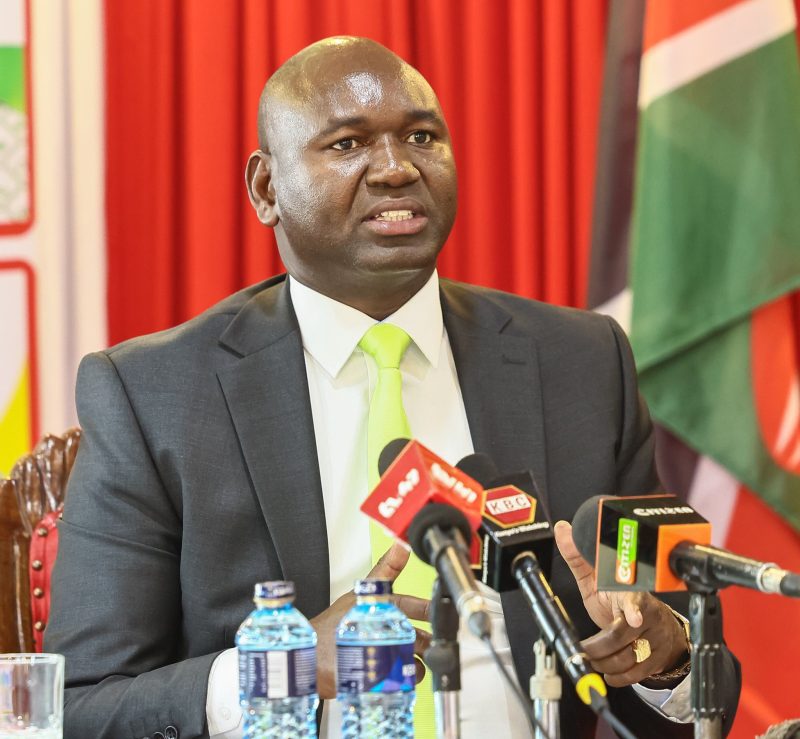
Tourism Principal Secretary Julius Bitok
The city known for producing champions is about to host the world — and the bigger question is what happens after the delegates go home
By Collins Kibet
Eldoret is preparing to step into an international spotlight that has rarely been directed this far from the coast or the savannah. The city will host the 2026 UN Tourism Week at the University of Eldoret grounds, drawing together tourism stakeholders, government officials, investors, scholars, conservationists and members of the public in what promises to be one of the most significant gatherings the North Rift has ever hosted.
For Eldoret, this is not simply an international event on a calendar. It is an argument — a chance to make the case that Kenya’s tourism story is bigger, more varied and more interesting than the version most of the world currently knows.
The timing is significant. Tourism globally is changing fast. The event’s theme centres on the digital agenda and artificial intelligence in redesigning tourism, reflecting a broader shift in how destinations attract visitors, communicate their offering and shape the traveller’s experience. From digital marketing and online booking platforms to AI-powered personalisation, technology is rewriting the rules of visibility — and that matters enormously for destinations that have historically sat outside the mainstream conversation.
The North Rift is precisely such a destination. The region carries a remarkable combination of assets: world-class athletics, rich cultural traditions, dramatic landscapes, agricultural heritage, adventure tourism and genuine community experiences. None of these has been adequately marketed to the world. Eldoret, globally synonymous with Kenya’s distance-running dynasty, has a ready-made identity as the Home of Champions — but that identity has never been fully converted into a tourism brand that draws visitors beyond the athletics calendar.
The opportunity now is to change that. Digital platforms give local tour operators, accommodation providers, artists, photographers, farmers and cultural groups the ability to reach audiences anywhere in the world without the infrastructure costs that once made global marketing the exclusive domain of large operators. Artificial intelligence and emerging technologies can further lower those barriers, enabling small tourism enterprises to compete in markets that were previously out of reach. For young entrepreneurs across the North Rift, that shift represents a genuine opening.
The presence of international delegates, investors and tourism innovators in Eldoret creates another layer of opportunity. The connections formed during a week like this — between local businesses and international partners, between Kenyan tourism officials and global investors, between community enterprises and digital platforms — can take years to build through ordinary channels. A well-managed event compresses that process significantly.
But the success of the week should not be measured by the quality of the opening ceremony or the seniority of the delegates attending. The more important question is what remains when they leave. Will local businesses gain new clients or partnerships? Will investment in North Rift tourism infrastructure increase? Will young people find pathways into the industry? Will destinations in the region receive sustained international attention rather than a brief moment in the spotlight? Those are the outcomes that will determine whether this event becomes a genuine economic turning point or simply a memorable occasion.
That distinction requires deliberate work. International recognition does not automatically translate into bookings, investment or employment. It requires follow-through — from national and county government, from the private sector, from local communities and from the tourism industry itself. The energy generated by the event needs somewhere to go after the final session closes.
Eldoret has the raw material to make that argument convincingly. The North Rift has stories that deserve telling, destinations that deserve exploring and communities that have contributed enormously to Kenya’s national identity without receiving a proportional share of the country’s tourism economy. This week offers a moment to correct that imbalance — not by asking for attention, but by demonstrating, on an international stage, exactly what the region has to offer.
If the connections made during the 2026 UN Tourism Week are converted into lasting partnerships and real opportunities for local people, Eldoret could emerge from the week as something more than a host city.
It could emerge as a serious player in Kenya’s tourism future.
Similar Posts by The Mt Kenya Times:
- Njogu’s diaspora agenda gains fresh impetus as Kenya launches investment platform
- After Madrid chaos derby: Mourinho pulls out the printer
- Smart classroom revolution hits Nyeri schools
- Retirement is not a prison sentence: The Uhuru Kenyatta case and the defence of citizenship
- Taufiq Rafat: Voice of Pakistani English Literature
About the Author