Teachers' Strike

By: James Kilonzo Bwire
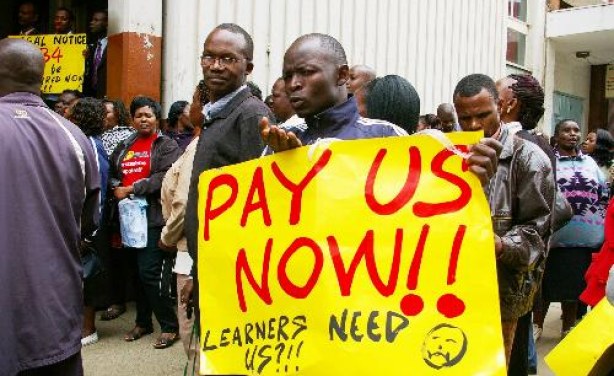
As the looming teachers’ strike in Kenya threatens to disrupt the education system, it is crucial for the government and teachers’ unions to find a lasting solution that balances the rights and needs of both teachers and students. The impending strike is a complex issue that requires a comprehensive approach to ensure the education sector remains stable and effective.
One of the primary steps towards resolving the situation is for the government to prioritize the implementation of the 2021-2025 Collective Bargaining Agreement (CBA) signed between the Teachers Service Commission (TSC) and the teachers’ unions. This includes allocating the necessary funds in the budget to cover the Sh 13.3 billion required for phase two of the CBA. Failure to do so could lead to a prolonged and disruptive strike.
In addition to implementing the CBA, the TSC and teachers’ unions must engage in open and constructive dialogue to address the specific issues raised by teachers. This includes finding a middle ground on salary demands that are within the government’s financial capabilities while still providing competitive salaries to attract and retain quality teachers. Compromise and understanding from both sides will be crucial in reaching a mutually acceptable agreement.
The government also has a responsibility to review and update labor laws to provide a clear framework for strikes. This includes establishing procedures for teachers to exhaust before resorting to strikes and defining the limits within which employees can make demands under the CBA. While acknowledging teachers’ right to strike, the government must also protect the constitutional right of children to free and compulsory education.
Furthermore, the government should institute rules and regulations to ensure teachers are not only present in school but also actively teaching. This includes addressing issues raised in the World Bank report on Service Delivery Indicators Kenya, which highlighted concerns about teacher competence and dedication. Improving teacher accountability will help ensure that students receive the quality education they deserve.
The unions have also demanded the TSC to convert all 46,000 teachers currently employed on contract to permanent and pensionable terms. They have also asked for the employment of 20,000 more teachers to plug the staffing gaps in junior schools.
Finally, the government must prioritize education funding and avoid tampering with allocations for teachers’ salaries and allowances. Reducing funding for the education sector could invite chaos in schools and undermine the country’s development. Education should be a top priority for the government, as it is the foundation for a prosperous future.
In conclusion, resolving the looming teachers’ strike in Kenya requires a multifaceted approach that involves implementing the CBA, engaging in constructive dialogue, establishing clear strike guidelines, improving teacher accountability, converting contract teachers to permanent terms, and prioritizing education funding. By working together towards a lasting solution, the government and teachers’ unions can ensure that Kenya’s education system continues to serve the best interests of both teachers and students.
James Kilonzo Bwire is a Media and communication student at Masinde Muliro University of Science and Technology kakamega.
Similar Posts by The Mt Kenya Times:
- Mt Kenya Times ePAPER October 14, 2026
- Kalonzo takes Kenya’s economic case to London
- Court refuses to halt ruling on KSh204B Safaricom share sale
- Kenya’s budget watchdog flags record KSh209B in unplanned government spending
- Opposition cracks widen as Nyoro and Methu trade Ruto bribery claims
About the Author