Parliamentary Committee Takes IPOA To Task Over Police Oversight Role
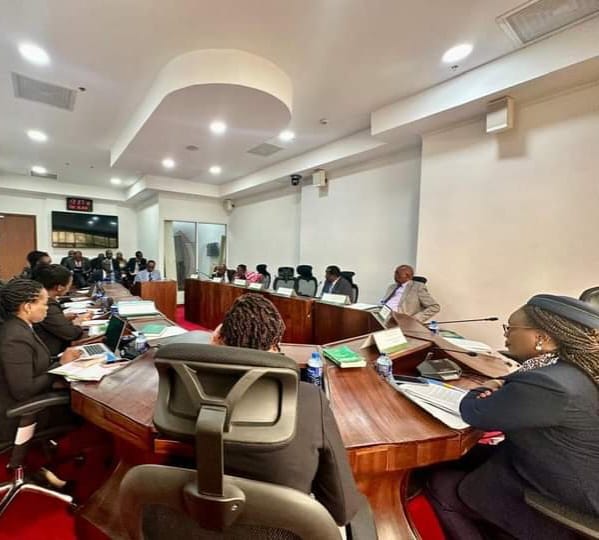
Githunguri MP Gathoni Wamuchomba chairing the committee meeting

By MKT Reporters
Top officials of the Independent Policing Oversight Authority (IPOA) found themselves on the defensive when they appeared before the Constitutional Implementation Oversight Committee (CIOC) to respond to critical questions regarding the authority’s role in overseeing the National Police Service.
The session revealed deep concerns among legislators on the state of policing in Kenya, with IPOA’s efficacy in protecting public rights coming under intense scrutiny.
The committee, chaired by Githunguri MP Gathoni Wamuchomba, expressed alarm over several issues, including the infiltration of the police payroll by unscrupulous companies, the challenges in harmonizing the Administration Police with the Kenya Police Service, and the increasing reports of public attacks on police officers.
However, the most pressing concerns were related to the authority’s accountability for the extreme use of force during peaceful protests, the raiding of homes by hooded officers, and the abduction of citizens.
“We have 61 deaths recorded from the Gen Z protests,” Wamuchomba highlighted during the session.
“You haven’t been able to arrest or convict those responsible for the abductions, deaths, and violations of human rights. What has IPOA done?”
IPOA’s response that they have only nine regional offices and numerous cases to investigate was met with scepticism from the legislators.
The committee also took issue with IPOA’s communication strategy, particularly during the Gen Z protests and the abduction of various individuals.
Members were especially troubled by reports of hooded police officers raiding homes, an action deemed illegal.
IPOA defended itself, stating that such cases often fall under the ‘Multi-Agency approach,’ which obscures the identities of the officers involved, making it difficult to take action.
IPOA’s CEO admitted that these operations were not legal and expressed hope that the police service would abide by a High Court ruling that seeks to end such practices.
Further concerns were raised by Wamuchomba regarding the integrity of the police payroll, which has reportedly been infiltrated by two companies, leaving 6,860 officers in debt due to exploitation by entities posing as micro-financiers. IPOA, however, distanced itself from the issue, stating that payroll matters fall under the mandate of the National Police Service Commission (NPSC).
IPOA did make one notable recommendation during the session, advocating for the establishment of an independent forensics lab to prevent the tampering of evidence or biased results.
Dr. Ogon from IPOA mentioned that this recommendation had received support from the the National Taskforce on Police Reforms led by former Chief Justice David Maraga and emphasized that the lab would operate independently from IPOA to maintain credibility.
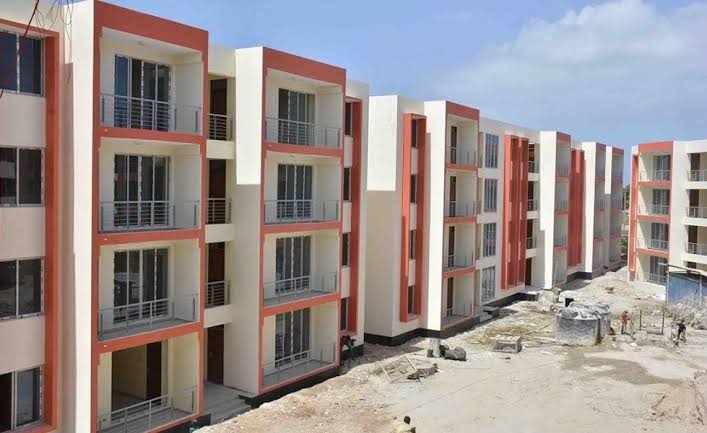
The session also touched on the poor state of housing for police officers, with members describing their living conditions as “pathetic” and in urgent need of improvement.
Despite IPOA’s explanations and recommendations, the Committee expressed dissatisfaction with the authority’s perceived lack of accountability and proactivity in addressing the issues facing the Kenyan public.
Wamuchomba’s final question encapsulated the frustrations of many present: “Is IPOA toothless, powerless? Are you not able to solve this?”
As the session concluded, the committee noted that the National Assembly expects IPOA to step up its efforts in holding the police accountable and ensuring the protection of Kenyan citizens.
Similar Posts by The Mt Kenya Times:
- A Woman at the Helm of the United Nations: Weighing the Call by President Nandi-Ndaitwah
- Dr Esther Muchemi honoured among Africa’s top 100 leaders
- Mt Kenya Times ePAPER September 26-27, 2026
- The oath the court would not hear: An elder’s 40-year fight for land and justice
- Court upholds Affordable Housing Act
About the Author