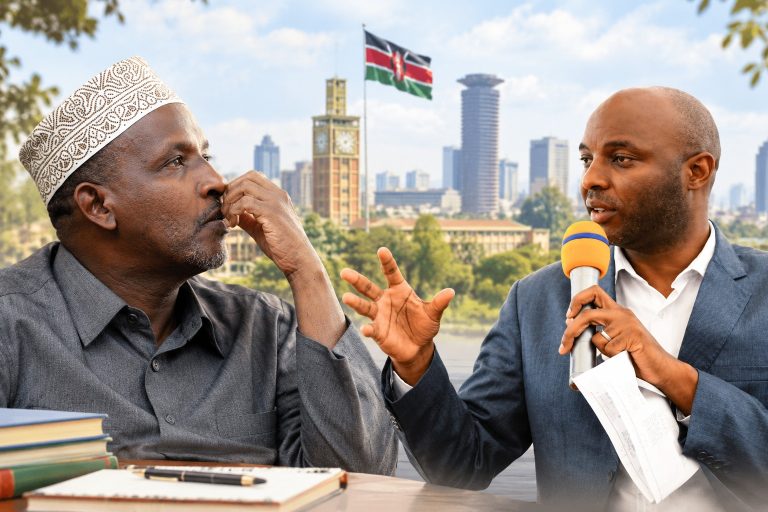
Wiper Leader Kalonzo Musyoka issues his address to the media at the Ufungamano House

By: James Kilonzo Bwire
Worth Noting:
- There are ongoing efforts within Azimio to position Musyoka and Siaya Governor James Orengo as the coalition’s new leaders. The strategy involves having Musyoka run against President Ruto in the upcoming elections, while Orengo takes over as the acting leader of the Orange Democratic Movement (ODM).
- This dual leadership approach aims to consolidate power within the opposition and present a united front against the ruling party. Musyoka’s history of running for president three times adds weight to his candidacy, and he is under significant pressure from his Ukambani constituency to make another bid for the presidency.
- The chemistry between Musyoka and his DAP-Kenya counterpart Eugene Wamalwa has been evident as they travel together, criticizing Ruto’s administration and threatening mass protests in response to controversial government actions.
Wiper leader Kalonzo Musyoka’s ascension as the official opposition leader of the Azimio coalition represents a pivotal moment in Kenya’s political landscape. With Raila Odinga stepping back to pursue the African Union Commission chairmanship, Musyoka is not only stepping into a leadership role but also taking on the mantle of responsibility to unify the opposition and advocate for the rights of Kenyans. This transition comes at a critical juncture, as Musyoka prepares to challenge President William Ruto in the 2027 elections. The expectations are high, and the pressure is mounting for Musyoka to leverage his extensive political experience and networks to solidify his leadership and rally support across the nation.
However, the path ahead is fraught with challenges. Maintaining cohesion within the Azimio coalition will require deft navigation of internal dynamics and the potential for defections to the ruling party. Musyoka must articulate a clear vision for the opposition that resonates with the electorate, ensuring that Azimio remains a formidable force in Kenyan politics. His leadership will be crucial in shaping the future of the opposition, particularly in addressing pressing issues such as governance, social equity, and the economic challenges facing the country.
There are ongoing efforts within Azimio to position Musyoka and Siaya Governor James Orengo as the coalition’s new leaders. The strategy involves having Musyoka run against President Ruto in the upcoming elections, while Orengo takes over as the acting leader of the Orange Democratic Movement (ODM). This dual leadership approach aims to consolidate power within the opposition and present a united front against the ruling party. Musyoka’s history of running for president three times adds weight to his candidacy, and he is under significant pressure from his Ukambani constituency to make another bid for the presidency.
The chemistry between Musyoka and his DAP-Kenya counterpart Eugene Wamalwa has been evident as they travel together, criticizing Ruto’s administration and threatening mass protests in response to controversial government actions. Musyoka’s political base in Ukambani, which comprises about 1.5 million voters, positions him as a strong contender to succeed Odinga as the opposition’s leader. His declaration to challenge Ruto in 2027 is a clear indication of his ambitions and the support he has garnered from his allies.
Calls for Raila Odinga to endorse Musyoka as Azimio’s 2027 presidential candidate have been growing. Former Kitui Governor Charity Ngilu has been vocal in her support, arguing that it is time for Odinga to reciprocate Musyoka’s loyalty over the years. However, Odinga’s decision to focus on regional politics raises questions about his involvement in local elections and the future of the coalition. As President Ruto prepares to unveil Odinga as Kenya’s candidate for the AUC chairmanship, the dynamics within Azimio will continue to evolve.
Musyoka has assured supporters that there will be no leadership vacuum in Odinga’s absence. He emphasized Azimio’s unity and commitment to defending the rights of Kenyans, even as he prepares to take on a more prominent role. His recent public appearances, including a visit to Kenyatta Market in Nairobi, have been aimed at reassuring constituents of his leadership capabilities and the coalition’s resilience.
In addition to political maneuvering, Musyoka is focused on strengthening the Wiper party by recruiting new members and expanding its presence nationwide. He has signaled his intention to oppose the Housing Levy Bill and other controversial issues that arise in Parliament, demonstrating his commitment to holding the government accountable. Musyoka’s insistence on addressing electoral reforms, such as increasing the number of commissioners in the Independent Electoral and Boundaries Commission (IEBC), reflects his dedication to ensuring fair and transparent elections in the future.
The rejection of Raila Odinga’s proposed plan to join President Ruto’s government has further solidified Musyoka’s position as a staunch opposition leader. He has characterized the move as a betrayal of the protesters who demanded good governance and accountability. By refusing to support the proposed broad-based government, Musyoka has positioned himself as a defender of the people’s interests, particularly the youth who have been vocal in their opposition to the current administration.
Despite the mixed signals from ODM regarding their commitment to the opposition, Musyoka’s efforts to keep Azimio intact are commendable. His recent visit to Narc Kenya leader Martha Karua’s home was a strategic move to consolidate the opposition and mend fences with key allies. Maintaining unity within the coalition is essential, especially as factions begin to emerge in response to Odinga’s potential departure from local politics.
Behind the scenes, Musyoka is quietly preparing for the 2027 elections by assembling a campaign team and establishing a command center at the SKM Centre. His recruitment of technocrats from previous Azimio campaigns indicates a strategic approach to rebranding himself and positioning for leadership. This groundwork is crucial as he seeks to solidify his support base and present a compelling alternative to the ruling party.
As Musyoka navigates the complexities of opposition leadership, he must remain vigilant against the potential fragmentation of Azimio. The emergence of various factions within the coalition poses a significant threat to its unity and effectiveness. Political analysts have suggested that without Odinga, Azimio may struggle to maintain its relevance and cohesion, underscoring the importance of strong leadership during this transitional period.
In conclusion, Kalonzo Musyoka’s rise as Azimio’s new opposition leader comes with immense responsibility and opportunity. His ability to unify the coalition, articulate a clear vision, and effectively challenge the ruling party will determine not only his political future but also the direction of Kenya’s opposition. As the 2027 elections approach, the stakes are high, and Musyoka’s leadership will be pivotal in shaping the political landscape of the nation. The coming months will be crucial as he seeks to solidify his position and rally support for his presidential bid, all while navigating the complexities of a rapidly evolving political environment.
James Kilonzo Bwire is a Media and Communication Practitioner.
Similar Posts by The Mt Kenya Times:
- Dr. Ekrah Ndung’u wins TVET advocacy award after 12 years
- Mt Kenya Times ePAPER October 17-18, 2026
- Ruto bets billions on Kerio Valley — with one eye on 2027
- Ruto’s health ministry kills Murang’a’s digital hospitals
- Kenya bets on Mount Kenya to drive a billion-shilling tourism revival
About the Author