Navigating The Legacy Of Colonialism And Embracing Indigenous Heritage
 The Mt Kenya Times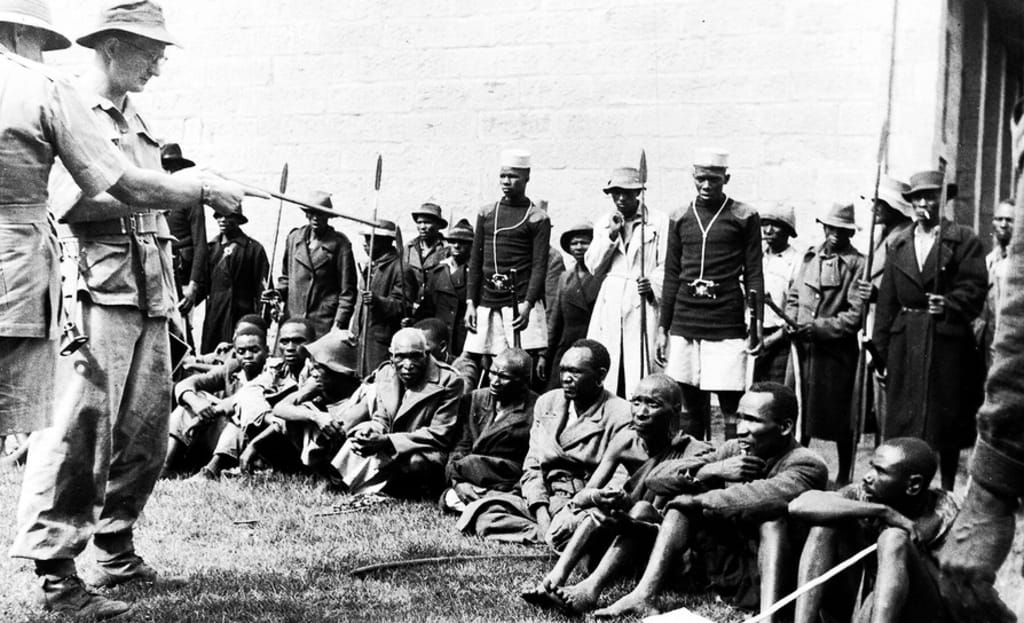
Colonialism And Embracing Indigenous Heritage
By: Midmark Onsongo
Worth Noting:
- During one of our late-night study sessions, my fiancée Conso and I found ourselves deep in discussion about precolonial religious practices in Kenya. I argued passionately that the Kikuyu, among other Kenyan communities, worshipped under the Mugumo tree, emphasizing the significance of such practices in maintaining their spiritual connection and cultural heritage.
- I contended that these practices were not merely relics of the past but living traditions that held immense value in understanding the historical and cultural identity of the Kenyan people.
- Consolata, however, was taken aback by my assertions and responded with visible frustration. Her reaction was a mixture of exasperation and a demand for clarity. She questioned, “So what’s your suggestion?
Lord Macaulay’s 1835 address to the British Parliament serves as a chilling reflection of colonial attitudes towards the African continent. Macaulay’s declaration reveals a deep-seated belief in the superiority of British values and culture, coupled with a disdain for the rich spiritual and cultural heritage of African societies. He argued that the only way to ensure the dominance of the British Empire over Africa was to undermine its ancient systems of education and cultural practices. According to Macaulay, if Africans began to value foreign, particularly English, ideas and institutions above their own, they would lose their self-esteem and cultural identity, thus becoming easier to control and dominate. This view epitomizes the colonial mindset that sought to replace indigenous cultures with European norms, not only to exploit resources but also to reshape the very essence of African societies.
Religion played a significant role in this cultural erosion. In precolonial Kenya, various communities had rich spiritual practices deeply intertwined with their daily lives. For instance, the Kikuyu people worshipped under the Mugumo tree, a sacred symbol of their connection to their ancestors and the divine. This tree was not merely a natural object but a central component of their religious rites and societal structure. The Kikuyu believed that the Mugumo tree was a place where they could communicate with Ngai, their creator god, and seek guidance or blessings. Such practices were integral to their identity, providing a sense of community and continuity through generations.
During one of our late-night study sessions, my fiancée Conso and I found ourselves deep in discussion about precolonial religious practices in Kenya. I argued passionately that the Kikuyu, among other Kenyan communities, worshipped under the Mugumo tree, emphasizing the significance of such practices in maintaining their spiritual connection and cultural heritage. I contended that these practices were not merely relics of the past but living traditions that held immense value in understanding the historical and cultural identity of the Kenyan people.
Consolata, however, was taken aback by my assertions and responded with visible frustration. Her reaction was a mixture of exasperation and a demand for clarity. She questioned, “So what’s your suggestion? Understanding our heritage requires a balanced view. We must honor our ancestors’ traditions while also embracing change. It’s about integrating history with progress, not rejecting either.”Her response reflected a deep-seated concern about my stance on the role of religion in our discussions. The argument about precolonial religious practices had evidently touched a nerve, highlighting a tension between traditional beliefs and contemporary viewpoints.
Realizing that our discussion was escalating into a more heated exchange, I took a step back to dilute the conversation and address her concerns more thoughtfully. I reassured her that my intention was not to undermine the value of religion but to explore and appreciate the rich tapestry of our cultural heritage. I acknowledged the importance of these traditions in shaping our understanding of history and identity while also recognizing the need for respectful dialogue about how these practices fit into modern contexts.
By steering the conversation towards a more collaborative exploration, I aimed to bridge the gap between our differing perspectives. I emphasized that the discussion was not about rejecting or diminishing religious practices but about understanding their historical significance and their place in our contemporary lives. This approach helped to calm the situation and allowed us to engage in a more constructive dialogue, appreciating the depth of our cultural heritage while navigating the complexities of modern beliefs and practices.
The episode with Consolata underscores the broader issue highlighted by Macaulay’s address. The attempt to replace indigenous cultures and religions with foreign values and systems not only disregards the rich heritage of African societies but also disrupts the spiritual and cultural continuity that has shaped their identity for centuries. The conversation with Consolata, while challenging, also serves as a reminder of the need to engage in respectful and informed discussions about our cultural and spiritual heritage.
In reflecting on Macaulay’s perspective and its implications, it becomes clear that the preservation of cultural and spiritual practices is crucial in maintaining the identity and autonomy of any society. The impact of colonialism on African cultures has been profound, leading to the erosion of traditional practices and the imposition of foreign values. However, the resilience of these cultures and the ongoing efforts to reclaim and celebrate them are a testament to the enduring strength of indigenous identities.
Ultimately, the struggle to balance respect for traditional practices with the demands of modernity is a complex but essential endeavor. It involves recognizing the value of historical practices while also embracing the need for adaptation and growth. Through thoughtful dialogue and mutual understanding, we can navigate these complexities and ensure that our cultural and spiritual heritage continues to enrich our lives and shape our collective identity.
The richness of precolonial practices, like those of the Kikuyu worshipping under the Mugumo tree, exemplifies the deep connection between cultural heritage and spiritual beliefs. These practices were not just about religion but were integral to the social fabric of the communities, influencing their worldview, ethics, and way of life. By appreciating and respecting these traditions, we honor the legacy of our ancestors and contribute to a more inclusive and informed understanding of our cultural heritage.
Macaulay’s address serves as a historical reminder of the colonial intent to undermine indigenous cultures and the importance of preserving and valuing our spiritual and cultural heritage. The discussion with Consolata highlights the need for respectful and open dialogue about these issues, ensuring that we recognize and celebrate the richness of our traditions while navigating the complexities of the modern world. By doing so, we honor our past and build a more inclusive and respectful future.
This article was scripted by;
MIDMARK ONSONGO
(Sustainable economist, Geopolitics strategizer)
Similar Posts by The Mt Kenya Times:
- Ruto tells UN: Africa’s crisis is rigged rules, not empty coffers
- Njogu’s diaspora agenda gains fresh impetus as Kenya launches investment platform
- Eldoret to host 2026 UN Tourism Week: Can the North Rift redefine Kenya’s tourism story?
- After Madrid chaos derby: Mourinho pulls out the printer
- Smart classroom revolution hits Nyeri schools
About the Author