The Manipulation Of Kenya’s Administrative Boundaries Through Gerrymandering, Partisan Favoritism, Economic Bias, And Political Patronage Undermines Equitable Representation And Development
 The Mt Kenya Times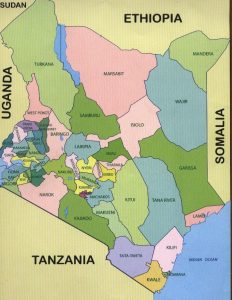
By: Midmark Onsongo
Worth Noting:
- While counties like Tharaka Nithi are underrepresented, larger and more economically powerful counties like Nairobi and Kiambu enjoy substantial political leverage due to their numerous constituencies. Nairobi County, the nation’s capital and a hub of economic activity, is divided into 17 constituencies, including Westlands, Embakasi East, and Lang’ata.
- Political patronage, where resources and representation are distributed based on political loyalty rather than need, is another critical factor influencing Kenya’s administrative boundaries. This practice often results in the creation of constituencies that favor regions and communities aligned with the ruling party or influential political figures.
- The manipulation of boundaries and the resulting disparities in representation have significant economic consequences.
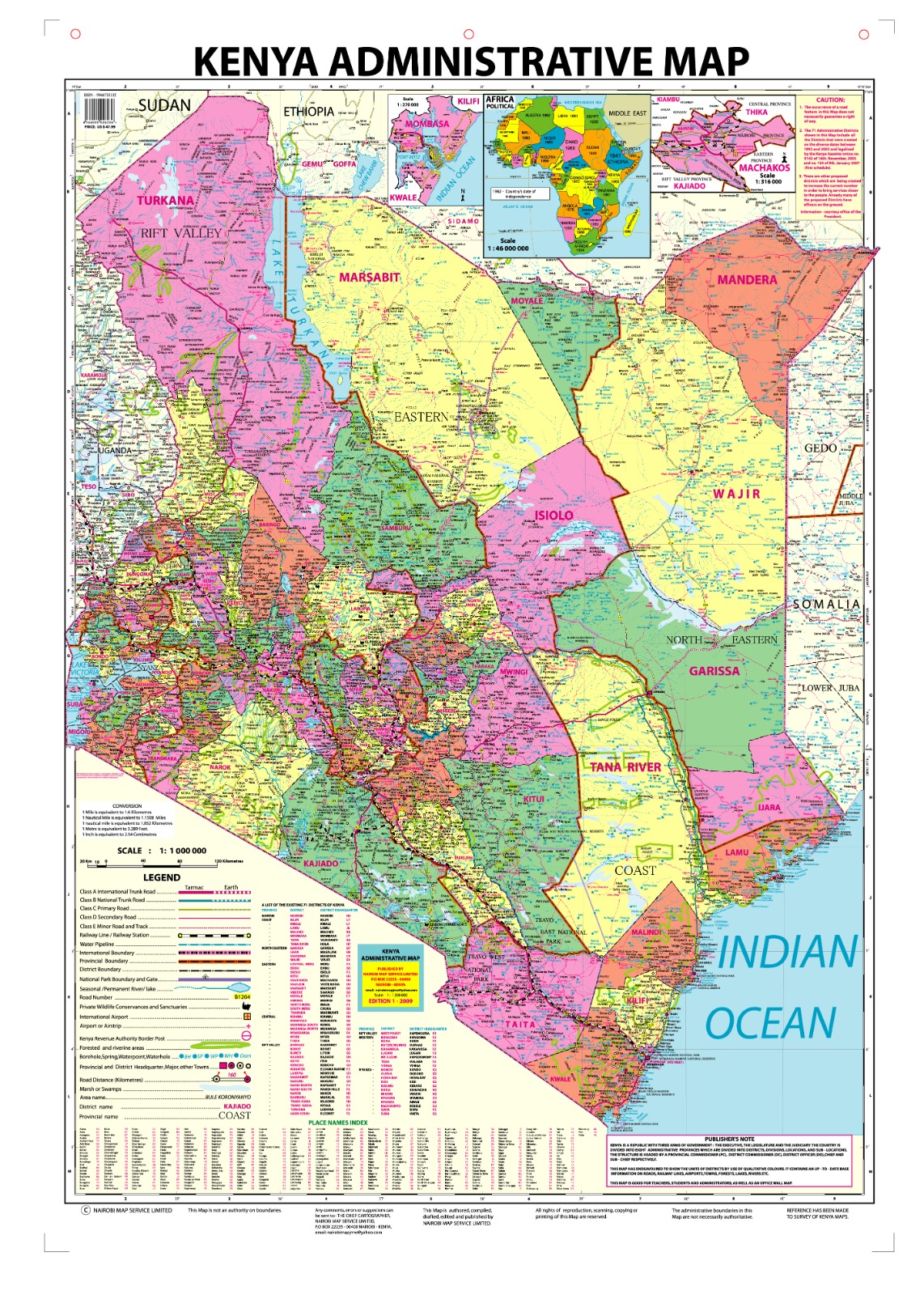 In the sophisticated, subtle, nuanced, refined, intricate, complex and often opaque world of Kenyan politics, the manipulation of administrative boundaries, most notably through gerrymandering, has become a significant tool for securing political power and economic advantage. This practice, along with other systemic issues such as partisan favoritism, economic bias, and political patronage, has led to a skewed distribution of resources and political representation. These manipulations have fostered a political environment where certain regions are disproportionately favored while others are systematically marginalized. Despite the progressive intentions of the Kenyan constitution to ensure equitable representation and regional development, these issues have perpetuated inequalities and hindered balanced national growth.
Gerrymandering and Its Manifestation in Kenya
Gerrymandering, the deliberate manipulation of electoral boundaries to benefit specific political interests, has played a pivotal role in shaping Kenya’s electoral landscape. The redrawing of county and constituency boundaries is often influenced more by the desire to secure electoral victories and entrench political power than by the need for fair representation or balanced development. This manipulation has led to the creation of counties and constituencies that favor certain political elites and regions, while others are left underrepresented and under-resourced.
One of the clearest examples of this manipulation is the division of Tharaka Nithi County. Despite its small geographic size and population, Tharaka Nithi has been allocated fewer constituencies than it arguably deserves, considering its socio-economic challenges and the need for more localized representation. The county is divided into only three constituencies: Tharaka, Chuka/Igambang’ombe, and Maara. This limited representation in the national legislature does not adequately reflect the county’s needs, resulting in insufficient political influence and a lack of resources for development. The imbalance in representation highlights a broader issue of underrepresentation and economic marginalization that affects many small counties across Kenya.
Partisan Favoritism and Economic Bias in Boundary Allocation
While counties like Tharaka Nithi are underrepresented, larger and more economically powerful counties like Nairobi and Kiambu enjoy substantial political leverage due to their numerous constituencies. Nairobi County, the nation’s capital and a hub of economic activity, is divided into 17 constituencies, including Westlands, Embakasi East, and Lang’ata. This extensive representation not only reflects Nairobi’s large population but also its strategic importance as the political and economic heart of the country. Similarly, Kiambu County, which is closely linked to Nairobi and benefits from its economic spillover, has 12 constituencies, including Kiambu Town, Ruiru, and Thika Town. The high number of constituencies in these counties translates to greater political influence and access to national resources, further entrenching their economic advantages.
In contrast, economically marginalized counties such as Bomet, Taita Taveta, and Samburu are divided into far fewer constituencies, despite their significant populations and the vast areas they cover. For instance, Bomet County, which plays a crucial role in Kenya’s agricultural sector, is divided into only five constituencies: Bomet Central, Sotik, Chepalungu, Bomet East, and Konoin. Similarly, Taita Taveta County, known for its tourism and mining potential, is represented by only four constituencies: Taveta, Wundanyi, Mwatate, and Voi. The limited number of constituencies in these counties results in a diminished political voice and less access to national resources, exacerbating their socio-economic challenges.
This pattern of favoritism is also evident in counties like Uasin Gishu and Nakuru, which are key agricultural and economic regions. Uasin Gishu, home to Eldoret, one of Kenya’s fastest-growing towns, has six constituencies, including Turbo and Ainabkoi. Nakuru County, another economic powerhouse, is divided into 11 constituencies, such as Nakuru Town East, Nakuru Town West, and Naivasha. The allocation of more constituencies in these economically vital regions reflects the influence of economic factors in boundary delineation, ensuring that these counties receive a larger share of national resources and development projects.
Political Patronage and Its Impact on Representation
Political patronage, where resources and representation are distributed based on political loyalty rather than need, is another critical factor influencing Kenya’s administrative boundaries. This practice often results in the creation of constituencies that favor regions and communities aligned with the ruling party or influential political figures. As a result, regions perceived as opposition strongholds or lacking significant political connections are frequently marginalized in the allocation of constituencies and resources.
Counties such as Garissa, Wajir, and Mandera in the northeastern region of Kenya exemplify this marginalization. Despite their vast geographical areas and unique socio-economic challenges, these counties are divided into a relatively small number of constituencies. Garissa County, for instance, is divided into six constituencies, including Garissa Township and Dadaab. Wajir County, which covers a large area with a sparse population, has six constituencies, such as Wajir East and Wajir North. Mandera County, another expansive region, is divided into six constituencies, including Mandera West and Mandera South. The limited representation of these counties in the national legislature often results in inadequate attention to their developmental needs and a lack of resources for essential services, perpetuating their marginalization.
Conversely, counties that are politically aligned with the central government or have influential political leaders often receive favorable treatment in boundary allocation. For example, Nyeri County, which has historically been aligned with the ruling party, is divided into six constituencies: Tetu, Kieni, Mathira, Othaya, Mukurweini, and Nyeri Town. Despite its smaller geographic size compared to counties like Garissa or Wajir, Nyeri enjoys a higher level of representation, which translates into greater political influence and access to resources.
Economic Consequences of Boundary Manipulation
The manipulation of boundaries and the resulting disparities in representation have significant economic consequences. Counties with more constituencies and greater political representation tend to receive a larger share of national resources, including funds for infrastructure, education, healthcare, and other essential services. This allocation often leads to better development outcomes in these favored counties, further entrenching their economic advantages and political influence.
For example, the high number of constituencies in Nairobi and Kiambu counties has facilitated substantial investments in infrastructure, such as roads, schools, and hospitals. These developments not only improve the quality of life for residents but also attract more investment and economic activity, creating a positive feedback loop that further strengthens the counties’ economic positions. In contrast, counties with fewer constituencies, such as Marsabit and Turkana, struggle to secure sufficient resources for development, leading to persistent poverty, inadequate infrastructure, and limited economic opportunities.
The unequal distribution of resources also affects social services, such as education and healthcare. Counties with more constituencies and better political representation are often able to secure more funding for schools, hospitals, and other public services. This results in higher standards of living and better access to essential services for residents of these counties. In contrast, residents of counties with fewer constituencies, such as Lamu and Isiolo, often face significant challenges in accessing quality education, healthcare, and other services, contributing to a cycle of poverty and underdevelopment.
The Need for Reform in Boundary Allocation
The issues of gerrymandering, partisan favoritism, economic bias, and political patronage in Kenya’s boundary allocation process highlight the need for comprehensive reform. A more equitable approach to boundary delineation is essential to ensure that all regions and communities receive fair representation and access to resources, regardless of their political or economic influence.
Reforming the boundary allocation process would require a transparent and independent mechanism for drawing and reviewing electoral boundaries. This mechanism should prioritize proportional representation based on population size, geographic area, and socio-economic needs, rather than political considerations. Additionally, there should be regular reviews of constituency boundaries to ensure that they reflect changes in population and development patterns, preventing the entrenchment of existing inequalities.
Moreover, addressing the underlying issues of political patronage and economic bias would require broader political and institutional reforms. Strengthening the independence of key institutions, such as the Independent Electoral and Boundaries Commission (IEBC), and ensuring that decisions on boundary allocation are free from political interference would be crucial steps towards achieving more equitable representation. Additionally, promoting greater accountability and transparency in the allocation of national resources would help to address the disparities in development and ensure that all regions receive their fair share of funding and investment.
The manipulation of administrative boundaries and the allocation of constituencies in Kenya reflect deep-seated issues of gerrymandering, partisan favoritism, economic bias, and political patronage. These practices have contributed to significant imbalances in political representation and economic development, with certain regions and communities being disproportionately favored while others are systematically marginalized. Addressing these challenges requires a concerted effort to reform the boundary allocation process and ensure that all regions and communities are fairly represented and supported in their pursuit of development and prosperity.
Ultimately, achieving more equitable representation and development in Kenya will require a commitment to fairness, transparency, and accountability in the political and electoral processes. By addressing the issues of gerrymandering and other systemic shortcomings, Kenya can move towards a more inclusive and balanced political landscape, where all citizens have an equal voice and access to the resources and opportunities they need to thrive.
This article was scripted by;
MIDMARK ONSONGO
(Sustainable economist, Geopolitics strategizer)
Similar Posts by The Mt Kenya Times:
- Diaspora Times Global Oct 24 – Oct 30, 2026
- America’s baby bust: U.S. birth rate hits record low as women choose later motherhood
- Literary Outreach Incubation Program Instills The Culture From Book Adaption To Spoken Words
- Why starting school too early is failing our children
- Who defines Africa’s destiny? The western lens, African compliance and the struggle for intellectual sovereignty
About the Author