Leaders Advocate For Open Source And Responsible AI In The Public And Private Sectors
 The Mt Kenya Times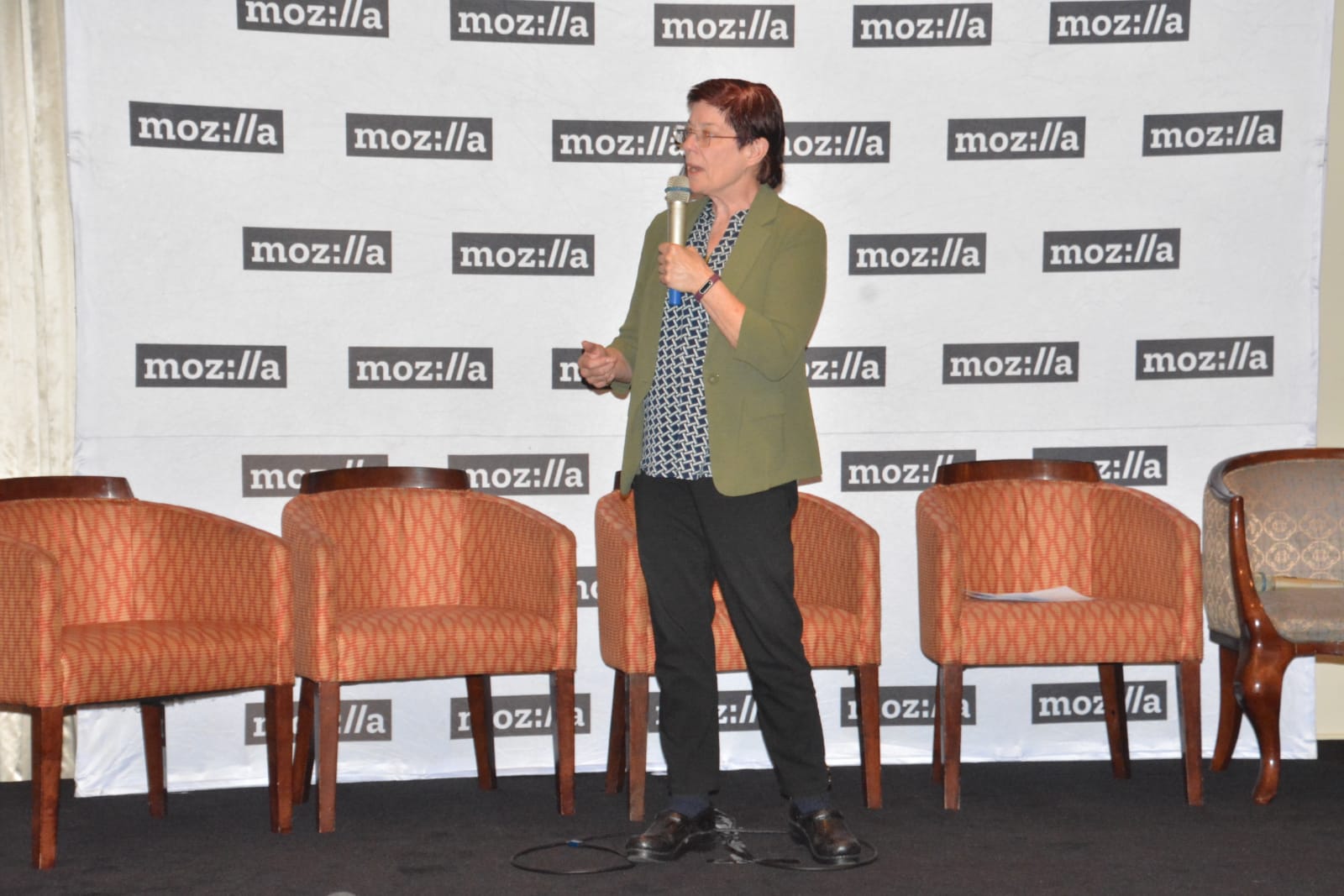
Mitchell Baker, chair of the Mozilla Foundation, delivering a keynote address that focused on the global implications of responsible AI.
By: Cynthia Masibo
A high-level breakfast forum focusing on open-source technology and responsible artificial intelligence (AI) for the public and private sectors was recently held in Nairobi, drawing participation from key figures in both government and technology.
The event, which brought together policy makers, business leaders, and tech experts, revolved around the role of open-source tools and responsible AI practices in fostering innovation, transparency, and ethical standards across various sectors. As AI continues to grow in importance globally, the need for robust, ethical frameworks and the use of open-source platforms has become a critical talking point, especially in emerging economies like Kenya.
Among the notable attendees were Gladys Boss Shollei, Deputy Speaker of the National Assembly of Kenya, and Mitchell Baker, Chairperson of the Mozilla Foundation.
Shollei, speaking at the event, emphasized the potential of open-source technology and AI in transforming public sector operations. She noted that such tools could streamline government processes, reduce bureaucracy, and improve service delivery, all while ensuring greater transparency and accountability.
“The public sector has much to gain from embracing open-source solutions, especially as we strive to deliver more effective services to the Kenyan people,” she said.
Her remarks highlighted the importance of leveraging technology to modernize Kenya’s governance systems, particularly in critical sectors such as healthcare, education, and infrastructure. Shollei also pointed out the role open-source software could play in improving public access to information, thus enabling citizens to more actively engage with government initiatives.
“By adopting open-source platforms, we not only reduce costs but also promote transparency and inclusivity in our governance systems. Citizens can monitor projects, track development goals, and hold leaders accountable,” she added.
Mitchell Baker, chair of the Mozilla Foundation, delivered a keynote address that focused on the global implications of responsible AI and the importance of an open and collaborative approach to AI development. She stressed that while AI has enormous potential to improve lives, it also poses significant risks if not developed with ethical guidelines.
Baker underscored Mozilla’s long-standing commitment to promoting an internet that is open, accessible, and beneficial for everyone, and said that the same principles should guide AI development. “We need to ensure that AI is built in a way that respects user privacy, promotes fairness, and avoids entrenching inequalities. This can only happen when there is transparency in how AI systems are developed and deployed,” she said.
She also spoke about Mozilla’s role in supporting open-source projects and fostering a global community of developers who prioritize public interest in their work. According to Baker, open-source tools allow governments and businesses to build AI systems that are adaptable and accountable. By encouraging collaboration between different stakeholders, these systems can be designed to meet the needs of all sectors of society, not just a privileged few.
The event concluded with a panel discussion on how both the public and private sectors can collaborate to implement open-source technology and AI in their operations.
The speakers agreed that a coordinated effort between governments, businesses, and civil society is essential for ensuring that AI is developed responsibly and in a manner that benefits all citizens.
As Kenya continues its journey toward digitization, the emphasis on ethical AI and open-source platforms will likely grow. Events such as this serve as crucial forums for dialogue, ensuring that key players across sectors remain aligned in their goals. With leaders like Shollei advocating for greater transparency and efficiency in governance, and visionaries like Baker pushing for responsible AI, Kenya is well-positioned to leverage technology for sustainable development.
The breakfast event reaffirmed the belief that with the right policies, Africa could become a leader in ethical AI and open-source technology, driving innovation not just for the continent but for the world at large.
Similar Posts by The Mt Kenya Times:
- Mt Kenya Times ePAPER October 27, 2026
- Sifuna draws hope from Serbia and Brazil as Kenya’s 2027 race heats up
- Uhuru calls for unity as he marks 65th birthday
- Kenya establishes international crimes division: Justice delayed, but will it be delivered?
- World marathon champion Jepchirchir suspended in fresh blow to Kenya’s clean sport drive
About the Author