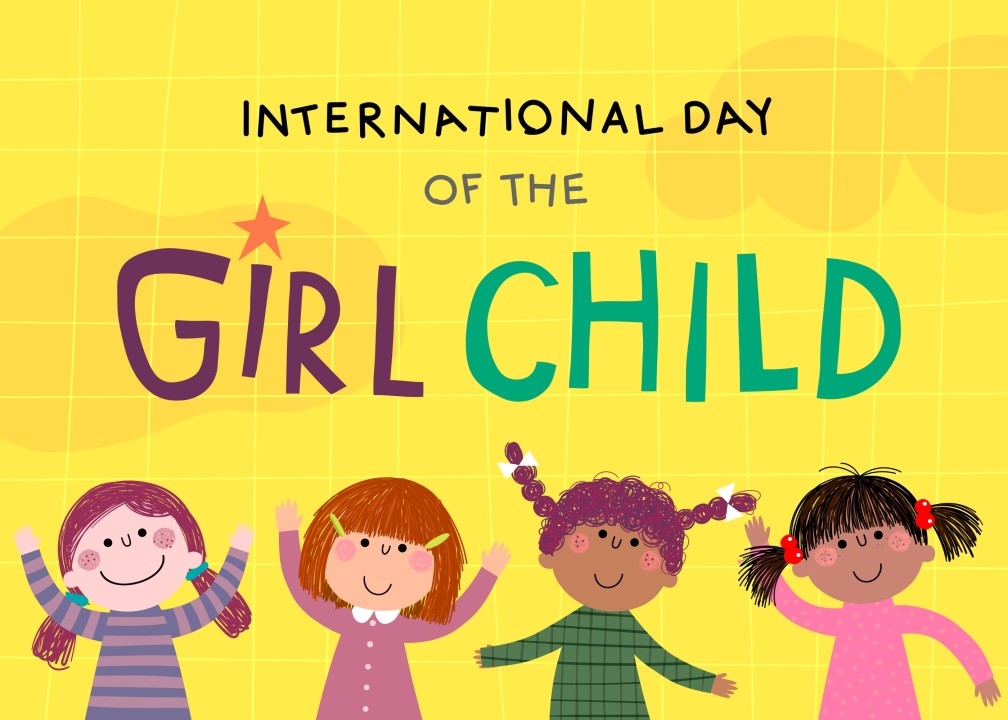

“Did you know that millions of girls around the globe are often denied their basic rights, including education and healthcare, being exposed to early marriages? A 2011 UNESCO report estimated that 30 million girls were out of junior secondary school, often due to early marriages, inadequate healthcare, and socio-economic barriers. This alarming reality underscores the urgent need for global action, which stimulated the United Nations to establish the International Day of the Girl Child.”
“On October 11, 2012, the United Nations established the International Day of the Girl Child, which is recognized and celebrated annually worldwide. The day is dedicated to amplifying awareness of the unique challenges faced by girls globally and advocating for gender equality, access to education, healthcare, and opportunities.For instance, a 2018 UNICEF report highlighted that the global rate of child marriage has declined by 15% from 2015 to 2020, translating to approximately 25 million fewer girls married before the age of 18. Additionally, the day addresses critical issues such as gender-based violence (GBV), with campaigns like the UNITE Campaign to End Violence Against Women leading to increased legal protection for girls in over 70 countries since 2012.Through these efforts, the International Day of the Girl Child has nurtured a global commitment to creating a safer and more equitable world for girls.”
Before the establishment of the International Day of the Girl Child, the Global Education Digest reported that 93% of girls were enrolled in primary education in developing countries. However, only 65% of these girls completed primary education, and completion rates for secondary school were even lower, highlighting significant barriers to girls’ education.In response to these challenges, the International Day of the Girl Child has inspired numerous initiatives aimed at promoting girls’ education. Efforts such as providing free scholarships, implementing targeted awareness campaigns, and enhancing community support for girls’ .
As a result, the 2020 UNESCO report revealed a significant improvement in educational outcomes: over 80% of girls are now completing primary school, reflecting the positive impact of these initiatives.Moreover, the focus on girls’ education has been complemented by broader global commitments, including the Sustainable Development Goals (SDGs), which aim to ensure inclusive and equitable quality education for all. These combined efforts are fostering an environment where girls can thrive academically and pursue their dreams without the constraints that previously held them back.
In 2006, a report by the International Centre for Research on Women revealed a staggering statistic: over 100 million girls worldwide were married before the age of 18. This early marriage phenomenon not only robs girls of their childhood but also significantly limits their opportunities for education, personal development, and economic independence.In response to this alarming trend, a range of campaigns has emerged globally, from international advocacy to grassroots initiatives. In Kisumu, Kenya, a remarkable organization called Health Economic Development strategy organization “HEDSO”has been among the organization on the lead .Hedso has organized numerous campaigns and events aimed at empowering the girl child and raising awareness about the detrimental impacts of early marriages.One of their recent initiatives, “Knit Her Future,” focuses specifically on empowering girls and providing them with the tools they need to resist early marriage. This program encompasses workshops, mentorship, and community engagement, all designed to build confidence and provide educational opportunities.
Efforts to improve access to healthcare services for girls, particularly in the areas of reproductive and menstrual health, have intensified in recent years. Historically, these critical issues were often overlooked, leaving millions of girls without the resources or education necessary to manage their According to UNICEF around 500million girls and women worldwide lack access to adequate facilities for managing their menstruation as they lack the sanitation and menstrual products.To address this gap, international organizations like Days for Girls International have been at the forefront, donating sanitary towels to girls from disadvantaged backgrounds and providing education on menstrual hygiene.
Grassroots organizations have also played a crucial role in breaking the silence and stigma surrounding menstruation. One such initiative is the Nyalenda Period Festival, held annually in Kisumu, Kenya. This campaign not only provides girls with menstrual products but also teaches menstrual hygiene, boosting their confidence and allowing them to stay in school during their periods. Importantly, the initiative also includes boys and men in the conversation, challenging the cultural taboos that have long surrounded menstruation.
The International Day of the Girl Child has had a profound impact on empowering girls to take up leadership roles in their communities. This initiative encourages girls to actively participate in decision-making processes, fostering a sense of agency and leadership from a young age. One of the key successes of this initiative has been the increased awareness of the issues faced by girls globally.This heightened awareness has sparked advocacy efforts from governments, international organizations, and community-based organizations. Campaigns such as” Girl Up “and” Let Girls” Learn have played significant roles in this movement, focusing on ensuring girls’ access to quality education, promoting gender equality, and encouraging girls to pursue leadership roles.
While progress has been made since the establishment of the International Day of the Girl Child in 2012, significant challenges still persist, reminding us that much work remains to be done. This day serves as a powerful reminder to stand with the girl child and to continue advocating for her rights, opportunities, and empowerment. When a girl succeeds, the whole world benefits—stronger communities are built, economies grow, and future generations thrive. It is our collective responsibility to ensure that every girl has the chance to realize her full potential and contribute to a more just and equitable world.
Edith Awino-Environmentalist ,SRHR Advocate
Similar Posts by The Mt Kenya Times:
- Mt Kenya Times ePAPER October 27, 2026
- Sifuna draws hope from Serbia and Brazil as Kenya’s 2027 race heats up
- Uhuru calls for unity as he marks 65th birthday
- Kenya establishes international crimes division: Justice delayed, but will it be delivered?
- World marathon champion Jepchirchir suspended in fresh blow to Kenya’s clean sport drive
About the Author