2024 Global Media And Information Literacy Week: Addressing Misinformation, Disinformation, And Malinformation

By: Perpetual John
Worth Noting:
- Misinformation refers to the spread of false or inaccurate information without the intent to deceive. It often occurs when people share information without verifying its accuracy, leading to the unintentional dissemination of falsehoods.
- Disinformation is the deliberate creation and spread of false information with the intent to deceive or manipulate public perception. This can include fake news, doctored images, or misleading content designed to influence opinions or sow confusion.
- For journalists and media practitioners, MIL Week provides an opportunity to deepen their understanding of ethical journalism and fact-checking techniques.
- Global MIL Week serves as an educational platform for the public, helping individuals recognize different forms of false information and equipping them with tools to critically assess the content they encounter.
As the world gears up for the 2024 Global Media and Information Literacy (MIL) Week, set to take place from October 24 to 31, it is a crucial time for media practitioners, educators, policymakers, and the public to reflect on the pressing challenges surrounding the flow of information. With misinformation, disinformation, and malinformation threatening the integrity of news and information, this year’s celebrations provide a vital platform for addressing these issues and fostering a more informed and resilient society.
Understanding Media and Information Literacy
Media and Information Literacy (MIL) empowers individuals to critically assess the sources and content of information they encounter. It encompasses the skills needed to navigate the digital landscape, distinguish between credible and false information, and understand the various intents behind content creation. In an age where information spreads rapidly across social media and digital platforms, MIL has become a crucial competency for both media practitioners and the general public.
The Challenge of Misinformation, Disinformation, and Malinformation
The terms misinformation, disinformation, and malinformation are often used interchangeably but represent distinct challenges:
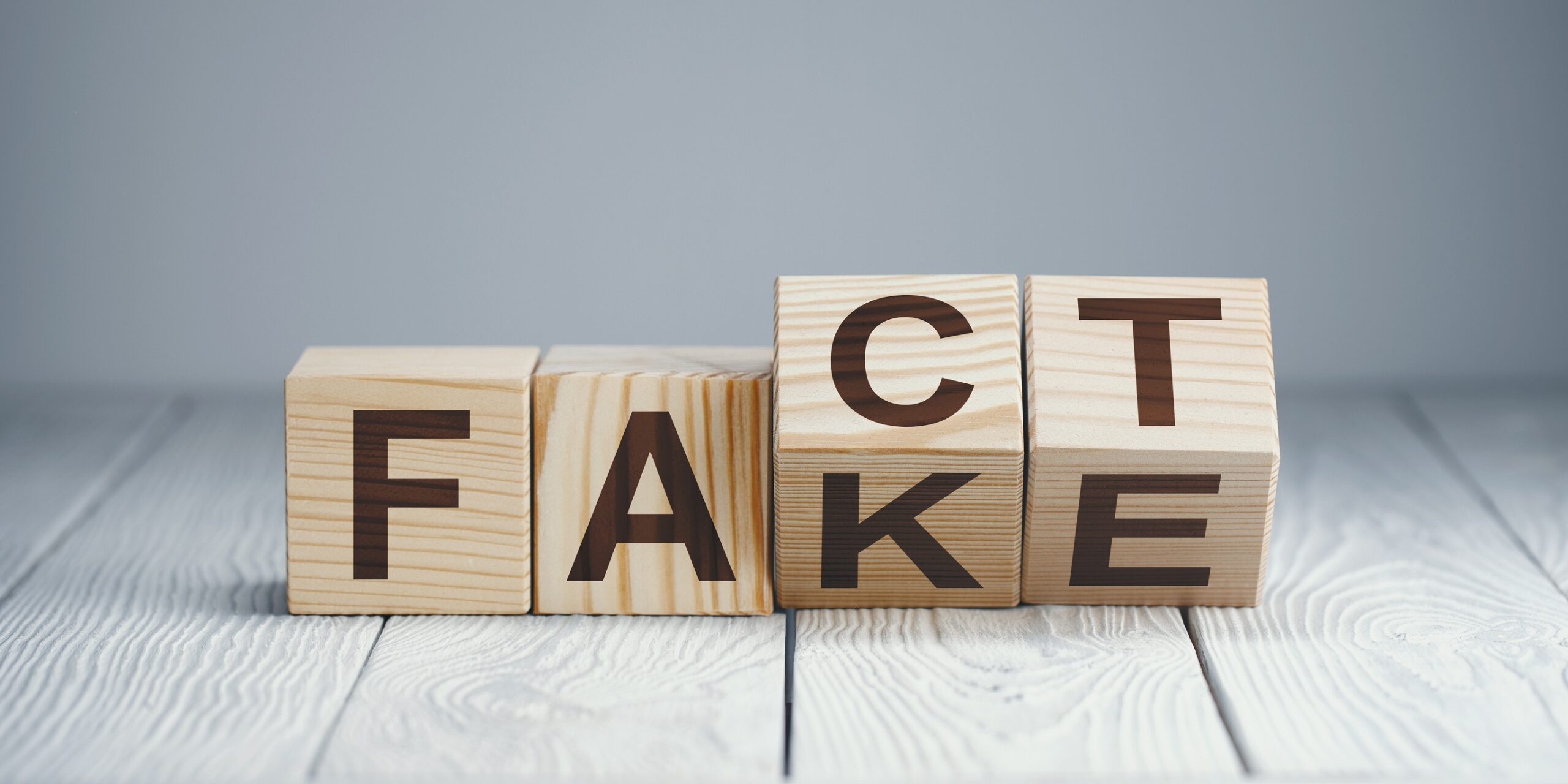
Misinformation refers to the spread of false or inaccurate information without the intent to deceive. It often occurs when people share information without verifying its accuracy, leading to the unintentional dissemination of falsehoods.
Disinformation is the deliberate creation and spread of false information with the intent to deceive or manipulate public perception. This can include fake news, doctored images, or misleading content designed to influence opinions or sow confusion.
Malinformation involves the sharing of information based on reality but used to inflict harm on a person, organization, or country. This might include leaked information that is true but shared with malicious intent to damage reputations or incite social unrest.
These challenges have grown more complex with the proliferation of digital media, where information can spread across the globe in seconds. The consequences can be severe, influencing public opinion, undermining democratic processes, and even inciting violence. As such, addressing these issues is essential for preserving the integrity of information ecosystems worldwide.
The Role of Global MIL Week 2024
This year’s Global MIL Week aims to raise awareness about the importance of media and information literacy as a tool to combat these growing challenges. It brings together stakeholders from diverse sectors—education, journalism, technology, civil society, and government—to discuss strategies for promoting MIL and equipping individuals with the skills necessary to navigate today’s complex information environment.
The celebrations will include a series of events, workshops, panel discussions, and online campaigns aimed at increasing awareness about the importance of MIL. Media practitioners and journalists are particularly encouraged to participate, as they play a critical role in shaping public understanding and combating the spread of false information. Here are several ways MIL Week can help:
Empowering Media Practitioners
For journalists and media practitioners, MIL Week provides an opportunity to deepen their understanding of ethical journalism and fact-checking techniques. Training sessions and workshops will focus on identifying misinformation and disinformation, using verification tools, and responsibly reporting news. By strengthening their skills in these areas, journalists can play a pivotal role in preventing the spread of false information and ensuring the accuracy of the stories they publish.
Furthermore, media practitioners can learn about the impact of malinformation and the ethical considerations involved in reporting sensitive information. Understanding the fine line between public interest and harm is crucial for responsible journalism, especially in an era where information can be weaponized.
Educating the Public
Global MIL Week serves as an educational platform for the public, helping individuals recognize different forms of false information and equipping them with tools to critically assess the content they encounter. Initiatives during the week will aim to demystify digital literacy, teach fact-checking skills, and encourage skepticism towards unverified sources. This can help reduce the spread of misinformation by promoting a culture of verification and critical thinking.
Public awareness campaigns can also shed light on the psychological factors that make people susceptible to misinformation, such as confirmation bias and emotional manipulation. By understanding these factors, individuals can become more discerning consumers of information.
Strengthening Collaboration Among Stakeholders
The fight against misinformation and disinformation requires a multi-faceted approach involving collaboration among media organizations, tech companies, educators, policymakers, and civil society. Global MIL Week provides a platform for dialogue, allowing these stakeholders to share best practices, discuss regulatory measures, and explore innovative solutions to curb the spread of false information.
Tech companies, for instance, can use the opportunity to showcase advancements in automated fact-checking, content moderation, and other digital tools that can help identify and counter misinformation. Governments can also discuss policies aimed at promoting MIL in education systems, ensuring that young people develop the skills needed to navigate information ecosystems from an early age.
The Global Impact of MIL Week
The significance of Global MIL Week extends beyond national borders. In a globally interconnected world, misinformation and disinformation can easily cross boundaries, affecting people in different countries simultaneously. By fostering a global movement towards MIL, the initiative seeks to build a network of informed citizens who can resist manipulation and advocate for credible information practices.
This year’s theme, “Promoting Media and Information Literacy in the Digital Era,” emphasizes the importance of equipping individuals with the skills to thrive in an increasingly digital world. From social media influencers to local community leaders, everyone has a role to play in promoting MIL and ensuring that information serves to enlighten rather than deceive.
Looking Forward
As we approach Global Media and Information Literacy Week 2024, the celebrations present a timely reminder of the challenges posed by misinformation, disinformation, and malinformation. The week’s activities aim to equip individuals with the skills needed to critically engage with information, fostering a society that values truth and transparency.
For media practitioners, the event provides an opportunity to reaffirm their commitment to ethical journalism, while for the general public, it offers the tools to navigate the information landscape responsibly. By addressing these issues collectively, Global MIL Week hopes to contribute to a world where information empowers, educates, and unites rather than divides.
As the world comes together for this significant week, let’s embrace the power of media and information literacy to create a more informed and resilient global community.
Perpetual John
Rongo University Student
Similar Posts by The Mt Kenya Times:
- Beyond the rubble: Nairobi’s building collapses are a failure of systemic oversight
- Political alliances intensify ahead of Kenya’s 2027 elections
- The pressure to make it before thirty
- A rich man without generosity is just a poor man with money
- The two-minute switch: How electric boda bodas are reshaping Kenya’s streets
About the Author